How to Choose the Right Electro Permanent Magnetic Lifter?
Choosing the right Electro Permanent Magnetic Lifter can significantly impact operational efficiency in various industries. According to a recent report by Global Market Insights, the global market for magnetic lifting devices is expected to grow by 8.3% annually, reaching $3 billion by 2026. Such growth reflects the increasing demand for reliable and efficient material handling solutions in manufacturing and logistics.
Industry expert Dr. Sarah Thompson, a leading figure in magnetic lifter technology, emphasizes the importance of making informed decisions. She states, "Selecting the proper Electro Permanent Magnetic Lifter is crucial for safety and productivity." This highlights the necessity of evaluating specific requirements such as load capacity, switching speed, and power consumption. A poorly chosen lifter can lead to safety risks and increased operational costs.
Careful consideration is needed to avoid common mistakes. Many users overlook the lifter's weight limitations and fail to assess the material being lifted. Failing to match a lifter's specifications with job demands can lead to inefficiencies. As the industry evolves, staying informed about advancements will ensure you are choosing the best Electro Permanent Magnetic Lifter for your needs.
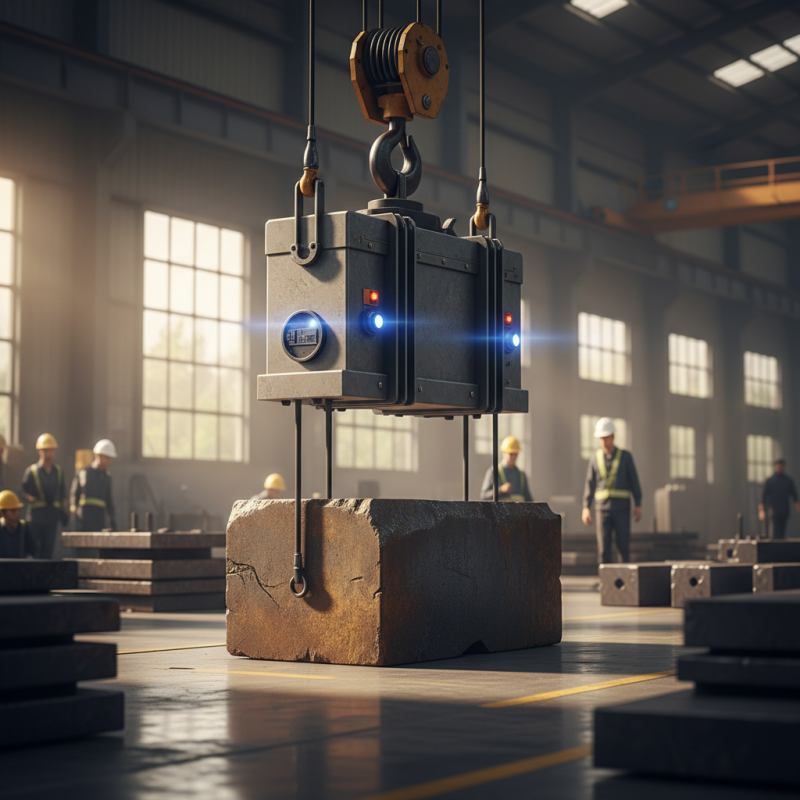
Understanding Electro Permanent Magnetic Lifters
Electro permanent magnetic lifters are vital tools in various industries. They offer a reliable way to move heavy metal objects. These lifters use magnets that do not require constant power, which enhances safety and efficiency. Understanding their operation is crucial for selecting the right model.
The technology behind these lifters is fascinating yet complex. They switch between magnetic and non-magnetic states using a simple electrical impulse. This means they can hold loads firmly without draining power. However, incorrect usage can lead to accidents. It’s essential to understand weight limits and the type of materials being lifted. Consider how the lifter is applied in real-world scenarios to avoid miscalculations.
Selecting the appropriate electro permanent magnetic lifter demands a thoughtful approach. Assess the specific needs of your operation. Think about load types and environmental conditions. Some lifters may not perform well in harsh environments or with irregularly shaped loads. Gathering insights from industry experts can offer valuable guidance. The goal is to make informed choices that enhance safety and productivity.
Factors to Consider When Selecting a Magnetic Lifter
When selecting an electro permanent magnetic lifter, several factors come into play. The load capacity is essential. Understand the weight of the materials you'll lift. It’s crucial to choose a lifter that can handle the specific loads involved. Additionally, consider the dimensions of the items. A lifter that is too small may lead to accidents. A good fit ensures safety and efficiency.
The environment also matters. Will you use the lifter indoors or outdoors? Different designs handle weather better than others. Another key point is the power supply. How often will you use the lifter? Portable options may suit infrequent use, while heavy-duty models work better for consistent tasks. Reflecting on these elements can guide your choice, but testing in real-life scenarios is ideal for finding the right fit. Engaging with professionals may offer insights, but personal experience is invaluable.
How to Choose the Right Electro Permanent Magnetic Lifter? - Factors to Consider When Selecting a Magnetic Lifter
| Feature | Description | Importance | Recommended Value |
| Load Capacity | Maximum weight the lifter can handle safely. | High | 500 kg - 2000 kg |
| Lifting Height | The maximum height at which the load can be lifted. | Medium | 1 m - 3 m |
| Power Source | Type of power used for activation (battery, AC). | High | Rechargeable battery |
| Durability | How well the lifter can withstand harsh conditions. | High | IP65 rated or higher |
| Control Mechanism | Ease of use of the lifting and releasing controls. | Medium | Remote control with safety features |
Choosing the Right Lifting Capacity for Your Needs
Selecting the correct lifting capacity for your electro permanent magnetic lifter is vital. It ensures safety and efficiency during operations. Start by understanding the weight of the materials you frequently handle. Every application is unique, so estimating the weight accurately is crucial.
Consider the types of materials you lift. For instance, steel plates might weigh more than aluminum sheets. Additionally, think about how often you lift heavier loads. If the workload is consistent, you need a lifter that can manage the maximum expected weight. This is better than choosing a model that barely meets your requirements.
Don't overlook safety margins. Many recommend a lifting capacity that exceeds your typical needs by 30%. This buffer reduces stress on the lifter and enhances reliability. Sometimes, workers underestimate the demands of their tasks. Regularly assess your lifting needs. Reflect on whether your current lifter truly meets them. Regular checks can reveal gaps in capability or overestimation of needs.
Evaluating Safety Features and Reliability
When selecting an electro permanent magnetic lifter, evaluating safety features is crucial. A reliable lifter must meet stringent safety standards. Look for models that offer fail-safe mechanisms. These features should prevent accidental releases. Always check the lifting capacity against your needs. It's essential to know the materials you'll handle.
Tips: Always conduct a thorough inspection before use. Check for any signs of wear or damage. Regular maintenance plays a key role in safety too.
The reliability of the lifter stems from its construction and design. Models with robust housing materials generally perform better under stress. However, it’s important to remember that even the best lifters can malfunction. Regular testing can help identify weaknesses.
Tips: Keep an eye out for any unusual sounds during operation. They can indicate potential problems. Don't ignore these warning signs. It's better to be safe than sorry.
Analyzing Cost vs. Performance in Magnetic Lifters
When analyzing cost versus performance in electro permanent magnetic lifters, certain factors emerge as critical. A recent industry report highlighted that lifters can vary by up to 40% in price yet deliver similar performance. This discrepancy often arises from differences in material quality and design. For example, high-grade magnetic materials may increase initial costs but can enhance lifting capacity and durability in the long run.
Performance metrics matter significantly. Consider lift force, which can be influenced by the magnetic circuit design. A lifter with superior efficiency may lift more weight with the same power input. Industry studies suggest that optimizing the magnetic field can boost lifting efficiency by 25% or more. However, not all manufacturers disclose these metrics clearly, leading to potential misjudgments on cost-effectiveness.
Users must also pay attention to operational factors. Maintenance requirements can vary widely. Many lifters may claim minimal upkeep, but real-world use often reveals issues. It’s not uncommon for buyers to encounter system failures, leading to increased downtime and costs. Understanding the trade-offs between upfront price and long-term operational reliability is essential to making informed decisions in selecting the right lifter.





