How to Choose the Right Compressor Room Cooler for Your Needs?
Choosing the right Compressor Room Cooler is critical for optimal performance and efficiency in any industrial setting. According to a recent industry report by Frost & Sullivan, up to 25% of energy consumption in facility cooling goes towards compressor systems. Proper cooling can significantly reduce wear and tear on equipment, prolonging its lifespan.
Expert John Wallace, a renowned cooling systems engineer, stated, "The essence of a reliable compressor room cooler is understanding the specific needs of your operation." With various options available, selecting the right cooler can be daunting. Factors like room size, heat load, and ventilation play crucial roles in determining the best fit.
Many businesses underestimate the energy costs associated with poor cooling solutions. This oversight can lead to unnecessary expenses and increased downtime. A well-chosen Compressor Room Cooler not only improves efficiency but also enhances overall operational reliability.
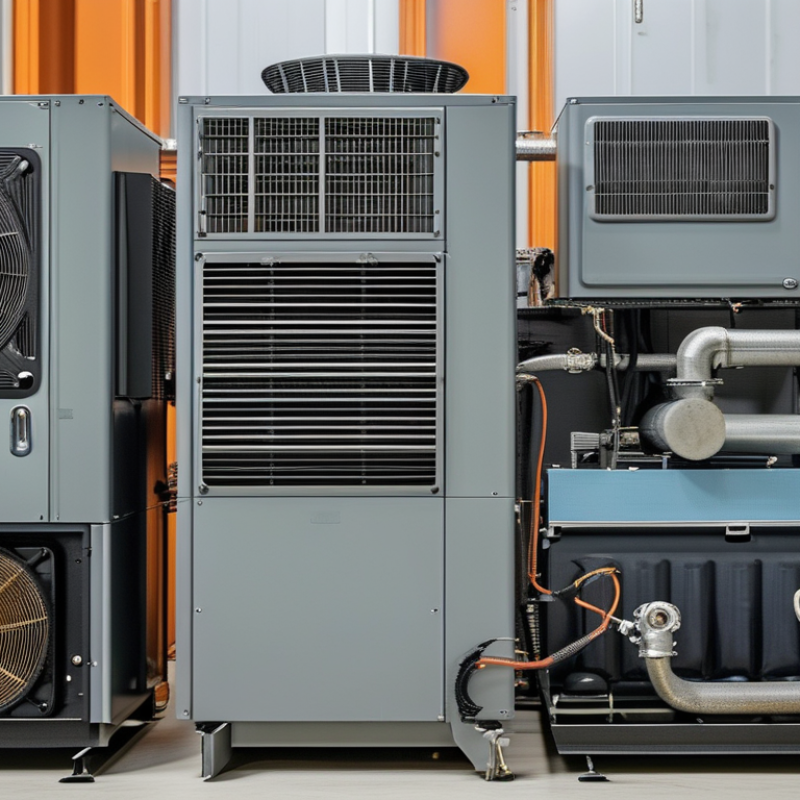
Understanding the Importance of Compressor Room Cooling Systems
Compressor room cooling systems play a critical role in maintaining operational efficiency. These systems prevent overheating, which can lead to equipment failure and costly downtime. Keeping your compressors within an optimal temperature range will enhance their performance and extend their lifespan.
Many facilities overlook the importance of proper cooling. A well-designed cooling system can save energy, reduce noise, and improve air quality. However, choosing the right cooler can be challenging. Factors such as room size, heat load, and ambient conditions must be considered. Each facility has unique needs that require careful evaluation.
It's essential to consult experienced professionals before making a decision. They can help assess your specific circumstances. Relying on expert advice reduces the risk of costly mistakes. Mindfully considering the effectiveness of your cooling system can lead to better outcomes. Ensuring consistent performance might require ongoing monitoring and adjustments.
Identifying Your Specific Cooling Requirements and Environment
When selecting a compressor room cooler, understanding your cooling requirements is crucial. Consider the heat load generated by your compressors. This load will influence the cooler's capacity. Measure the room dimensions and thermal properties. Factors like insulation, ambient temperature, and airflow can impact the efficiency of cooling.
It's essential to evaluate the environment as well. Is the compressor room located indoors or outdoors? Outdoor units may require weatherproofing. Indoor settings could face space constraints. Think about air circulation too; proper ventilation can improve the cooler’s performance. You might also need to consider potential noise levels. High-decibel models may not suit all environments.
While making choices, reflect on your operational needs. Rigid approaches may overlook unique circumstances. Specific conditions might require customized solutions. Balancing efficiency and cost is sometimes challenging. A deep understanding of both your equipment and environment leads to better decisions. This process may take time, but it is fundamental for optimal operations.
Evaluating Compressor Cooler Types: Air-Cooled vs. Water-Cooled
When selecting a compressor room cooler, understanding the two main types—air-cooled and water-cooled—is essential. Air-cooled systems use ambient air for cooling. They are typically easier to install and require less maintenance. A report from the American Society of Heating, Refrigerating and Air-Conditioning Engineers (ASHRAE) indicates that air-cooled systems are about 30% more energy-efficient than comparable water-cooled systems in certain environments. However, they may struggle in high-temperature conditions, making performance inconsistent.
In contrast, water-cooled systems utilize water for cooling. This often leads to better efficiency, especially in larger installations. Data from the International Energy Agency (IEA) shows that water-cooled systems can offer up to 15% higher cooling capacity than air-cooled counterparts. Nonetheless, they involve more complexity in terms of installation and maintenance. The water supply must be managed consistently, and any issues can escalate quickly.
Ultimately, the choice between air-cooled and water-cooled compressors depends on specific operational needs and environment considerations. It’s crucial to evaluate factors such as energy efficiency, installation complexity, and maintenance requirements. Every facility has unique demands, and reflecting on these can lead to better long-term performance.
Assessing Energy Efficiency and Operating Costs of Different Coolers
When selecting a compressor room cooler, energy efficiency is crucial. According to the U.S. Department of Energy, cooling systems can consume up to 40% of a facility's energy. Hence, choosing a cooler with a high Energy Efficiency Ratio (EER) can significantly reduce operating costs. Look for models that comply with the latest efficiency standards. These options not only cut energy use but also minimize greenhouse gas emissions.
Consider the operating costs beyond just energy consumption. Maintenance expenses can fluctuate based on the technology used. A report from the International Institute of Refrigeration indicated that smart coolers, which have advanced monitoring systems, can reduce maintenance costs by up to 30%. This saves more than just money; it saves time. Regular checks are necessary to ensure optimal performance.
Tips:
- Compare the EER of different models before purchasing.
- Ensure proper sizing of the cooler to prevent energy waste.
- Look for coolers with built-in diagnostics for easy maintenance.
Reflect on the implications of your choices. Sometimes, trends push towards cost-saving technologies, but it’s essential to analyze long-term operating costs thoroughly. This can lead to unexpected expenses if not addressed. Prioritize reliability as much as efficiency.
Choosing the Right Compressor Room Cooler: Energy Efficiency and Operating Costs
Considering Maintenance and Longevity in Cooler Selection
When selecting a compressor room cooler, maintenance and longevity are crucial factors. A well-maintained cooler not only avoids unnecessary costs but also extends equipment life. Inspecting components regularly for wear can prevent unexpected breakdowns. Look for coolers with easily accessible parts. Routine maintenance should never be overlooked.
Tips for maintenance:
- Clean filters every month.
- Check refrigerant levels bi-annually.
- Examine electrical connections for signs of wear.
Long-lasting performance depends on
quality materials and construction.
Steel frames, for example, provide better support and durability. Some models may seem appealing due to cost, but inferior materials often lead to problematic repairs down the line. Choosing a cooler designed with longevity in mind may entail a higher upfront cost, but this investment can yield substantial savings.
Consider the environment where the cooler will operate.
High humidity can accelerate wear. Ensure the cooler is designed to withstand such conditions. Investing in a reputable cooler means considering not just immediate needs, but future requirements as well. Reflect on how you typically use your cooling system.





