How to Choose the Right Coating Line Machine for Your Needs?
Choosing the right Coating Line Machine is crucial for manufacturing efficiency and quality. The global coating machine market is expected to grow significantly, reaching $17 billion by 2025. This pressure on manufacturers necessitates informed decisions in selecting equipment. According to industry expert Dr. James Solaris, "The right coating line can enhance productivity and reduce costs significantly."
Evaluating your needs before making a purchase is essential. Consider factors like production volume, the type of coatings used, and application methods. Each detail matters. A misstep can lead to inefficiencies and increased operational costs. Many manufacturers underestimate how crucial this decision is.
Reports indicate that companies often overlook integration capabilities with existing systems. This oversight can complicate workflows. Evaluating compatibility can reveal surprising challenges. The choice of a Coating Line Machine impacts quality control. It also affects the sustainability of your processes. Be thorough in your research and mindful of your unique requirements.
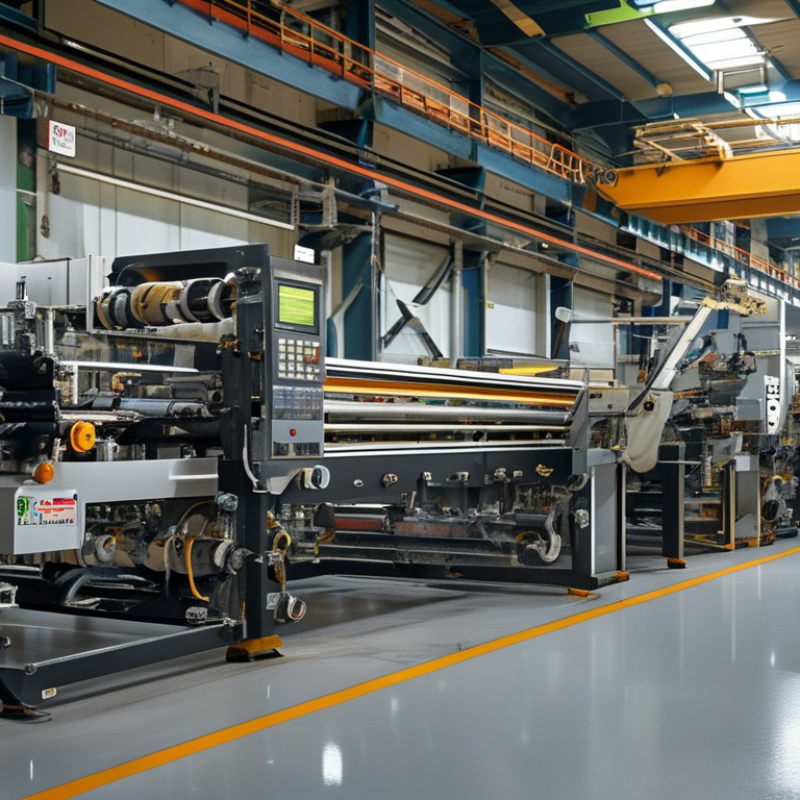
Understanding the Different Types of Coating Line Machines Available
When exploring coating line machines, it’s essential to understand the various types available. This knowledge helps streamline production and meet specific needs. Typically, coating line machines are classified into spray, dip, and roll coaters. Each type has distinct advantages based on the application and materials used.
Spray coating machines are widely utilized in industries requiring precise, even coverage. For instance, a recent report indicated that industries using spray coating experienced an efficiency boost of up to 35%. Dip coating machines, on the other hand, excel in providing thicker coatings, ideal for components needing corrosion protection. According to data from a leading market research firm, dip coating is projected to grow by 25% in demand over the next five years. Roll coaters are best for high-speed applications where thin, uniform layers are required.
Understanding these nuances is critical. Companies must reflect on their production volume and the desired finish quality. Ultimately, an ill-suited choice can lead to inefficiencies and increased costs. A thoughtful evaluation of each machine type aligns production goals with technological capabilities. This approach ensures a better fit for operational needs.
Assessing Your Production Capacity and Volume Requirements
Assessing production capacity and volume requirements is crucial when selecting a coating line machine. Understanding your production goals can prevent costly mistakes. A small workshop might need a compact machine with low output. In contrast, a large manufacturing facility may require a high-capacity system that can handle increased workload.
When determining your needs, consider the frequency of production runs. High-volume operations benefit from machines that offer speed and efficiency. Evaluate your typical batch sizes as well. Larger batches might necessitate more robust equipment. However, investing in advanced machinery without understanding your actual needs can lead to underutilization or even waste.
It's important to reflect on your future growth plans as well. Are you likely to expand operations soon? If yes, an adaptable system could be wise. That said, an over-engineered solution may drain resources without immediate benefits. Balancing current needs and future expansion capabilities is key.
How to Choose the Right Coating Line Machine for Your Needs?
| Feature | Description | Recommended Capacity (units/hour) | Optimal Volume (liters) |
| Type of Coating | Liquid, Powder, or Specialty | 200 | 50 |
| Machine Size | Compact, Standard, or Large | 150 | 30 |
| Application Method | Spraying, Dipping, or Rolling | 100 | 20 |
| Automation Level | Manual, Semi-Automatic, Fully Automatic | 300 | 70 |
| Energy Consumption | Low, Medium, High | 200 | 40 |
Identifying Key Features and Technologies in Coating Machines
Choosing the right coating line machine hinges on understanding key features and technologies vital for your production needs. Industry reports indicate that automated systems enhance efficiency by up to 20%. Look for machines with adjustable speed settings and versatile coating methods. These features allow for greater flexibility in manufacturing processes.
In addition to speed and versatility, consider the machine's size and layout. Compact designs save floor space without sacrificing performance. A reliable machine can lead to reduced downtime and fewer maintenance issues. Expert insights suggest that predictive maintenance features can decrease unexpected failures by 25%.
When assessing options, be aware of the technological integration. Modern machines often use sensors for real-time monitoring. This technology improves accuracy and quality control in the coating process. However, integrating new technologies can be daunting. It's crucial to weigh the learning curve against potential efficiency gains.
Evaluating Cost-Effectiveness and Budget Constraints
When selecting a coating line machine, cost-effectiveness is a critical factor. According to a recent industry report from the Association for Manufacturing Technology, the average cost of a new coating line can range from $100,000 to $500,000. Understanding your budget constraints is essential. A thorough financial evaluation can help prevent overspending.
Consider operational costs too. A machine that costs less initially may incur higher maintenance and energy expenses. The U.S. Department of Energy indicates that energy costs can account for up to 30% of total manufacturing expenses. Evaluate energy-efficient models, processing speeds, and maintenance requirements. Balancing upfront costs and ongoing expenses is vital for profitability.
Also, keep in mind that cheaper machines may not offer the same quality. In a study by the Coating Industry Association, 40% of manufacturers reported reduced product quality due to budget constraints. This highlights the importance of investing in reliable technology. Skimping on quality for cost savings can lead to losses in the long run. Select a machine that meets your needs while also aligning with your financial limits.
Considering Maintenance and Support Services for Your Machine
When selecting a coating line machine, it's crucial to consider maintenance and support services. Industry reports indicate that nearly 70% of machinery downtime stems from inadequate maintenance. Proper upkeep prevents costly halts in production, ensuring a smoother operation. Regular inspections and timely servicing can extend the machine's lifespan.
Choosing a machine with strong customer support is vital. According to a survey, about 80% of manufacturers emphasize that responsive service enhances their operational efficiency. A manufacturer that offers comprehensive support can provide training, troubleshooting, and timely repairs. This support is often a decisive factor in machinery selection.
It's important to reflect on the impact of service contracts. Many companies overlook this aspect, yet a good contract can save significant time and money in case of unexpected issues. Data shows that businesses with robust support experience 30% fewer problems. Don't rush this decision; weigh your options carefully.





