How to Choose the Right Check Valve for Your Needs?
Choosing the right Check Valve can be challenging. With various types available, making a decision requires knowledge and experience. Industry expert John Smith, a leading engineer in fluid dynamics, emphasizes, "Selecting the correct check valve is crucial for system efficiency and reliability." This highlights the importance of understanding your specific needs.
Check valves serve a vital role in preventing backflow in various applications. They ensure the smooth operation of plumbing systems, industrial processes, and more. However, choosing the wrong type can lead to leaks, inefficiencies, and costly repairs. It's essential to consider factors like pressure, temperature, and fluid type.
Understanding your application helps in selecting the right check valve. Research and consult experts to gain insights. Remember, the right choice can enhance performance and longevity. Be mindful, though; even established guidelines can sometimes lead to mistakes. Reflecting on past choices will aid in making better decisions in the future.
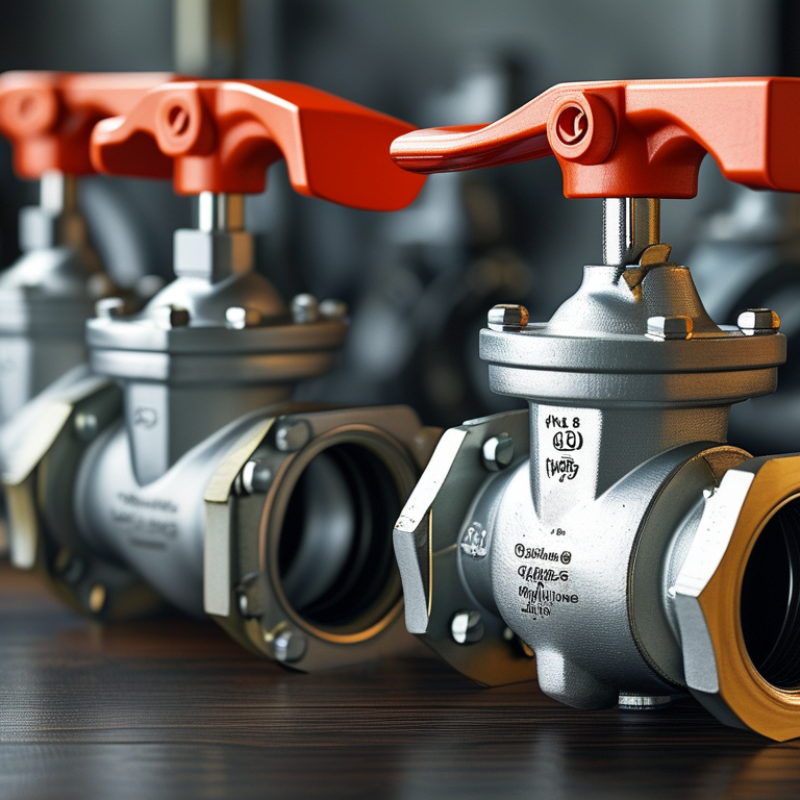
Understanding Check Valve Types and Their Applications
Check valves are crucial components in many fluid systems. They allow flow in one direction while preventing backflow. Understanding the different types of check valves helps in selecting the right one for your project. Common types include swing, lift, and ball check valves. Each serves a unique purpose and operates based on distinct mechanisms, making it essential to match them with specific applications.
Swing check valves pivot on a hinge, making them ideal for low-flow applications. They are often used in sewage systems and water treatment facilities.
Lift check valves, on the other hand, utilize a disc that rises and falls. This design suits high-pressure situations, such as in boiler systems.
Ball check valves rely on a floating ball to block reverse flow, offering quick response times and reliability in various settings.
While selecting, consider the material used for your chosen valve. Brass, stainless steel, and PVC are common. Each has advantages and disadvantages based on factors like corrosion resistance and pressure limits. A mistake could result in leaks or valve failure, emphasizing the need for thorough research. Evaluate the system's requirements carefully before making a decision. Identify your specific needs and constraints to ensure optimal performance.
Key Factors to Consider When Selecting a Check Valve
When selecting a check valve, several key factors must be considered to ensure optimal functionality. Flow direction is paramount. A check valve allows fluid to flow in one direction only, preventing backflow. The installation position can significantly impact performance. Horizontal and vertical installations may behave differently. Understanding the fluid dynamics is crucial; according to a report by the International Journal of Fluid Mechanics, incorrect installations contribute to a number of industrial failures.
Material choice is another important aspect. Common materials include stainless steel, brass, and plastic. Each has unique properties, influencing durability and compatibility with specific fluids. For example, corrosive fluids may require stainless steel to maintain integrity. A study from the American Society of Mechanical Engineers (ASME) highlights that material failure accounts for 30% of system downtimes in the industry.
Tips: Always consult technical data sheets before purchasing. They provide vital information on pressure ratings and temperature limits. Consider flow capacity also—an oversized check valve can lead to turbulence. Likewise, a valve that’s too small may cause excessive pressure drops.
Each parameter impacts performance and longevity. An improperly chosen check valve can lead to costly repairs and system inefficiencies. Regular reviews of performance metrics can help identify potential issues early.
Material Selection for Check Valves: Impacts on Performance
When selecting a check valve, material selection plays a crucial role in performance. Different materials can impact durability, corrosion resistance, and operational efficiency. Common materials include brass, stainless steel, PVC, and various elastomers. Each material offers unique advantages and weaknesses.
For example, brass is robust and resistant to corrosion in many environments. However, its performance may decline in extremely acidic or basic conditions. Stainless steel excels in high-temperature applications but can be costly. PVC is lightweight and suitable for low-pressure systems but may not withstand high temperatures.
**Tips:** Always consider the environment. If the application involves harsh chemicals, opt for materials like Teflon-coated valves. Conduct thorough research on the specific requirements of your system.
Choosing the right material can also affect the lifespan of the valve. A poorly matched material may lead to premature failure, increasing maintenance costs. Reflect on your system’s needs carefully before making a selection. Testing different materials in simulated environments might provide practical insights. By focusing on these aspects, you can enhance performance and reliability for your specific application.
How to Choose the Right Check Valve for Your Needs?
| Material | Corrosion Resistance | Temperature Range (°F) | Pressure Rating (PSI) | Applications |
| Stainless Steel | Excellent | -325 to 1,200 | 1500 | Water, Oil, Gas |
| PVC | Good | 32 to 140 | 150 | Chemical Handling, Irrigation |
| Brass | Moderate | -40 to 180 | 300 | Water, Air, Light Oil |
| Cast Iron | Fair | -20 to 200 | 400 | Pumps, HVAC |
| PTFE | Excellent | -100 to 500 | 150 | Chemical Processing |
Sizing and Pressure Ratings for Optimal Check Valve Functionality
Choosing the right check valve involves understanding sizing and pressure ratings. These factors are crucial for ensuring optimal functionality. According to industry standards, the valve size must match the pipe diameter to prevent flow restrictions. A mismatch can cause inefficiencies and increase the risk of failure.
When considering pressure ratings, it’s essential to select valves rated for the highest pressure in your system. For example, a common report from the American Society of Mechanical Engineers indicates that valves should exceed the maximum working pressure by at least 25%. This ensures reliability under varying conditions.
Tips: Always consult pressure-temperature ratings before making a decision. Avoid installing a check valve without confirming the operating environment. Regular maintenance checks can identify potential issues before they escalate. Not every valve is suitable for every application; doing thorough research can save time and resources. Choosing the proper size and rating can effectively reduce costs and enhance system performance.
Industry Standards and Regulations for Check Valve Installation
When installing check valves, understanding industry standards is crucial. These guidelines ensure safe and effective operation. Organizations like the American Society of Mechanical Engineers and the International Organization for Standardization set these standards. Adhering to them minimizes risks and enhances reliability.
Regulations vary by application and location. Some industries require specific materials and designs. For example, check valves in water treatment must meet strict corrosion-resistance standards. Consulting local regulations is essential to avoid non-compliance. Engaging with experts can help clarify these requirements.
Installation practices also play a role in performance. Proper alignment and orientation are vital. Misalignment can cause operational failures. It's important to allow for thermal expansion as well. Regular inspections can reveal installation issues that need addressing. Reflecting on these factors leads to better decision-making in valve selection and placement.





