How to Choose the Right Cable Wire Connectors for Your Needs?
Choosing the right Cable Wire Connectors is critical for ensuring optimal electrical performance and safety in various applications. According to a report by ResearchAndMarkets, the global market for cable connectors is projected to reach USD 60 billion by 2025. This growth is driven by increasing demand in electronics, automotive, and renewable energy sectors.
Understanding the specifications and types of Cable Wire Connectors is essential. For instance, connectors designed for high-voltage applications differ from those used in low-voltage scenarios. An incorrect choice can lead to severe operational inefficiencies or even equipment damage. Many users overlook critical factors, such as the connector’s material, insulation properties, and environmental resistance.
Investing time in selecting the right connector is a necessity, but some may rush the decision. Studies show that a staggering 30% of electrical failures are attributed to connector issues. By being informed and aware, users can significantly reduce these risks. Making informed choices about Cable Wire Connectors ensures reliability and enhances overall project success.
Understanding Different Types of Cable Wire Connectors Available in the Market
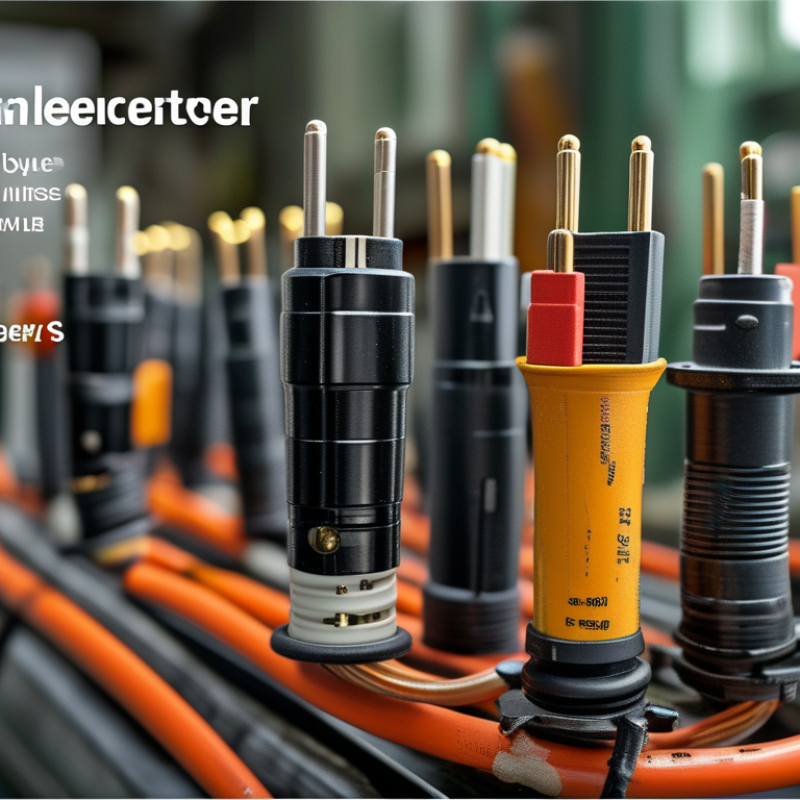
Choosing the right cable wire connectors starts with understanding the different types available. Connectors fall into several categories, including butt connectors, ring terminals, and spade terminals. Each type serves a specific purpose. For example, butt connectors are ideal for splicing wires together. Meanwhile, ring terminals can secure a connection to a bolt or stud, which is quite useful in automotive applications.
There are other connectors to consider as well. For instance, solder connectors provide a permanent bond but require more skill to install. Heat-shrink connectors offer added protection against moisture and corrosion. It's also important to match the connector size to the wire gauge. Mismatched sizes can lead to poor connections or overheating, causing further issues.
When selecting connectors, don't overlook the installation process. Some connectors are easier to use, while others may require special tools. Failing to use the right techniques can result in unreliable connections. Reflecting on your skill level is essential. If you are unsure about installation, seeking expert advice can save you time and effort. Ultimately, the right connector will depend on your specific project needs and the environment in which it will be used.
Evaluating Current and Voltage Ratings for Optimal Connector Selection
When selecting cable wire connectors, evaluating current and voltage ratings is vital. These ratings determine how well connectors can handle electrical loads. If a connector is not rated adequately, it can lead to overheating and potential failure. This could create safety hazards in your projects. Always check the specifications on the packaging or manufacturer’s datasheets.
Consider the application of your connectors. High-power devices require connectors with higher voltage and current ratings. For example, a light fixture might need 15 amps, while heavy machinery might demand connectors rated for 30 amps or more. It is important to choose wisely based on the specific needs. Avoid using a connector rated for lower currents than required; this is a common mistake.
Sometimes, you might find a connector that seems suitable but carries a risk. Test the connectors under load conditions before full installation. This adds an extra layer of reliability to your setup. Addressing these details early can prevent future issues. Understanding these ratings can empower you to build safer, more effective electrical systems. Always remember that oversights can have serious consequences.
Analyzing Connector Material Types and Their Impact on Performance
When selecting cable wire connectors, material type significantly influences performance. The most common materials include copper, aluminum, and various plastics. Copper connectors generally offer superior conductivity and durability, making them ideal for high-performance applications. According to industry reports, copper wire connectors can conduct electricity with a lower resistance level, enhancing energy efficiency by approximately 30%. In contrast, aluminum connectors, while lighter and cheaper, can be prone to oxidation, which may lead to increased resistance over time. This degradation can compromise the integrity of electrical systems.
Plastic connectors are often selected for their insulation properties. They protect against short circuits and ensure reliability in damp or extreme environments. However, not all plastics are created equal. Some lower-quality plastics may fail under high temperatures, leading to connector failure. A recent survey noted that about 15% of connector failures were attributed to inadequate insulation materials. This statistic underscores the need for careful consideration regarding the choice of material.
The impact on performance extends beyond just conductivity and insulation. The environmental conditions also play a crucial role in connector selection. High humidity or temperature fluctuations can accelerate material degradation. Therefore, it is essential to match connector materials to specific environmental conditions. A mismatch may not only result in performance issues but can also lead to costly redesigns later on. The right choice requires careful analysis of all factors involved.
Connector Material Types and Their Performance Impact
Assessing Environmental Factors Influencing Connector Durability
When assessing the environmental factors that influence connector durability, several elements come into play. Temperature extremes can significantly impact a connector's performance. For instance, connectors exposed to high heat may experience material degradation, compromising their integrity. According to a report by the International Electrotechnical Commission, a temperature rise of 10°C can halve the lifespan of certain connectors.
Moisture is another critical factor. Humidity can cause corrosion, especially in metal contacts. The IPC-T-50 document highlights that over 60% of connector failures are linked to corrosion-related issues. Using sealed connectors can often mitigate these risks. However, not all applications require such high protection levels, leading to varying choices within designs.
Lastly, exposure to chemicals must be considered. Connectors used in industrial settings may encounter oils, solvents, or other corrosive substances. Selecting materials resistant to these chemicals is essential. A study by the Society of Automotive Engineers indicates that connectors made from specific polymers can maintain functionality in harsh chemical environments. Balancing these factors can be challenging, requiring informed decisions based on specific use cases.
Selecting the Right Gauge for Wire Sizes to Ensure Effective Connections
Choosing the right gauge for wire sizes is crucial in ensuring effective connections. Wire gauge affects current capacity, resistance, and voltage drop. For instance, a 12-gauge wire can carry 20 amps, while a 16-gauge wire can only handle 10 amps. According to the National Electrical Code, using the proper gauge minimizes the risk of overheating and ensures safety.
Understanding your application is essential. If power tools require high current, a thicker wire is needed. However, using a thicker wire than necessary can lead to unnecessary costs. A study from the Electrical Safety Foundation reveals that improper gauge selection is a leading cause of electrical fires. This highlights the importance of making informed choices.
Evaluating the length of your run is also important. Longer distances may require thicker wires to counteract voltage drop. Experts recommend keeping voltage drop under 3% for optimal performance. However, budget constraints might push users to select less optimal wire sizes. This trade-off can lead to performance issues later. Always weigh your options carefully to avoid future regrets.





