How to Choose the Right Ball Valve for Your Needs?
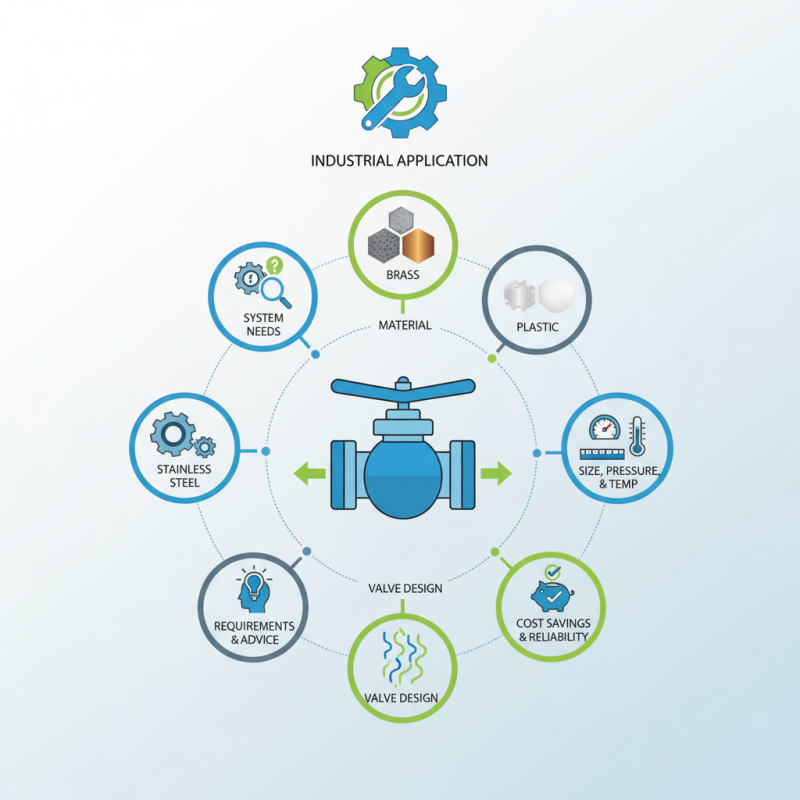
Choosing the right Ball Valve is crucial for any industrial application. A well-selected ball valve can enhance system performance and ensure reliability. However, the decision-making process can be complex. There are many factors to consider.
Start by understanding the specific needs of your system. Different types of ball valves serve diverse purposes. The material matters too. Options include stainless steel, brass, and plastic. Each material has unique properties. Additionally, consider the size, pressure ratings, and temperature limits.
Many people overlook the importance of valve design. It affects flow dynamics. A poorly chosen valve can lead to inefficiencies. Take time to reflect on your requirements. Seek expert advice if needed. A reliable ball valve can save costs in the long run. The right choice builds confidence in your system's performance.
Understanding the Different Types of Ball Valves Available
When selecting a ball valve, understanding the types available is crucial. There are three primary types: full port, standard port, and reduced port. Full port valves allow the maximum flow through the piping system. They are ideal for applications requiring minimal pressure drop. Standard port valves, however, have a smaller diameter, which can lead to some pressure loss. They are often used in installations where flow efficiency is not a top priority.
In addition to flow characteristics, consider the materials used in valve construction. Common materials include brass, stainless steel, and PVC. Brass is durable and suitable for many fluids, but might corrode in harsh environments. Stainless steel offers excellent resistance to corrosion but comes at a higher cost. PVC is lightweight and cost-effective, yet it cannot handle high temperatures or heavy-duty applications.
Each type has its strengths and weaknesses. Choosing the right one might require some reflection on your specific needs. For example, if your system handles varying pressures, a full port valve might not always be the best choice. Assess how often you will be adjusting the valve, as some types can wear out faster with frequent use. Consider consulting professionals for further insights.
Key Factors to Consider When Selecting a Ball Valve
Selecting the right ball valve involves several key factors. One primary consideration is the valve's material. Material affects durability. Common materials include brass, stainless steel, and PVC. Each has its pros and cons. For example, stainless steel offers strength in corrosive environments, while PVC is lighter and cost-effective for non-toxic fluids. According to industry reports, nearly 40% of failures in valve systems arise from material compatibility issues.
Another critical factor is the valve's size. Proper sizing ensures optimal flow rates. A valve too large can lead to inefficient control. Conversely, a valve that is too small can restrict flow. Flow coefficient (Cv) values can help determine the appropriate size. Inappropriate sizing can cause pressure drops, which impacts system efficiency and maintenance costs.
Tips: Always consult pressure and temperature ratings. Many industry resources suggest cross-referencing your specifications with manufacturer guidelines. Additionally, consider the valve’s end connections. Different applications may require threaded, flanged, or welded connections. Remember that installation difficulties can arise from incompatible connection types, impacting performance and safety.
Pay attention to your system's specific needs. Neglecting to assess these factors may lead to costly errors. Regular evaluation of valve performance provides insights. This can reveal if a valve is maintaining proper operational standards.
How to Choose the Right Ball Valve for Your Needs
The Importance of Ball Valve Materials and Their Applications
When selecting a ball valve, the material plays a crucial role. Different materials offer unique benefits suited to specific applications. For example, stainless steel valves are excellent for corrosive environments. They withstand harsh conditions, ensuring durability and longevity. In contrast, plastic valves are lightweight. They are ideal for less demanding applications, allowing for easy installation and maintenance.
Understanding the use case is essential. High-temperature applications often require specialty materials like brass or high-performance plastics. Each material has a temperature and pressure limit. Choosing the wrong material might lead to premature failure or leaks. This underlines the importance of working with reliable suppliers who provide accurate material information.
It can be tempting to choose a valve based solely on price. However, this approach may result in future costs due to replacements or repairs. Gathering information about each material’s properties is vital. Consider environmental factors and the fluid being controlled. A detailed dialogue with experts can illuminate the complexities of valve selection. It’s important to remember that the right material contributes significantly to the performance and reliability of your valve choice.
How to Determine the Correct Size of Ball Valve for Your System
Choosing the right size of a ball valve is crucial for optimal system performance. A valve that is too small can restrict flow, causing pressure build-up. Conversely, an oversized valve may lead to inefficient operation and high energy costs. To avoid these issues, it's essential to accurately assess your system's requirements.
Start by determining the flow rate needed for your application. Measure the maximum and minimum flow conditions to get a range. Next, consider the pipe size and type of fluid involved. Different fluids have unique properties that can affect valve choice. For instance, viscous liquids may require larger valves compared to gases.
Another factor is the pressure rating of your system. Ensure that the valve can handle the maximum operating pressure without risking damage. Reflect on the installation environment as well. Factors like temperature and potential exposure to corrosive elements should guide your choice. It's a complex process, but taking these aspects into account will lead you to the right decision.
How to Choose the Right Ball Valve for Your Needs? - How to Determine the Correct Size of Ball Valve for Your System
| Pipe Size (inches) | Valve Size (inches) | Flow Coefficient (Cv) | Pressure Rating (psi) | Body Material |
| 1 | 1 | 25 | 150 | Bronze |
| 1.5 | 1.5 | 45 | 150 | Stainless Steel |
| 2 | 2 | 100 | 300 | Carbon Steel |
| 3 | 3 | 150 | 600 | PVC |
| 4 | 4 | 200 | 150 | Brass |
Evaluating Pressure and Temperature Ratings for Ball Valves
When selecting a ball valve, understanding its pressure and temperature ratings is crucial. Each valve is designed to operate within specific parameters. For instance, typical pressure ratings can range from 150 psi to 3000 psi, while temperature ratings often span from -20°F to 450°F. These metrics ensure that the valve can handle the conditions in which it will operate.
The American Society of Mechanical Engineers (ASME) identifies these ratings through rigorous testing. This helps maintain safety and efficiency in industrial applications. It's vital to choose a valve that can withstand the maximum pressure and temperature expected in your system. Neglecting this can lead to valve failure or leaks, which can be costly.
Tips: Always consult product specifications. They provide essential details. Consider environmental factors as well. High temperatures can degrade certain materials over time. Additionally, improper pressure ratings can diminish performance, leading to premature wear. Balancing these factors is not straightforward and requires careful consideration.