How to Choose the Right Aerosol Fire Extinguisher for Safety?
When selecting an aerosol fire extinguisher, safety is paramount. According to John Smith, a leading expert in fire safety, "The right extinguisher can save lives and property." With the variety of options on the market, making the right choice can be overwhelming.
An aerosol fire extinguisher is designed for quick, effective response to small fires. These compact devices are easy to use and can be effective in homes or vehicles. However, understanding their specifications is crucial. Different types fight different flames. For example, not every extinguisher is suitable for electrical fires or grease fires.
Many might think all extinguishers work the same. This misconception can lead to poor choices during emergencies. Relying solely on brand reputation without understanding the specifics could be risky. It’s essential to assess your needs and select the right type carefully. Doing so can significantly increase safety and preparedness in potential fire situations.
Understanding the Different Types of Aerosol Fire Extinguishers
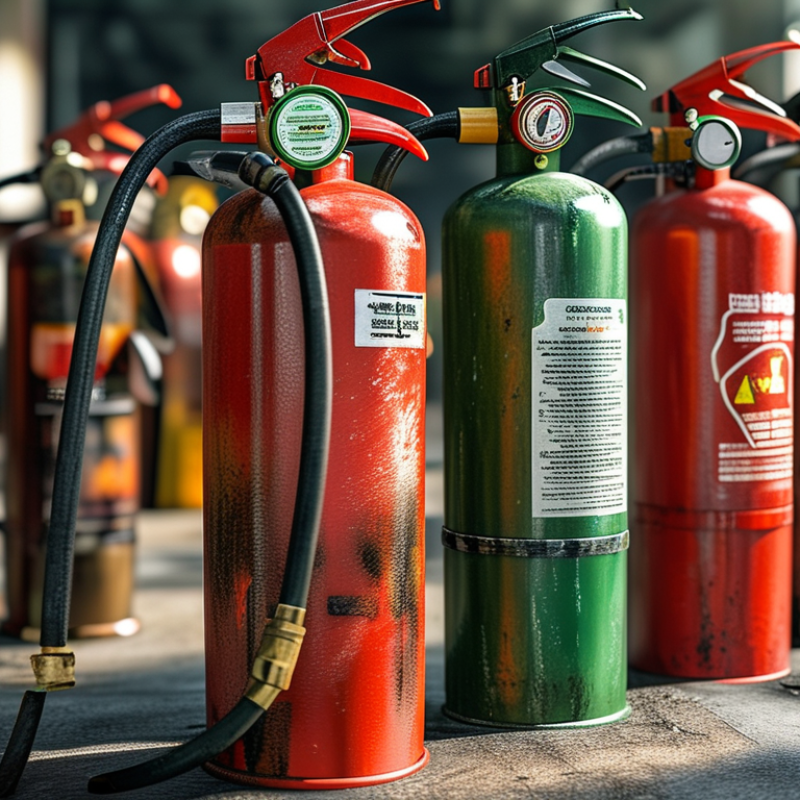
When considering aerosol fire extinguishers, it's crucial to understand the different types available. These devices generally fall into three categories: water-based, dry chemical, and foam. Each type offers specific advantages depending on the nature of the fire. According to the National Fire Protection Association (NFPA), approximately 50% of residential fires start in kitchens. Water-based extinguishers are often ineffective on grease fires, while the dry chemical type is more versatile and can combat various fuel sources.
There is also data from the Fire Protection Research Foundation, indicating that misuse of fire extinguishers remains a significant issue. Many users are unaware of which type to use on specific fires. This can lead to disastrous outcomes. Understanding the extinguishing agents—like potassium bicarbonate or sodium bicarbonate in dry chemical extinguishers—can aid users in making informed decisions during emergencies.
Moreover, it is essential to consider the size and accessibility of the extinguisher. A smaller canister may be more portable, while larger ones offer extended coverage. Proper training on how to operate these devices effectively is often overlooked. The importance of selecting the right type of extinguisher and understanding its limitations cannot be understated. Making informed decisions can save lives and property in critical moments.
Evaluating Fire Risks in Your Environment
When evaluating fire risks in your environment, it’s essential to understand where potential hazards exist. Assess areas prone to fire, such as kitchens, workshops, and storage rooms. Think about the materials present. Flammable items increase risk. Unsecured electrical equipment also poses a threat.
Consider these tips:
Place smoke detectors in key areas. This early warning can save lives. Regularly check fire exits. Ensure they’re accessible and clear. Fire extinguishers should be nearby, especially in high-risk zones.
Do not overlook maintenance. Inspect your fire extinguishers often. Expired or damaged equipment can't help you in an emergency. Create an evacuation plan and practice it. Familiarizing everyone with escape routes can make a critical difference during a fire. Always stay alert to changing conditions. Fire risks can evolve, requiring continuous assessment.
Key Features to Consider When Choosing an Aerosol Fire Extinguisher
Choosing the right aerosol fire extinguisher involves understanding key features that ensure safety. One crucial aspect is the type of fire it can combat. Different extinguishers target specific fire classes, such as A (ordinary combustibles) or B (flammable liquids). Verify that the extinguisher matches the types of potential fires in your environment.
Next, check the size and design. Aerosol extinguishers are compact and easy to handle, making them suitable for home or vehicle use. However, consider how easily you can access it during an emergency. Some models may have a complex actuation process. The simpler, the better in a high-stress situation.
When evaluating options, read the guidelines and expiration dates. Some products may not give clear indications. Regularly inspect your extinguisher to ensure it’s functional. Tips from safety experts encourage placing extinguishers in visible locations. Regular training on their use can enhance readiness. Trust your instincts, but don't overlook expert recommendations.
Safety Standards and Certifications for Aerosol Fire Extinguishers
When choosing an aerosol fire extinguisher, safety standards and certifications play a crucial role. Look for products that meet national and international standards. Certifications from recognized organizations ensure the extinguisher has passed rigorous testing. This includes performance, safety, and effectiveness in various fire scenarios.
Some examples of relevant standards are the NFPA and UL certifications. These organizations evaluate and certify fire extinguishers for safety and reliability. They help consumers identify quality products that can perform when needed. Keep an eye out for these symbols on the packaging.
Tips for selection: always check the label for these certifications. Don't assume all products are equal; research their testing history. Additionally, ensure the extinguisher is suitable for your specific needs. Consider the classes of fires it can handle, as some extinguishers might only work on certain types. Remember, an extinguisher without proper certification may not provide the safety you expect.
Proper Usage and Maintenance of Your Aerosol Fire Extinguisher
When considering the proper usage and maintenance of your aerosol fire extinguisher, regular checks are vital. Fire extinguishers can lose effectiveness over time. Reports indicate that over 30% of extinguishers inspected fail to meet safety standards. To ensure reliability, inspect the device monthly. Check for the expiration date, leaks, and any physical damages.
Another crucial aspect is how to use these extinguishers correctly. Aerosol fire extinguishers are effective on small fires. However, misuse can escalate situations. Always aim for the base of the fire. Remember the PASS technique: Pull, Aim, Squeeze, and Sweep. Training is essential. Regular drills help reinforce what you learned.
Tips: Maintain an accessible location for your extinguisher. Avoid placing it in a cabinet or behind furniture. Ensure your extinguisher is suitable for the type of fires you may encounter. Review safety guidelines often. Your preparedness can make a significant difference.





