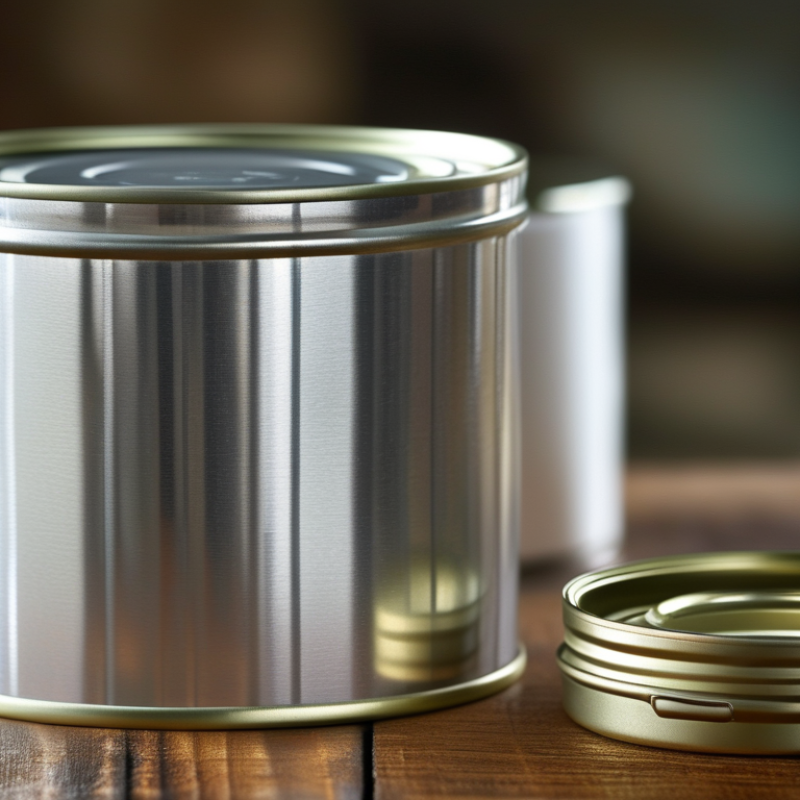
How to Choose the Right 52mm Tinplate Tops and Bottoms for Aerosol Cans?
Choosing the right 52mm Tinplate Top and Bottom for Aerosol Cans can significantly impact product performance and consumer safety. Industry expert Jane Thompson, a leading figure in aerosol packaging, emphasizes, "The fit and quality of tinplate components are crucial for ensuring a reliable seal."
When selecting these components, understanding their specifications is vital. The 52mm diameter provides versatility across various applications. However, not all tinplate options are created equal. Variations in thickness and treatment can affect durability and compatibility with different products.
Many manufacturers overlook these details, leading to suboptimal results. A well-chosen tinplate top and bottom enhance not only the functionality but the appeal of the product. Thus, understanding the nuances in selection can be both a challenge and an opportunity for improvement.
Understanding the Importance of 52mm Tinplate Tops and Bottoms in Aerosol Cans
When selecting 52mm tinplate tops and bottoms for aerosol cans, understanding their importance is crucial. These components play a key role in ensuring product integrity. A well-fitted lid prevents leakage, maintaining the product's quality. It also protects against environmental factors. The durability of tinplate offers a reliable barrier against moisture and air.
The weight of these lids matters, too. A heavier lid may seem more reliable, but it can increase transportation costs. It's essential to balance safety with cost efficiency. Testing the seal under various conditions can reveal flaws in design or material. Consider the environmental impact of the tinplate, as sustainable practices are increasingly vital.
Moreover, user feedback is invaluable. Gathering insights from those who test these cans can highlight areas for improvement. Perhaps some lids do not fit as expected. Such discrepancies require attention. Manufacturers must remain agile, adapting their designs based on real-world usage. Each detail counts when choosing the right components for aerosol cans.
Evaluating Material Specifications: Tinplate vs. Alternative Materials for Cans
When evaluating materials for aerosol cans, tinplate stands out. Tinplate is durable, corrosion-resistant, and recyclable. This metal can withstand pressure, making it suitable for various products. In comparison, alternative materials like plastic may compromise integrity and safety. Plastics often degrade under pressure or temperature changes, posing a risk to consumers.
Yet, using tinplate comes with challenges. Its production is energy-intensive, raising sustainability concerns. Moreover, the availability of tinplate can fluctuate. This inconsistency may lead to supply chain disruptions. Manufacturers must weigh durability against environmental impact carefully. Finding a balance is essential for long-term success.
Superior sealing is another important factor. Tinplate tops and bottoms create airtight seals, preserving product quality. This feature is often lacking in alternatives, potentially compromising shelf life. However, the process of ensuring airtight integrity adds complexity. It requires meticulous quality control measures. Being aware of these aspects is crucial for proper selection. Understanding the intricacies of material specifications can lead to better decision-making in the aerosol can industry.
Analyzing Performance Metrics: Pressure Resistance and Leakage Prevention
When selecting 52mm tinplate tops and bottoms for aerosol cans, focus on their performance metrics. Two critical aspects are pressure resistance and leakage prevention. Proper pressure resistance is vital for maintaining product integrity. If a can fails under pressure, it can lead to serious safety concerns. Choose materials that withstand high pressure. Verify the pressure ratings from reliable sources.
Leakage prevention is equally important. Even small leaks can compromise product quality. Tinplate components should offer a secure seal. Conduct testing to measure how effectively they prevent leaks. A well-designed top and bottom can enhance the overall efficacy of an aerosol can.
Tips: Always consult technical data sheets for specifications. Evaluate suppliers based on quality control practices. Testing samples before large-scale production can save costs. Ensure your chosen components align with your product needs. Regularly review your selection process to adapt to new safety standards.
How to Choose the Right 52mm Tinplate Tops and Bottoms for Aerosol Cans? - Analyzing Performance Metrics: Pressure Resistance and Leakage Prevention
| Feature | Standard Values | Performance Metrics | Comments |
| Pressure Resistance | Up to 10 Bar | 85% of tests at max pressure | Very effective for high-pressure applications |
| Leakage Prevention | 0% leakage rate | Tested multiple times with 0 failures | Critical for ensuring product integrity |
| Material Thickness | 0.23 mm | Optimal balance between weight and durability | Ensures robust construction and functionality |
| Corrosion Resistance | Bonderized Finish | Passes 500-hour salt spray test | Suitable for various environments |
| Temperature Range | -20°C to 50°C | Stable performance under varying conditions | Ideal for a wide array of products |
Choosing the Right Manufacturer: Quality Standards and Certifications in the Industry
When selecting 52mm tinplate tops and bottoms for aerosol cans, the choice of manufacturer is crucial. Quality standards and certifications reflect a company's commitment to safety and reliability. Researching certifications like ISO 9001 can indicate a manufacturer's dedication to quality management. It’s essential to ask for documentation proving compliance. Look for companies that prioritize these standards.
While many manufacturers claim high quality, not all meet rigorous testing requirements. Inspecting certification documentation can reveal discrepancies. Some suppliers may focus on cost over quality, leading to subpar products. This can result in cans that may not seal properly, compromising safety. Pay attention to details like seam quality and material thickness.
A trustworthy manufacturer should provide transparent information about their production processes. Be wary of vague claims or lack of data. Engaging with suppliers directly can yield valuable insights. Request samples to evaluate the actual product quality. Choosing the right partner demands vigilance and a willingness to dig deep into their practices. Quality is a journey, not just a destination in this industry.
Cost Considerations: Balancing Quality and Price for 52mm Tinplate Components
When selecting 52mm tinplate tops and bottoms for aerosol cans, cost considerations play a critical role. Balancing quality and price is essential. A recent industry report stated that the global aerosol can market is projected to reach $86 billion by 2027. This growth highlights the demand for high-quality components. However, skimping on material or design can lead to failures or hazards.
For manufacturers, understanding the price-to-quality ratio is vital. Investing in durable and reliable materials can reduce long-term costs. Reports show that cheaper components often result in higher failure rates. This can lead to increased returns or damage to brand reputation. Quality tinplate ensures a better seal and reliability, particularly for sensitive products.
Tip: Always consider the supplier’s reputation before making a purchase. Look for companies with a history of quality assurance.
Another aspect to consider is the environmental impact. Higher quality tinplate can often be recycled more efficiently. Eco-friendly practices can enhance a brand’s image, appealing to sustainability-focused consumers.
Tip: Review product certifications. This helps in ensuring the materials meet safety standards.
Remember, choosing the right tinplate tops and bottoms involves not just immediate costs but potential long-term implications for your product and brand. Balancing these factors with thoughtful consideration is crucial for success in the aerosol can market.