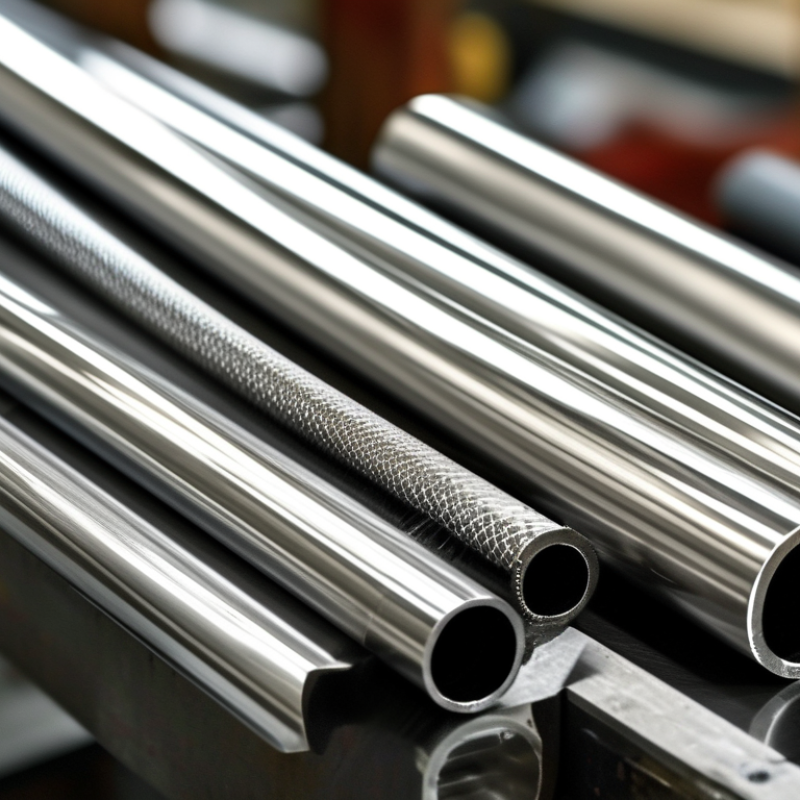
How to Choose the Right 202 Stainless Steel Precision Pipe?
Choosing the right 202 Stainless steel Precision pipe is crucial for various applications. According to John Smith, an expert in the stainless steel industry, “Quality and precision are at the heart of selecting the right pipe.” His insight highlights the importance of understanding both the material and its specific uses.
A 202 Stainless Steel Precision Pipe is known for its excellent properties. It provides superior corrosion resistance compared to other materials. However, not all 202 stainless steel pipes are created equal. Variations in manufacturing can impact performance. It's essential to examine the specifications closely.
When making a selection, consider factors like diameter, thickness, and finish. Inspecting the supplier's reputation and certifications adds reliability to your choice. Reflecting on these aspects can lead to better outcomes. Investing time in understanding these details may prevent costly mistakes.
Understanding the Properties of 202 Stainless Steel
202 stainless steel is notable for its unique blend of properties. Its moderate corrosion resistance makes it suitable for various applications. This grade contains a mix of chromium, nickel, and manganese. These elements contribute to its strength and formability, offering versatility in manufacturing processes.
According to recent industry reports, 202 stainless steel exhibits a yield strength of approximately 200 MPa. This is substantial compared to other stainless steel grades. While its corrosion resistance is decent, it is not as robust as 304 stainless steel. This aspect requires careful consideration in environments prone to acidic conditions. Some users may overlook these nuances, focusing solely on cost.
Weldability is another critical property of 202 stainless steel. While it can be welded, preheating may be necessary to avoid cracks at the weld joints. This is often neglected, leading to potential structural failures in critical applications. Understanding these characteristics deeply is essential for making informed choices and optimizing performance.
Identifying Your Application Needs for Precision Pipes
When selecting a 202 stainless steel precision pipe, understanding your application needs is paramount. Precision pipes are used in various industries, from aerospace to medical devices. Each application has unique requirements. For example, aerospace components demand high strength and durability. In contrast, medical equipment often focuses on corrosion resistance and cleanliness.
Evaluate the specific conditions your pipe will face. Consider factors like pressure, temperature, and potential chemical exposure. For instance, if the environment is corrosive, the alloy composition becomes vital. Not all 202 stainless steels have the same resistance.
Additionally, think about precision tolerances. Some applications may require a tighter fit. This affects the manufacturing process and final cost. Reflect on how a slight deviation in diameter can impact your project. Failing to account for such details can lead to inefficiencies or failure. Choosing the right material is a balance of performance, cost, and reliability. Each project's context shapes the requirements for your precision pipe decisions.
How to Choose the Right 202 Stainless Steel Precision Pipe? - Identifying Your Application Needs for Precision Pipes
| Application | Pipe Diameter (Inches) | Wall Thickness (mm) | Pressure Rating (psi) | Temperature Resistance (°C) |
| Automotive Exhaust Systems | 2.5 | 1.5 | 300 | 600 |
| Chemical Processing | 3 | 2.0 | 1500 | 800 |
| Food & Beverage Industry | 4 | 1.2 | 1000 | 500 |
| Construction | 6 | 3.0 | 800 | 300 |
| Marine Applications | 2 | 1.8 | 500 | 400 |
Evaluating Dimensions and Specifications for Your Project
When selecting the right 202 stainless steel precision pipe, dimensions and specifications are critical. Measure the bore diameter and outer diameter accurately. A precise fit can prevent leaks and enhance durability. Consider wall thickness, as it affects strength and weight. Choosing the right size ensures your project runs smoothly.
Tips: Always consult industry standards. They help define the dimensions needed for your specific application. Moreover, check the tolerance levels. A small variation can lead to significant issues down the line. Also, document your measurements. Future projects can benefit from this information.
Consider the length of the pipe, too. It must fit in the designated space. An overly long pipe is an unnecessary hassle. Remember, some projects may require custom fabrication. Standard sizes may not meet your needs. Flexibility in dimensions can broaden your options.
Comparing Manufacturers and Quality Certifications
When selecting a 202 stainless steel precision pipe, assessing manufacturers and their quality certifications is crucial. Not all manufacturers uphold the same standards. Quality certifications, like ISO 9001 or ASTM, indicate a commitment to quality. Pipes bearing these certifications are more likely to meet industry requirements and perform better in applications.
It’s wise to not only focus on price but also on the reputation of the manufacturer. Review their history and customer feedback. A manufacturer with a long record of satisfied clients usually suggests reliability. Remember, cheaper options may compromise quality.
Tip: Always request documentation that verifies quality certifications. Examine the manufacturer's production processes. This can reveal their attention to detail and commitment to excellence. Check if they conduct regular audits. A transparent process often leads to a superior product.
In addition, consider testing the pipe samples if possible. It gives insight into their performance. Understanding the materials used can help determine suitability for your needs. Making an informed decision relies on thorough research and consideration of every available detail.
Assessing Cost-effectiveness and Availability of 202 Stainless Steel Pipes
When considering 202 stainless steel precision pipes, cost-effectiveness and availability are paramount factors. Data from industry reports indicate that the global market for stainless steel pipes is expected to reach $30 billion by 2027. This growth is partly due to the increasing demand for 202 stainless steel, known for its durability and corrosion resistance. However, it is essential to assess the pricing trends in your region. Prices can fluctuate based on demand and raw material costs.
Availability is another critical consideration. While 202 stainless steel pipes are generally available, regional supply chains may face disruptions. Recent insights show that supply shortages in raw materials can lead to delays and increased prices. Potential buyers should maintain flexibility and explore multiple suppliers to avoid bottlenecks. When considering costs, factor in not only the purchase price but also long-term maintenance and durability.
Furthermore, understanding the specific needs of your project ensures the right choice. For example, if your application requires high corrosion resistance, exploring alternative grades may be wise. Since each project is unique, this requires careful evaluation of the properties of 202 stainless steel pipes against project requirements. Balancing cost and available options is crucial in achieving project success.