How to Choose Precision Engineered Counterweights for Your Needs?
When selecting Precision Engineered Counterweights, it is vital to understand your specific applications and needs. Experts in the field emphasize the importance of tailored solutions. Jacob Stewart, a veteran in counterweight design, once stated, “The right counterweight ensures stability and performance in any machine.” His insights reflect the critical role precision engineered counterweights play in various industries, from construction to manufacturing.
Precision engineered counterweights are not a one-size-fits-all solution. Each application demands unique specifications that can directly impact efficiency. The weight, dimension, and material greatly influence a machine's balance and operational safety. A poorly chosen counterweight can lead to instability and even costly failures. This is where extensive knowledge and industry experience are crucial for making informed choices.
Investing time in understanding the exact requirements is essential. Engaging with experts can clarify misconceptions and provide guidance. A thorough investigation may uncover details you had not considered. Every project deserves the right attention. While precision engineered counterweights are a technical subject, their applications are very tangible, impacting daily operations across numerous sectors.
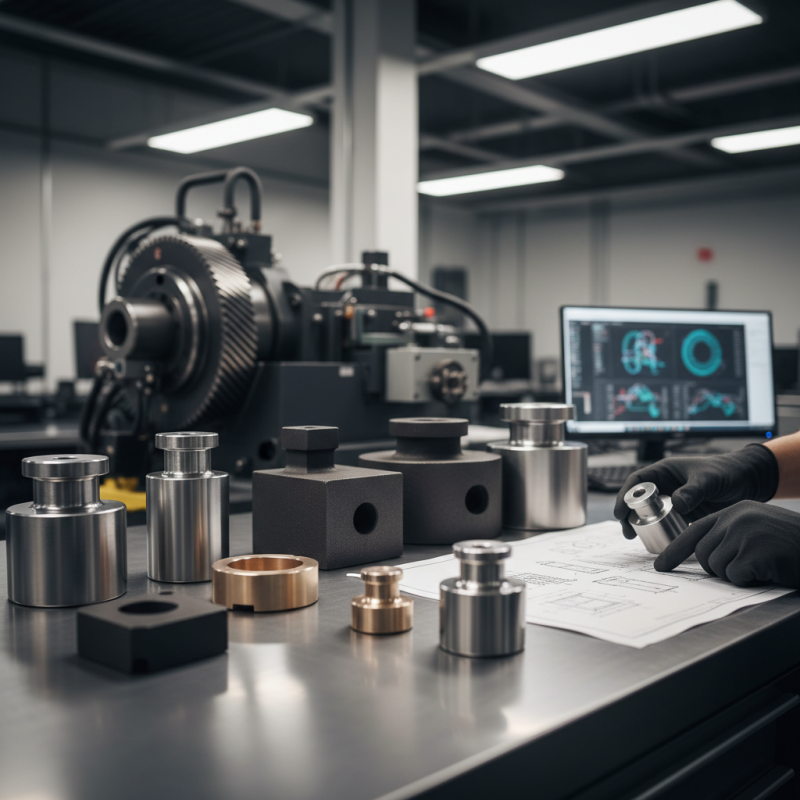
Understanding Precision Engineered Counterweights and Their Importance
Precision engineered counterweights are essential in various industries, from construction to aerospace. Understanding their importance is crucial for achieving balance and stability in machinery. These counterweights play a vital role in ensuring that equipment operates safely and efficiently. A miscalculated counterweight can lead to machinery failure or even accidents.
When selecting counterweights, consider specific dimensions and materials. The weight must match the machinery’s requirements. This precision impacts not only performance but also longevity. It’s essential to reflect on your needs carefully. Oversized or undersized weights can create complications. For example, excessive weight may cause undue strain on equipment. Conversely, inadequate weight may result in instability.
Moreover, the manufacturing process of these counterweights is critical. High-quality standards ensure durability and reliability. Always inquire about the testing protocols used. Understanding these details can guide you in selecting suitable counterweights. Reflect on the balance between cost and quality. Sometimes, the cheaper option may not provide the safety needed. Investing in the right counterweights can ultimately save time and resources.
Identifying Your Specific Needs for Counterweight Applications
When selecting precision engineered counterweights, understanding your specific needs is crucial. Start by assessing the load requirements of your machinery or equipment. Different applications demand varying weight capacities. For instance, some applications might need heavy counterweights for stability, while others may only require lighter options for balance.
Consider the environment where your counterweights will operate. Some might face extreme temperatures, requiring durable materials. Others could be exposed to moisture, raising the need for rust-resistant solutions. It's also important to evaluate how often you'll be adjusting these weights. Frequent adjustments call for easily manipulatable options.
Don’t overlook the benefits of consulting industry experts. They can provide insights into product performance and longevity. You may think any counterweight will suffice, but mismatch risks instability and can lead to safety concerns. Taking the time to analyze these aspects will enhance your decision-making process. Ensure that every parameter aligns with your operational requirements for optimal performance.
Key Factors to Consider When Selecting Counterweights
Choosing the right precision engineered counterweights requires careful consideration of various factors. Start by assessing the application. Different machines and operations demand specific counterweight designs. Think about the load requirements. The weight must counterbalance the operational load precisely.
Another vital factor is the installation environment. Outdoor settings may expose counterweights to harsh conditions. Materials should resist corrosion and wear. Weight distribution is also critical. An evenly distributed weight enhances stability and performance. A poorly distributed counterweight can lead to mechanical failures.
Consulting with experts can provide valuable insights. They can guide you on material choices and design specifications. Understanding the nature of your equipment and operational needs is crucial. Allow room for adjustments in your selection process. Sometimes, what seems ideal may not perform as expected in real applications. Testing and iterative feedback can lead to better results.
How to Choose Precision Engineered Counterweights for Your Needs
Evaluating Material Options for Counterweight Durability and Performance
When evaluating material options for counterweights, durability and performance are critical factors. Engineers often choose between steel, concrete, and composite materials. Steel offers strength and resistance to deformation, making it suitable for dynamic applications. However, it can be susceptible to corrosion if not properly treated. According to a report by the American Institute of Steel Construction, steel counterweights can last several decades with proper maintenance.
Concrete, on the other hand, provides high mass at a lower cost. It is resistant to environmental factors, but has lower tensile strength. Recent studies from the National Concrete Masonry Association highlight that concrete counterweights can endure harsh conditions while maintaining structural integrity. However, the flexibility in design might come at the expense of weight distribution accuracy.
Composite materials are emerging as viable alternatives, often praised for their lightweight and corrosion-resistant properties. Their versatility makes them suitable for specialized applications. Yet, some engineers express concerns over their long-term durability. Balancing cost with performance is challenging. Each material presents unique advantages and compromises. It’s essential to evaluate specific requirements before making a choice.
How to Choose Precision Engineered Counterweights for Your Needs? - Evaluating Material Options for Counterweight Durability and Performance
| Material Type | Density (g/cm³) | Tensile Strength (MPa) | Durability Rating | Cost per kg ($) |
| Steel | 7.85 | 400 | High | 2.5 |
| Cast Iron | 6.8 | 250 | Medium | 3.0 |
| Lead | 11.34 | 200 | Low | 4.5 |
| Concrete | 2.4 | 40 | Medium | 0.5 |
| Aluminum | 2.7 | 300 | High | 3.5 |
Installation and Maintenance Tips for Precision Engineered Counterweights
When it comes to maintaining precision engineered counterweights, attention to detail is crucial. Regular inspections ensure they remain in top condition. Check for wear and tear, especially on mounting points. Small cracks or corrosion can lead to bigger problems. If issues arise, address them promptly to avoid costly repairs or accidents.
Installation requires careful planning. Ensure the counterweights are aligned correctly with the machine’s specifications. Misalignment can cause uneven wear and instability. Take the time to measure distances and angles accurately. Each adjustment can make a difference in performance. Don't rush this process; it’s important to get it right.
Always follow the manufacturer's guidelines for maintenance schedules. Over time, counterweights can develop imbalances. Regular recalibrations can help. Sometimes this means seeking professional help. Understanding these aspects can enhance safety and efficiency. Reflection on past installations often reveals areas for improvement. Each experience teaches valuable lessons for future projects.





