How to Choose Oil Immersed Transformers for Your Projects?
Choosing the right Oil Immersed Transformers for your projects can be a complex task. Industry expert Dr. James Foster once stated, "Selecting the right transformer affects efficiency and longevity." This highlights the importance of careful consideration in this choice.
Oil Immersed Transformers are known for their durability and superior cooling properties. However, several factors influence their selection. These include voltage levels, load requirements, and installation conditions. Each project may have unique demands. It’s essential to understand how these factors interact.
Navigating this landscape requires a blend of expertise and practical knowledge. While many may overlook the importance of baseline specifications, they are crucial for optimal performance. Professionals should not shy away from examining real-world applications. Observing how similar projects utilized their transformers can provide valuable insights. Making informed decisions will lead to better project outcomes.
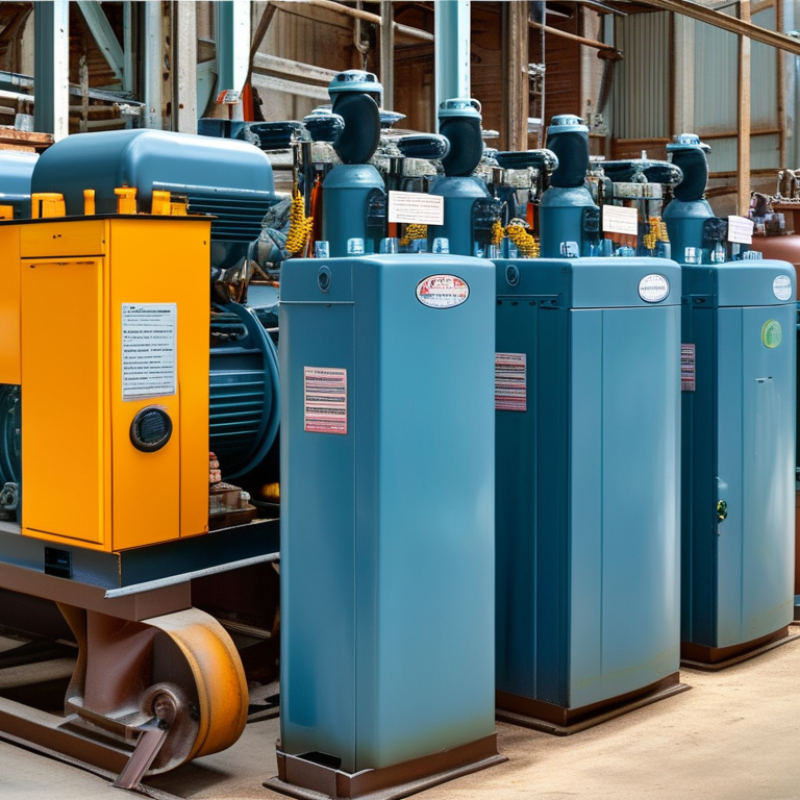
Understanding Oil Immersed Transformers and Their Applications
Oil immersed transformers are vital in various applications, including power distribution and industrial settings. They are filled with insulating oil that cools the system and enhances electrical insulation. Understanding these transformers is essential for selecting the right one for your project. Their design allows for efficient heat dissipation and reliability, making them suitable for high-load operations.
When choosing an oil immersed transformer, consider the environment. Keep in mind whether it will be installed indoors or outdoors. Outdoor transformers need enhanced protection against weather conditions. Assessing voltage requirements is also crucial. Ensure the transformer meets the power demands of the application while adhering to efficiency standards.
Maintenance is another significant aspect. Regular inspections help identify potential issues before they escalate. One should consider the availability of replacement parts and the ease of access to maintenance personnel. Managing these factors can ensure a longer lifespan for the transformer. Reflecting on past project experiences can provide insights into making better choices.
Key Specifications to Consider When Selecting Oil Immersed Transformers
When selecting oil immersed transformers, key specifications are essential for optimal performance. Factors such as voltage rating, capacity, and cooling method significantly influence the transformer's efficiency. The voltage rating should match your project’s needs precisely. Oversizing can lead to inefficiencies.
The capacity of the transformer, measured in kVA, must align with the expected load. An inadequate capacity might cause overheating and premature failure. Always calculate the expected load carefully to ensure reliability. Cooling methods, primarily through oil, enhance performance and prolong lifespan. High-quality insulating oil is crucial for heat dissipation.
Consider environmental conditions as well. Humidity and temperature fluctuations can impact transformer longevity. Assess the installation site thoroughly. Regular maintenance is equally important to address wear and tear. It's vital to monitor oil levels, insulation quality, and any potential leaks during this process.
Quality is not just a checklist item; it's a commitment. Your selections should reflect the project's long-term goals. Don't overlook regulatory standards as they guide essential safety protocols. Being diligent in these aspects can prevent costly mistakes down the line. This is a step worth taking for the sake of efficiency and safety.
Evaluating Voltage and Capacity Requirements for Your Projects
When selecting oil immersed transformers, it is crucial to evaluate voltage and capacity requirements thoroughly. Understanding the specific voltage needs of your project ensures operational efficiency and safety. According to the International Electrotechnical Commission, transformers must match the voltage level of the connected equipment. Mismatches lead to inefficient performance and potential damage.
Capacity is another critical factor. It refers to the transformer's ability to handle load without overheating. The IEEE standards recommend calculating load requirements based on expected demand fluctuations and peak loads. For example, a facility with a peak demand of 500 kVA may require a transformer rated at least 10-20% higher. This extra capacity accounts for unexpected spikes in power consumption.
It is essential, however, to reflect on these calculations. Overestimating capacity can lead to increased costs and energy waste. Moreover, practical limits exist. Environmental conditions and installation constraints may impact operational effectiveness. Hence, thorough site assessments are vital. Consulting with professionals in the field can provide insights that lead to better equipment choices tailored to specific project needs.
Assessing Environmental and Safety Standards for Transformer Use
When selecting oil immersed transformers, environmental and safety standards are paramount. The choice of transformer should comply with local regulations and environmental impact assessments. According to the International Electrotechnical Commission (IEC) standards, transformers should maintain low levels of polychlorinated biphenyls (PCBs), which can lead to severe ecological damage. Using non-toxic insulating oils is encouraged to minimize environmental risks.
Safety is another critical aspect. Transformers must meet stringent fire safety protocols. The National Fire Protection Association (NFPA) outlines guidelines for oil-filled equipment to reduce fire hazards. Proper containment measures and barrier systems are essential to prevent leaks or spills. Regular maintenance and inspections can be overlooked, leading to potential failures and unsafe conditions. The industry average indicates that 70% of transformer incidents are due to inadequate maintenance practices.
Considering the life cycle of a transformer is vital. How a transformer will impact its environment throughout its operational life influences selection. Environmental assessments should evaluate noise levels, heat emissions, and land use. Yet, many projects neglect comprehensive evaluations, risking long-term repercussions. Balancing cost-effectiveness with adherence to environmental guidelines often presents challenges. This complexity requires thoughtful engagement with specialists to ensure compliant and safe installation practices.
Environmental Impact of Oil Immersed Transformers
Comparing Cost, Efficiency, and Maintenance of Different Transformers
When selecting oil immersed transformers for various projects, cost, efficiency, and maintenance are critical factors. The initial purchase cost can vary significantly. Based on industry reports, the average cost of oil immersed transformers ranges from $10,000 to $50,000, depending on capacity and design. Choosing a less expensive option may lead to higher long-term costs due to efficiency losses and increased maintenance needs.
Efficiency plays a vital role in operational costs. According to the Electric Power Research Institute, higher efficiency transformers can save up to 30% on energy losses compared to traditional models. A transformer with a higher efficiency rating might have a higher upfront price. However, the overall savings in electricity costs can justify this investment over time. Engaging with energy model simulations can provide insights into potential savings.
Maintenance is another key consideration. Oil immersed transformers generally require more upkeep than dry-type transformers. Regular oil testing is crucial to detect potential issues early. Neglecting this can result in costly repairs or even catastrophic failures. While oil immersed transformers can operate for decades, a well-maintained unit offers reliability that outweighs the initial maintenance expenses. Data indicates that proactive maintenance can cut unscheduled downtimes by 25%. Each component of the decision-making process deserves careful evaluation for a successful project outcome.
How to Choose Oil Immersed Transformers for Your Projects? - Comparing Cost, Efficiency, and Maintenance of Different Transformers
| Transformer Type | Cost (USD) | Efficiency (%) | Maintenance Frequency (Years) | Lifespan (Years) |
| Standard Transformer | $10,000 | 95% | 5 | 30 |
| High Efficiency Transformer | $12,000 | 98% | 7 | 35 |
| Eco-Friendly Transformer | $15,000 | 96% | 6 | 40 |
| Compact Transformer | $9,000 | 92% | 4 | 25 |





