2026 How to Choose NBR PVC Rubber Foam Insulation?
Choosing the right insulation material can be challenging. NBR/PVC Rubber Foam Insulation stands out for various applications. Its versatility makes it a preferred choice in both residential and commercial projects.
This insulation type effectively reduces noise and temperature fluctuations. It offers excellent thermal resistance. However, some users report confusion over its specific types and features. Understanding these nuances is crucial for making an informed decision.
When you evaluate NBR/PVC Rubber Foam Insulation, consider factors like thickness, density, and flexibility. Improper selection can lead to suboptimal performance. Take your time to explore the options available. Look for reliable suppliers who provide detailed product specifications. With careful research, you can ensure your insulation choice meets both your needs and industry standards.
Understanding NBR PVC Rubber Foam Insulation and Its Applications
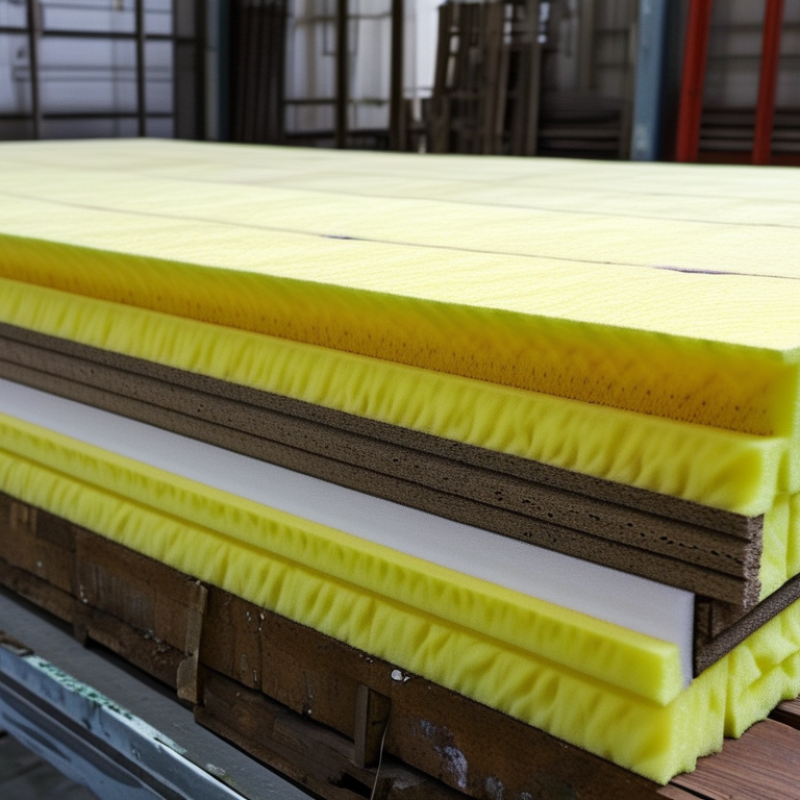
NBR PVC rubber foam insulation is a versatile material used in various applications. Its combination of nitrile and polyvinyl chloride offers excellent thermal properties. This insulation product resists moisture, ensuring durability in demanding environments. It is widely used in HVAC systems, refrigeration, and pipe insulation. The lightweight nature of NBR PVC foam makes installation easier without sacrificing performance.
Understanding the specific applications of NBR PVC foam is crucial. For example, in commercial buildings, it can reduce energy costs while enhancing comfort. In industrial settings, it safeguards pipes from external conditions. The material is also effective in soundproofing, lessening noise pollution in busy areas.
Nevertheless, selecting the right thickness and density requires careful consideration. Not every project will benefit from the same specifications. When choosing insulation, one must reflect on the environment. Consider temperature fluctuations and humidity levels.
Users often underestimate the importance of proper installation techniques. Mistakes during installation can lead to significant energy loss. Keeping these factors in mind will help ensure optimal performance and reliability for any insulation project. Attention to detail is key.
Key Characteristics of NBR PVC Rubber Foam to Consider
When choosing NBR PVC rubber foam insulation, consider several key characteristics. First, the thermal conductivity is crucial. Studies indicate that NBR PVC foam often has a thermal conductivity ranging from 0.035 to 0.045 W/m·K. This makes it effective at reducing heat transfer, making it ideal for energy-efficient applications.
Another important factor is flexibility. NBR PVC foam is known for its flexibility and resilience, allowing it to fit snugly around various shapes. Its density typically ranges from 30 to 50 kg/m³, which provides good sound absorption and vibration dampening. However, flexibility can also lead to potential durability issues in extreme conditions. Users should evaluate the specific environmental factors their insulation will face.
Moisture resistance is another key aspect. Data from industry reports suggest that NBR PVC foam has a closed-cell structure, making it resistant to moisture absorption. This characteristic is vital in applications where insulation may be exposed to humidity or water. However, not all products guarantee the same level of moisture resistance. It’s essential to check manufacturer specifications to ensure reliable performance.
Key Characteristics of NBR PVC Rubber Foam Insulation
Factors to Evaluate When Choosing NBR PVC Rubber Foam Insulation
When selecting NBR PVC rubber foam insulation, several factors come into play. The first is thermal resistance. This insulation must provide adequate protection against heat transfer. Look for materials with a high R-value. This value indicates heat resistance capabilities that can enhance energy efficiency.
Another important factor is flexibility. NBR PVC rubber foam is often used in irregular spaces. Its ability to compress and expand without losing integrity is essential. Ensure the chosen insulation can handle both high and low temperatures. This characteristic will ensure it performs well in diverse conditions.
Tips: Always check for certifications. This adds credibility to the insulation choice. Examine the installation process too. A complex install can lead to errors. Ensure you’re confident in your ability to apply it correctly. Choosing the right thickness also matters. Thicker insulation can offer higher energy savings, but it’s essential to balance performance with installation feasibility.
Comparing NBR PVC Rubber Foam with Other Insulation Materials
When considering insulation options, NBR PVC rubber foam stands out for its unique properties. This material effectively combines flexibility with thermal insulation. It serves well in various applications, such as HVAC systems and refrigeration. However, it is important to compare it to alternative insulation materials to understand its advantages and limitations.
When compared to traditional fiberglass insulation, NBR PVC rubber foam offers greater resistance to moisture. It has a closed-cell structure that prevents water absorption. This makes it ideal for environments prone to humidity. Fiberglass, on the other hand, can lose its efficiency when wet. Still, fiberglass is generally cheaper. This price factor might be essential for budget-conscious projects.
Another contender is polyurethane foam. Both materials provide excellent thermal resistance. However, NBR PVC foam is more flexible and easier to install. It requires less equipment and fewer precautions compared to polyurethane. Yet, it may not offer the same high R-value as polyurethane. Finding the right balance between insulation efficiency, cost, and ease of installation will depend on the specific needs of your project. Consider these elements carefully to make an informed decision.
Tips for Proper Installation and Maintenance of NBR PVC Rubber Foam
When installing NBR PVC rubber foam insulation, proper techniques ensure both effectiveness and longevity. The material stands out due to its excellent thermal resistance and soundproofing properties. According to industry studies, correctly installed insulation can reduce energy costs by up to 30%. However, improper handling can diminish these benefits significantly.
Before installation, assess the area you plan to insulate. Clean surfaces are crucial for adhesion. The report from the Insulation Contractors Association indicates that improper surface preparation leads to a 15% decrease in insulation performance. Use a sharp cutting tool for precise measurements; jagged edges can become weak points. Ensuring a snug fit minimizes air gaps, which can otherwise lead to energy loss.
Post-installation, regular maintenance is vital. Inspect insulation annually for wear or damage. A study from the Energy Efficiency Partnership highlighted that neglecting regular checks can increase energy expenditure by 20% due to unnoticed deterioration. Ensure clear access for inspections to avoid missing seemingly minor issues. Reflect on your setup periodically—small adjustments can lead to significant energy savings and improved performance over time.