Why Choose Hydraulic Pilot Valves for Your Business Needs?
In today's competitive industrial landscape, choosing the right components for operations is crucial. Hydraulic Pilot Valves play a pivotal role in ensuring efficiency and reliability. These valves control the flow of hydraulic fluids, impacting overall system performance. By leveraging advanced technology, they offer precision control over machinery and processes.
However, while many businesses recognize the importance of Hydraulic Pilot Valves, not all understand their potential. It's easy to overlook the unique advantages they provide. Choosing the right valve can mean the difference between smooth operation and costly downtime. In this complex environment, it is vital to consider factors like response time, pressure ratings, and compatibility with existing systems.
Understanding these details is essential for making informed decisions. Ultimately, incorporating Hydraulic Pilot Valves can enhance productivity, reduce maintenance costs, and improve safety. However, businesses must also be aware of their limitations and operational requirements. Reflecting on these aspects can guide companies to make better choices.
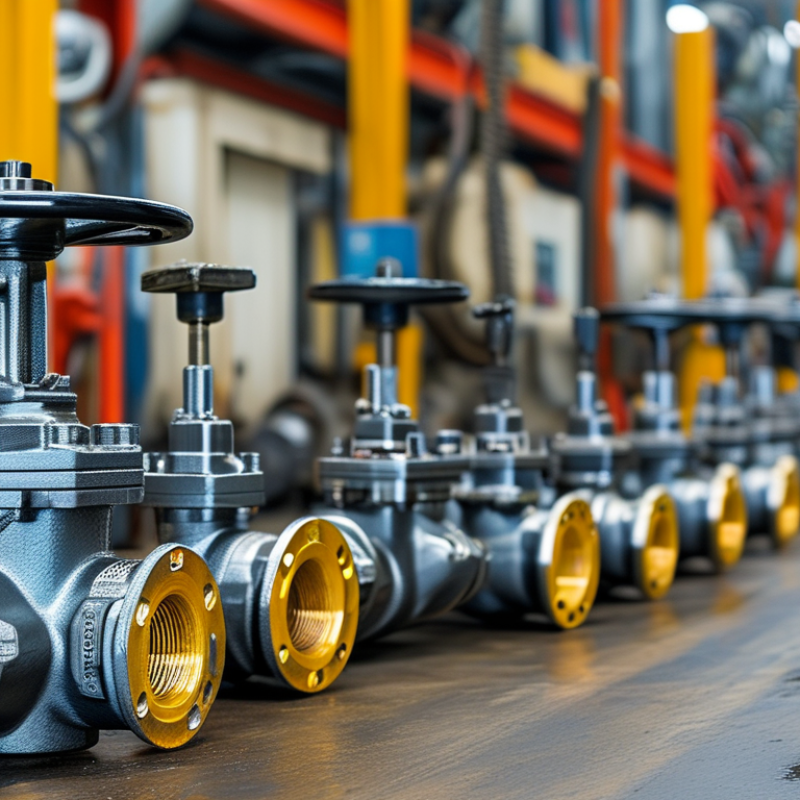
Understanding Hydraulic Pilot Valves: Basic Principles and Functions
Hydraulic pilot valves play a crucial role in modern hydraulic systems. They serve as the control mechanism, regulating the flow of hydraulics with precision. Their basic function is to amplify a small signal to control larger hydraulic devices. Understanding how they operate can significantly impact your business operations.
These valves usually consist of a control element and a hydraulic actuator. The control element receives a signal, which can be electric or pneumatic. This signal adjusts the position of the actuator, allowing for fine control of hydraulic flow and pressure. A well-tuned pilot valve ensures better efficiency and responsiveness in hydraulic systems.
Tip: Regular maintenance is key. Check for leaks or blockages that can slow down performance.
For industries reliant on hydraulics, choosing the right pilot valve can be vital. The wrong specification can lead to inefficiencies. Additionally, consider the environment where the valve will operate. High temperatures or corrosive substances can affect performance.
Tip: Always consult professionals when making selections. Their expertise can help avoid costly mistakes.
Advantages of Hydraulic Pilot Valves in Industrial Applications
Hydraulic pilot valves offer numerous advantages in industrial applications. Their precision and efficiency can lead to smoother operation and enhanced control in hydraulic systems. These valves help manage fluid flow effectively, which reduces energy consumption. As a result, businesses can achieve better productivity while minimizing costs.
For those considering hydraulic pilot valves, one key benefit is their ability to respond quickly to system changes. This rapid reaction can improve the safety and reliability of operations. It is especially important in heavy machinery applications. Ensuring that equipment responds without delay can prevent accidents and costly downtime.
Tips: Always assess the compatibility of hydraulic pilot valves with your existing systems. Often, older equipment may need upgrades. Regular maintenance is crucial. Check for any signs of wear or leakage to ensure optimal performance. By staying proactive, businesses can prolong the life of their hydraulic systems and improve overall functionality.
Key Features to Consider When Selecting Hydraulic Pilot Valves
When selecting hydraulic pilot valves, consider several key features. The flow rate is crucial. It affects the speed and efficiency of your system. Too low a flow rate can slow down operations. Conversely, excessive flow can lead to pressure spikes. An optimal flow rate ensures balanced performance.
Next, look at the valve's material. It should withstand the operating conditions of your system. Common materials include stainless steel and brass. Each has its pros and cons. Stainless steel is durable but can be more expensive. Brass offers a cost-effective solution but may corrode under harsh conditions.
Don't overlook actuator compatibility. The valve must work well with your specific actuator type. Mismatched components can lead to inefficiencies. Lastly, consider the ease of maintenance. Regular checks keep your system running smoothly. Complicated designs might require specialized tools or skills, which could complicate upkeep.
Comparative Analysis: Hydraulic Pilot Valves vs. Mechanical Valves
When comparing hydraulic pilot valves with mechanical valves, the differences become clear. Hydraulic pilot valves are known for their precision and responsiveness. They can control fluid flow with great accuracy, making them ideal for complex systems. According to a recent industry report, these valves can improve system efficiency by up to 30%. This is crucial for businesses focusing on optimizing operations.
Mechanical valves, while reliable, often lack the same level of precision. They are usually more straightforward but can struggle with complex modulation. The response time can be inconsistent, particularly under varying conditions. A study by the International Journal of Fluid Engineering indicated that mechanical valve systems could experience a 15% drop in performance during peak loads.
Hydraulic pilot valves, however, require careful installation and maintenance. Their reliance on hydraulic pressure makes them sensitive to system changes. Regular calibration is necessary, which can add to operational costs. These factors should not be overlooked. While hydraulic valves offer many advantages, the complexity may deter some users. Each business must assess their specific needs and capacities.
Comparison of Hydraulic Pilot Valves and Mechanical Valves
Maintenance Practices for Ensuring Optimal Performance of Pilot Valves
Proper maintenance of hydraulic pilot valves is essential for their performance. Regular inspections help detect wear or damage early. Checking seals and connections can prevent leaks. These tasks ensure the valves operate effectively.
It's important to maintain proper fluid levels. Low fluid levels can cause erratic valve behavior. Fluid quality also matters. Contaminated fluid can lead to valve failure. Using the right filtration methods can prevent this issue.
Periodic testing of valve responsiveness is crucial. Testing helps identify signs of sluggish performance. If a valve does not respond as expected, it may need recalibration or replacement. Addressing these issues promptly can save costs and ensure system reliability. Ignoring small problems could lead to bigger failures later.





