How to Choose Hydraulic Couplers 7 Essential Tips
Hydraulic Couplers may look like small fittings, but one poor choice can cause leaks, pressure loss, or difficult tool changes. The right coupler must suit the equipment, working pressure, flow rate, fluid, and environment. A fitting that connects easily is not automatically a safe match. Details matter.
Fluid-power educator John S. Cundiff has written extensively about hydraulic systems. A practical principle reflected in that work is: “Choose components for the system’s operating demands, not appearance alone.” This is a paraphrase, not a verified direct quotation. It captures an important selection habit: check the manufacturer’s specifications instead of relying on thread size or appearance.
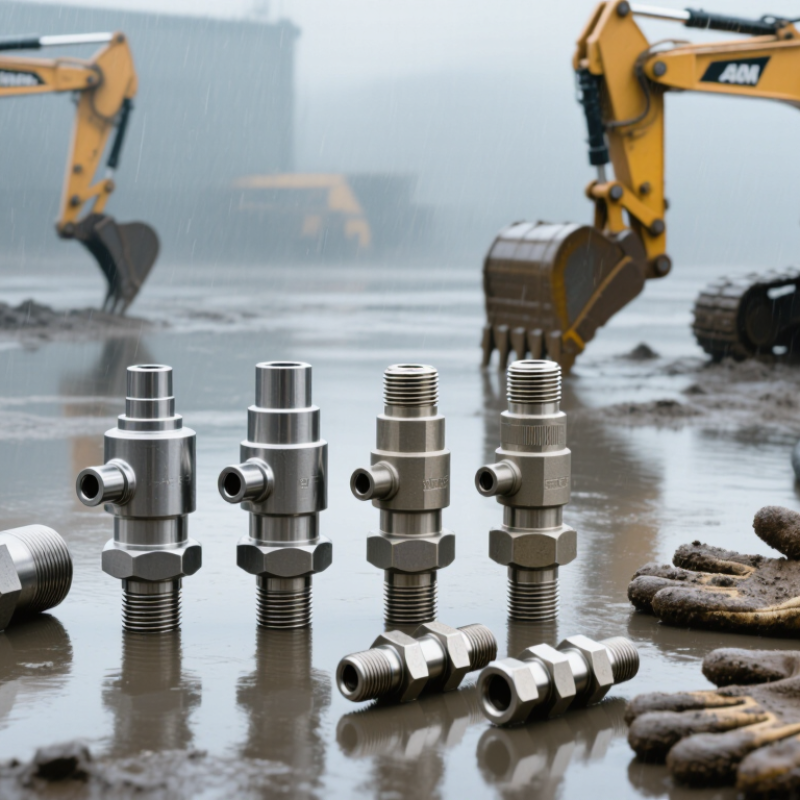
This guide covers seven essential tips for choosing Hydraulic Couplers, from connection style and pressure ratings to materials and maintenance. Imagine a loader working in cold rain, with muddy gloves and frequent attachment changes. Those conditions can affect which coupler design is practical. So can pressure spikes, contamination, and limited service access. The best choice depends on the actual machine and its duty cycle. Even experienced buyers can overlook a detail. Verify compatibility before installation, and consult the equipment or coupler manufacturer when specifications are unclear.
Understanding Hydraulic Coupler Types and Their Applications
Hydraulic couplers link hoses and equipment, but their designs suit different jobs. Quick-disconnect couplers allow fast connection and release, making them common on attachments that change during a workday. Flat-face couplers help limit fluid spills and make exposed surfaces easier to wipe clean. They are useful where dust or debris could enter an open connection. Threaded screw-to-connect couplers resist separation under demanding conditions, though they take longer to connect. Push-to-connect styles are convenient, but they still need to match the equipment’s pressure and flow requirements. These types are not interchangeable. Small differences matter.
Choose a coupler by checking the machine manual and the existing fittings, not by appearance alone. Compare pressure ratings, flow capacity, connection size, fluid compatibility, and operating temperature. Seal material matters too; the wrong seal may wear or leak sooner than expected. In dusty work areas, clean both halves before connecting. A flat-face design can reduce mess, but it cannot make a dirty connection safe. For a loader attachment used throughout the day, quick connection may save time; a high-pressure circuit may call for a more secure threaded style. Compatibility charts help, but they do not replace checking the actual fitting. That extra check can feel fussy. It is still worthwhile.
Checking Pressure, Flow, and Temperature Requirements
A coupler must match the circuit’s working pressure, including pressure spikes—not just the gauge reading at idle. Record peak pressure during startup and loaded operation, then compare it with the coupler’s rated working pressure. ISO 4413:2010 addresses hydraulic-system safety, including pressure-limiting measures; ISO 7241:2014 specifies performance and interchangeability requirements for hydraulic quick-action couplings. These standards offer useful checks, but they do not replace the machine’s operating data. A 25 L/min circuit at 180 bar is only an example, not a universal selection point.
Flow matters just as much. An undersized passage can increase pressure loss, heat, and sluggish movement. Check the actual flow rate and the coupler’s flow-versus-pressure-drop data, where available. Then check temperature across the full duty cycle, including cold starts and sustained work. Fluid viscosity changes with temperature, so a coupler suitable at room temperature may behave differently when hot. Compare the stated temperature range with the fluid and seal requirements. Small detail, big consequence.
A practical field check is to log pressure, flow, and fluid temperature under the same operating conditions. Record units and measurement locations; readings taken at different points can mislead. I have seen selection checks focus on nominal pressure and overlook brief spikes. That is an easy mistake. Document the assumptions, then verify the chosen coupler’s ratings against the machine data and the applicable ISO requirements.
Matching Coupler Materials, Seals, and Connection Sizes
Choose coupler body material around the fluid, environment, and duty cycle. Carbon steel suits many general-purpose systems, while stainless steel can resist corrosion in wet or washdown areas. Brass may fit lower-pressure applications, but confirm its pressure rating and fluid compatibility. Seal choice matters just as much. Nitrile, fluorocarbon, and EPDM compounds behave differently with oils, heat, and water-based fluids; check the fluid maker’s compatibility chart and the coupler’s stated temperature range. No seal is universally suitable. I would verify both before ordering.
Connection size is more than thread diameter. Match the thread form, sealing method, nominal flow, and pressure rating; a near match can leak or restrict flow. ISO 7241 and ISO 16028 specify distinct hydraulic quick-coupling interfaces, so do not assume same-size parts interchange. Keep it clean. ISO 4406:2021’s particle-count table shows that code 18/16/13 represents 1,300–2,500 particles per millilitre at ≥4 μm(c), 320–640 at ≥6 μm(c), and 40–80 at ≥14 μm(c). That data describes fluid cleanliness, not a coupler limit, but contamination can score seals and obstruct valves. Cap disconnected ends, and inspect mating faces for grit before connection. I still recheck thread details; catalogs can make this step look easier than it is.
Evaluating Safety Features, Compatibility, and Ease of Use
When choosing a hydraulic coupler, treat safety as a working requirement, not a feature on a sales sheet. Check the rated pressure and temperature against the machine’s actual operating range. A coupler that appears sound may still leak if its seal is worn or damaged. Inspect mating faces for dirt, scratches, and trapped metal particles. Keep hands clear of pressurized connections, and relieve system pressure according to the equipment instructions before connecting or disconnecting. Small details matter.
Compatibility involves more than matching the hose diameter. Confirm the connection type, thread, flow capacity, fluid compatibility, and pressure rating. Even similar-looking threads may not fit correctly. A mismatched connection can cause leaks, restrict flow, or damage equipment. Compare specifications from the hose and coupler documentation rather than relying on appearance alone. If a detail is unclear, pause and verify it.
Ease of use matters during repeated work, especially when operators wear gloves or have limited access. Look for clear alignment, a secure locking action, and a release mechanism that does not require awkward force. Try the connection with the system safely depressurized. It should engage smoothly. Dust caps and clean storage also help prevent contamination between uses. A lighter coupler can feel convenient, though ease of handling should never outweigh the correct rating or fit.
Comparing Maintenance Needs, Standards, and Total Cost
Hydraulic couplers can look interchangeable on a workbench, yet small differences affect service life and downtime. Check the required pressure, flow, temperature, and connection frequency against the machine’s actual duty cycle. ISO 16028 covers flat-face quick-action couplings, while ISO 7241 addresses dimensions and interchangeability for hydraulic couplings. Confirm the applicable series and size; matching threads alone does not guarantee a compatible, safe connection. Fit still matters.
Maintenance needs show up in ordinary details: a nicked seal, dust on a flat face, or a sleeve that sticks with gloves on. Inspect for leaks and wear during routine service, and cap disconnected halves to limit contamination. Small leaks matter. The U.S. Department of Energy’s Operations & Maintenance Best Practices Guide reports that effective facility maintenance programs commonly save 5–20% in energy versus poorly maintained facilities. That is not a coupler-specific saving, but it underscores why maintenance condition belongs in lifecycle estimates.
Compare total cost over the expected service period, not just the purchase price. Include replacement seals, cleaning time, fluid loss, labor, and downtime when a connection fails in the field. A coupler that costs less upfront may need more frequent attention; the reverse can also be true. Track actual service intervals and leak repairs, then revise estimates. Records are imperfect, but even a simple log beats relying on memory.