2026 How to Choose High Voltage Switchgear for Your Needs?
Choosing the right High Voltage Switchgear can significantly impact the safety and reliability of electrical systems. As industry expert John Smith emphasizes, “Selecting the appropriate switchgear is crucial for operational stability.” His insights highlight the importance of understanding both your specific needs and the capabilities of available switchgear.
When considering High Voltage Switchgear, various factors come into play. First, it is essential to assess the voltage level and the type of application. Not all switchgear fits every purpose. For instance, power plants may require different specifications compared to industrial facilities. The choice can become overwhelming, and it's easy to overlook critical details.
Moreover, durability and maintenance are vital aspects. A switchgear needs to withstand environmental extremes. However, maintenance requirements can vary widely. This often leads to decisions based on initial cost rather than long-term value. Reflecting on these considerations is crucial. Every choice in switchgear affects the overall performance of electrical infrastructure. A well-informed decision can lead to enhanced efficiency and safety in the long run.
Understanding High Voltage Switchgear: Key Components and Functions
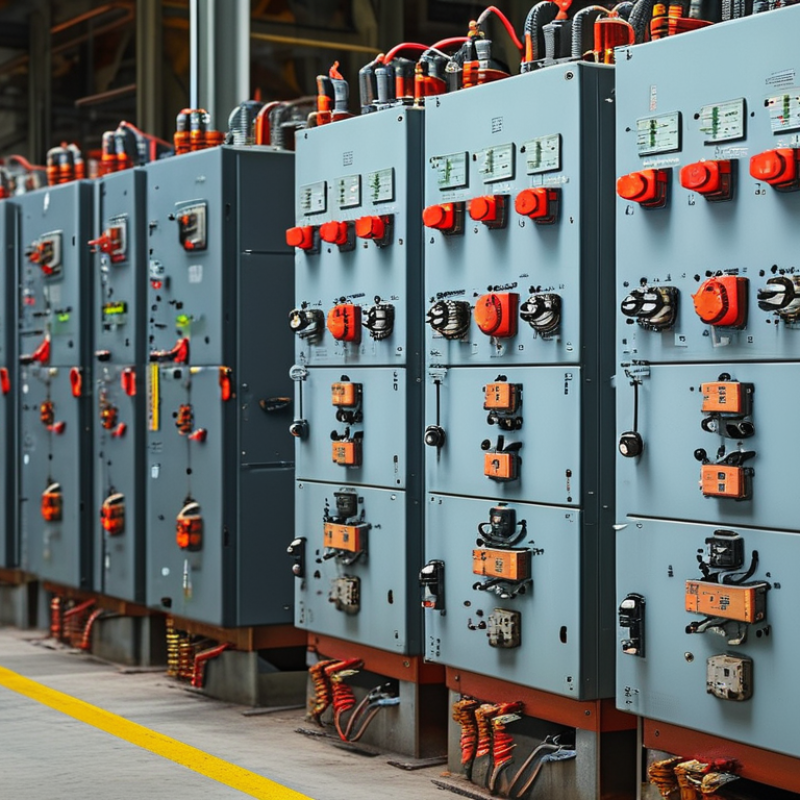
High voltage switchgear is crucial in electrical systems. Understanding its key components can help users make informed decisions. At its core, switchgear includes circuit breakers, disconnectors, and protective relays. Circuit breakers interrupt power when faults occur, safeguarding the system. Disconnectors isolate electrical circuits for maintenance, ensuring safety.
Protective relays monitor conditions in the system. They detect abnormalities and trigger circuit breakers. This immediate response is vital in preventing cascaded failures. Additionally, busbars serve as conduits for electrical distribution, connecting various parts of the system. Each component needs careful selection based on the specific application and environment it operates in.
Users must critically assess their needs. Consider factors like current ratings, voltage levels, and environmental conditions. An incorrect choice can lead to inefficiencies or failures. Reflecting on past experiences can guide better decisions. Evaluating the interdependence of components fosters a deeper understanding of the whole system.
Assessing Your Power Needs: Determining Voltage and Current Requirements
When considering high voltage switchgear, assessing your power needs is crucial. Start by determining your voltage requirement. High voltage usually refers to voltages above 1,000 volts. Understanding whether you need medium or high voltage is essential for making informed decisions.
Next, evaluate your current requirements. Identify the maximum load your system needs to handle. This number can fluctuate based on peak demand. Consider future expansions too. Have you thought about how your needs may change over time? Be proactive in your analysis.
Lastly, reflect on your specific applications. Each industrial sector has different standards. Some may require more robust protection features. Why not consult with experts if unsure? Their insights can be invaluable to ensure the switchgear will perform as expected. It's about fitting the right solution to your unique challenges in power management.
Evaluating Different Types of High Voltage Switchgear Solutions
When choosing high voltage switchgear, it's essential to evaluate different types of solutions available. These solutions vary in design, application, and functionality. For instance, air-insulated switchgear (AIS) offers robustness and ease of maintenance, making it suitable for a wide range of applications. However, it can take up significant space, which may not be ideal for all projects.
On the other hand, gas-insulated switchgear (GIS) provides a compact solution for environments with limited space. Its insulated design allows for efficient operation while reducing maintenance needs. Yet, the initial costs can be higher, leading to deeper reflection on budget constraints. It is vital to weigh these options carefully.
Each type presents its own set of advantages and challenges. Understanding your specific energy needs is crucial. Make sure to consider the local regulations, environmental conditions, and your long-term operational goals. Engaging with professionals can also help navigate the complexities involved.
Safety and Compliance: Standards and Regulations to Consider
When selecting high voltage switchgear, understanding safety and compliance is crucial. Various standards guide the design and use of switchgear in power distribution systems. The International Electrotechnical Commission (IEC) sets many of these norms, including IEC 62271, which outlines performance requirements for high voltage equipment. Compliance with these standards ensures reliability and safety in operations.
Regularly reviewing applicable regulations is essential. For instance, the National Electrical Manufacturers Association (NEMA) provides guidelines that further detail safety practices. A recent industry report indicates that compliance lapses can lead to increased failure rates in switchgear, impacting overall system performance by up to 30%. Understanding these standards protects not only equipment but also personnel involved in operations.
**Tip:** Always consult with experts when interpreting safety standards. Their insights can clarify complex compliance issues.
Choosing the right switchgear means considering various environmental factors. Ratings for temperature, humidity, and pollution levels must align with operational settings. A well-documented case study highlights failures linked to inadequate pollution management that led to costly downtime.
**Tip:** Document all compliance checks thoroughly. This practice can mitigate risks and serve as a reference in future assessments.
2026 High Voltage Switchgear Compliance Analysis
This bar chart represents the compliance levels of different high voltage switchgear types according to various safety standards. The focus is on understanding how well these switchgears meet essential regulations which are crucial for operational safety.
Budgeting for High Voltage Switchgear: Cost Factors and Lifespan Analysis
When budgeting for high voltage switchgear, understanding cost factors is crucial. Many elements influence pricing, such as design complexity, materials, and technology used. Common choices include metal-clad or air-insulated configurations, each with unique benefits and costs. Installing advanced monitoring features can add to the total but enhance reliability and efficiency.
Lifespan analysis is another essential aspect. Many switchgears last between 20 to 40 years, depending on maintenance and operational conditions. Age can impact performance, leading to higher operational costs over time. Regular inspections and upgrades should be factored into the budget. This proactive approach can prevent unexpected expenses, offering better long-term value.
Budgeting also requires reflection on current and future needs. Overestimating requirements can lead to overspending. Conversely, underestimating may result in inadequate service. Tailoring purchases to specific operational demands is key. Understanding these dynamics fosters a smarter investment and more reliable operation in the long run.
2026 How to Choose High Voltage Switchgear for Your Needs? - Budgeting for High Voltage Switchgear: Cost Factors and Lifespan Analysis
| Parameter | Description | Cost Factor (USD) | Typical Lifespan (Years) |
| Type | Air Insulated Switchgear (AIS) | $50,000 - $150,000 | 30 |
| Type | Gas Insulated Switchgear (GIS) | $120,000 - $300,000 | 40 |
| Maintenance Costs | Annual Maintenance | $5,000 - $15,000 | - |
| Installation Costs | Site Preparation and Installation | $10,000 - $50,000 | - |
| Decommissioning Costs | Costs to Safely Remove Old Equipment | $15,000 - $40,000 | - |
| Total Estimated Cost | Initial Purchase + Installation + Maintenance + Decommissioning | $200,000 - $600,000 | - |





