


How to Choose Heavy Duty Magnet Clips in 2026?

Choosing Magnet Clipsheavy Duty in 2026 requires more than checking a package’s advertised holding force. A clip supporting a steel tool panel faces different risks from one holding warehouse labels. Surface thickness, air gaps, coating, vibration, and sideways loading can quickly reduce performance. The U.S. Department of Energy’s Critical Materials Assessment identifies permanent magnets as strategically important technologies, while the International Energy Agency reports that rare-earth demand is closely connected to clean-energy and advanced manufacturing growth. These reports describe the wider magnet industry, not clip performance specifically. That limitation matters.

Magnetism researcher Dr. David Jiles offers a useful principle: “Magnetic performance depends on the material, geometry, and operating conditions.” Buyers should apply it practically. Test a loaded clip on the exact painted cabinet, refrigerator door, or steel rack. Leave a safety margin. A 50-kilogram rating may not mean 50 kilograms in a sideways position.

Look for ferrite or neodymium construction, a protective coating, a steel backing plate, and a clearly stated pull-force test method. Check temperature limits and corrosion resistance, especially in workshops or humid storage rooms. Do not trust impressive numbers alone. Real installations are rarely perfect. Even experienced purchasers sometimes overlook vibration, uneven surfaces, or repeated removal.

Industry forecasts from Grand View Research and MarketsandMarkets indicate continued demand for permanent magnets across industrial applications. Yet buyers still need product-level evidence. In this guide, we examine testing, materials, load ratings, safety factors, and practical selection mistakes before recommending any Magnet Clipsheavy Duty solution.
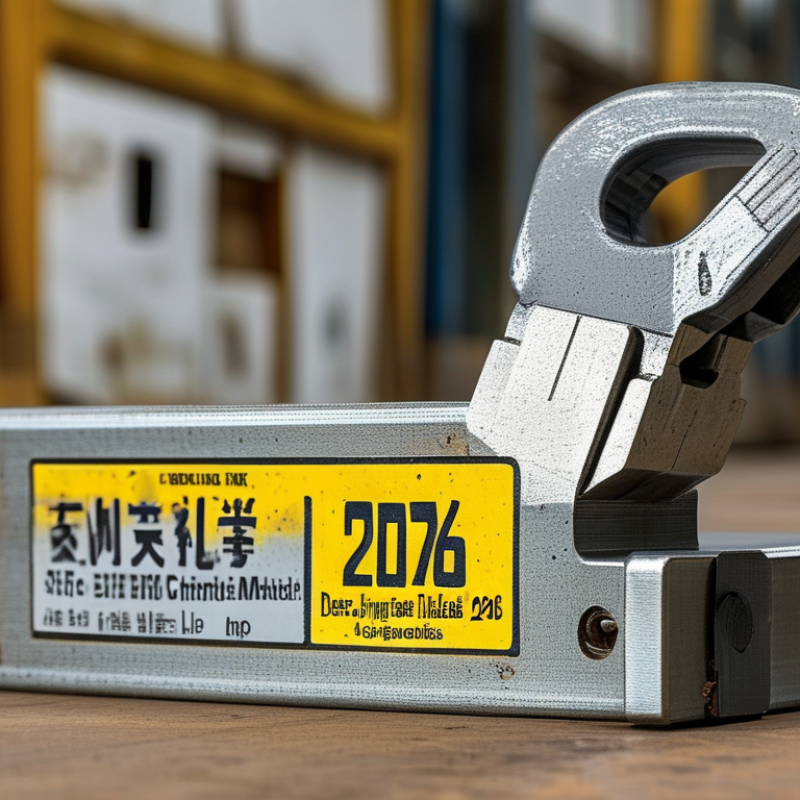
How to Choose Heavy Duty Magnet Clips in 2026?

What Heavy Duty Magnet Clips Are and How They Work

How to Choose Heavy Duty Magnet Clips in 2026?

Heavy duty magnet clips combine a permanent magnet, a steel backing plate, and a gripping jaw. The magnet creates a magnetic field that closes through ferrous metal, such as a filing cabinet or steel shelf. The clip then holds paper, labels, cables, or light tools. A stronger magnet is not always better. The steel surface, air gap, paint thickness, and pulling direction can reduce holding force sharply.

Magnet material matters. Neodymium magnets offer high strength in a small size, while ferrite magnets usually cost less and resist corrosion better. The U.S. Geological Survey’s Mineral Commodity Summaries 2025 estimated global rare-earth mine production at about 390,000 metric tons in 2024. That figure shows why material sourcing and supply stability deserve attention in 2026. It does not prove that every neodymium clip is superior.

Check the rated holding force carefully. Manufacturers often measure it on a thick, clean steel plate under ideal conditions. Real use is messier. A dusty cabinet, a plastic coating, or a sideways load may cut performance substantially. I once trusted a large rating and ignored the clip’s weak hinge. That was a poor choice. Look for a protective coating, a reinforced jaw, and a tested load rating with safety margin. The International Organization for Standardization’s ISO 9227 salt-spray method can also help compare corrosion testing, although laboratory exposure is not identical to daily use. Test the clip on your actual surface. Small details decide reliability.

How to Choose Heavy Duty Magnet Clips in 2026? - What Heavy Duty Magnet Clips Are and How They Work

Selection Dimension Typical Options or Range How It Affects Performance Recommended Choice
What a heavy-duty magnet clip is A clip, hook, or clamp combined with a permanent magnet assembly The magnet attaches to ferromagnetic surfaces such as steel; the clip holds papers, cables, signs, tools, or light fixtures Choose a clip whose magnet and mechanical parts are both rated for the intended load
Magnet material Neodymium-iron-boron or ceramic ferrite Neodymium provides high magnetic strength in a compact size; ferrite is generally less powerful but economical and resistant to demagnetization in many applications Select neodymium where space and high holding force matter; select ferrite for larger, lower-cost assemblies
Nominal holding force Common clip assemblies range from approximately 2 to 50 kgf under ideal pull-off testing Advertised force is normally measured against clean, thick, flat mild steel with direct contact; real-world capacity is often lower Use a safety factor of at least 2 for static loads and more for vibration, impact, or overhead mounting
Load direction Direct pull-off, sliding or shear, angled, and overhead loads A magnet usually resists direct pull-off better than sliding; side loads can be reduced by dust, paint, oil, or a low-friction surface Use multiple clips, a mechanical stop, or a rubberized contact pad for sliding and overhead applications
Contact surface Clean bare steel, painted steel, textured metal, or a thin sheet Air gaps and nonmagnetic coatings reduce magnetic coupling. Stainless steel may be weakly magnetic or nonmagnetic depending on its grade Test the clip on the actual surface and keep the contact area clean, flat, and free of debris
Magnet coating Nickel, epoxy, zinc, or a protected steel housing Coatings and housings help protect the magnet from corrosion, chipping, and handling damage; damaged coatings can expose neodymium to moisture Use an enclosed or epoxy-protected design in humid, outdoor, or washdown environments
Operating temperature Many standard neodymium magnets are rated around 80°C; high-temperature grades may be rated from about 120°C to 200°C. Ceramic ferrite commonly tolerates higher temperatures than standard neodymium Excess heat can permanently reduce magnetic strength, especially in standard neodymium magnets Check the complete clip assembly rating, not only the magnet grade, before using it near heat sources
Clip mechanism Spring clamp, binder-style jaw, hook, loop, or rotating clamp The clip determines how easily items can be inserted and whether the load is held securely during movement Choose wide jaws for documents and soft materials; choose a hook or closed loop for cables and hanging accessories
Jaw opening and throat depth Common openings are approximately 5 to 25 mm, depending on the clip design A small opening may not fit thick boards, layered materials, or bundled cables Measure the thickest item and add clearance before selecting the jaw size
Protective contact pad Bare metal, rubber, silicone, or polymer pad Pads can reduce scratching and improve friction, but any extra gap may reduce magnetic holding force Use a thin, high-friction pad when surface protection is important; verify the reduced holding capacity
Environmental exposure Indoor dry areas, humid rooms, outdoor locations, dust, oil, or occasional splash Moisture may corrode unprotected neodymium; dust and oil create an air gap and lower usable force Select sealed construction and corrosion-resistant hardware for demanding environments
Safety and handling Static, moving, overhead, or public-facing installation Strong magnets can pinch fingers, damage magnetic media, interfere with some medical devices, and attract unexpectedly Secure critical loads mechanically and keep strong magnets away from sensitive equipment and individuals with implanted medical devices

Note: Holding-force values are comparative estimates for typical permanent-magnet clip assemblies. Actual capacity depends on magnet geometry, steel thickness and grade, contact area, air gap, surface condition, load direction, temperature, and the clip’s mechanical strength. Always verify the manufacturer’s test method and test the assembled clip under the intended conditions.


Key Specifications to Compare Before Choosing

How to Choose Heavy Duty Magnet Clips in 2026?

Key Specifications to Compare Before Choosing

“Heavy duty” is not a universal specification. Compare holding force in newtons or kilograms, not the label alone. A 2025 U.S. Geological Survey report estimated 2024 rare-earth mine production at about 390,000 metric tons of rare-earth oxide. This supports continued magnet supply, but it does not guarantee equal clip performance. Check the magnet grade, diameter, thickness, and tested pull force. A clip holding 20 kilograms on clean steel may hold far less on painted shelving.

Surface conditions matter greatly. Direct pull is stronger than sliding or sideways loading. Test reports should state the steel thickness, contact area, and air gap. Even a thin plastic cover can reduce force.

For outdoor or humid storage, compare nickel, epoxy, or other corrosion-resistant coatings. Temperature ratings also deserve attention. Heat can reduce magnetic strength, while cold may make plastic housings brittle.

I sometimes overestimate real-world capacity by trusting laboratory figures. That mistake is easy to repeat.

Tips:

  • Select at least twice the rated capacity for static loads.
  • Use more clearance for vibration.
  • Check the clip spring separately.
  • A strong magnet cannot fix a weak clamp.

The International Energy Agency’s Global Critical Minerals Outlook 2024 highlights rising demand for permanent magnets, making specification transparency more important. Ask for test conditions, batch consistency, and safety documentation. If those details are missing, treat the advertised force as uncertain. A small trial on the actual surface is still the most reliable check.

Selecting the Right Magnet Clip for Different Materials

How to Choose Heavy Duty Magnet Clips in 2026?

Selecting the right magnet clip starts with the material behind the mounting surface. Steel cabinets and metal shelving usually provide strong magnetic contact. Bare, thick steel performs better than thin sheet metal. However, painted steel can reduce holding power slightly. Measure the surface before choosing a clip.

Magnets will not grip aluminum, copper, glass, wood, or most plastics. For these materials, use a clip with a compatible steel plate or an adhesive-backed mounting surface. Check the adhesive rating carefully. Dust, moisture, and textured finishes can weaken the bond. Clean the area, then allow the adhesive to set fully.

Load direction matters more than many buyers expect. A clip holding a hanging cable may support less than one carrying a flat note. Sideways force can make the clip slide. Look for a tested load rating with a safety margin. Small gaps also matter. A plastic cover, thick paint, or uneven surface can noticeably reduce grip.

Test it gently.

In practical use, I would test the clip with the real material and weight. A paper sample cannot predict a loaded tool pouch. This is where selection often goes wrong. If the surface changes during use, reassess the clip rather than trusting its original rating. A stronger magnet is not always the safer choice. Surface damage, sudden release, and awkward handling still deserve attention.

Evaluating Load Capacity, Durability, and Safety

In 2026, choose heavy duty magnet clips by tested working load, not advertised pull force. Pull force measures a direct lift from clean steel. Real clips often carry weight in shear, with vibration and uneven surfaces. I prefer a tested working load at least twice the expected load. A 10-kilogram tool pouch should therefore use clips rated above 20 kilograms. That margin is practical, not universal. Thin sheet metal can still fail.

Durability depends on the magnet, coating, spring, and contact surface. Ask for load-retention results after repeated opening cycles, temperature changes, and corrosion exposure. ISO 9227 provides a recognized salt-spray method for evaluating protective coatings. However, salt-spray hours alone do not prove long-term performance. The clip should still hold after testing. Check for chipped coatings, loose magnets, and weakened springs. Small defects matter.

Safety deserves equal attention. A secure clip should resist sliding, sudden release, and pinch points around the spring. Never attach it above people without a secondary restraint. The U.S. Food and Drug Administration advises keeping magnet-containing products at least six inches from implanted medical devices. That warning is easy to overlook in offices and workshops. I would also avoid trusting a single laboratory number. Surface condition, air gaps, and sideways force can reduce capacity sharply. The best specification shows test direction, steel thickness, safety factor, and failure mode.

How to Choose Heavy Duty Magnet Clips in 2026?

Evaluating load capacity, durability, and safety under standardized reference conditions

The comparison uses typical engineering reference values for magnet clips tested against clean, flat 10 mm mild steel at room temperature with an axial pull and no air gap. Recommended working load is calculated using a 3:1 safety factor. Actual performance can be lower when the surface is painted, curved, thin, rusty, or exposed to vibration. For long-term use, select a clip with corrosion protection and verify retention after repeated opening and closing cycles.

How to Buy, Install, and Maintain Magnet Clips Properly

How to Choose Heavy Duty Magnet Clips in 2026?

Buy magnet clips by checking the real load, not only the advertised maximum. Confirm pull force, shear capacity, operating temperature, coating, and surface compatibility. A smooth steel panel may hold well, while painted or dusty steel reduces contact. Choose a safety margin of at least two times the expected load. The NACE IMPACT study estimated global corrosion costs at 2.5 trillion dollars annually, equal to about 3.4% of global GDP. Corrosion protection is not cosmetic. Select sealed magnets for humid workshops, kitchens, and outdoor cabinets. Ask for independent test data when the application involves vibration or overhead storage.

Install the clip on a clean, dry, flat surface. Wipe away oil and metal dust first. Place the magnet squarely against the panel. Avoid sliding heavy loads sideways, because shear force can cause sudden movement. Test the clip with the actual object for several minutes. Check the surface again after installation. I once trusted a strong pull rating too much; the painted panel was the weak point. That mistake changed my inspection routine.

Tips: Inspect clips weekly in vibrating areas. Look for rust, cracks, peeling coatings, and slow movement. Replace damaged parts immediately. Keep magnets away from sensitive electronic storage devices. Record the load, installation date, and inspection result. It feels excessive, but simple records reveal repeated failures. Salt exposure requires closer checks; ISO 9227 testing shows why coating performance should be verified, not assumed.

Powder Coat Booths

For those larger-sized parts, or smaller quantity runs, we have 2 independent powder coat booths and ovens. The quality, durability and affordability of today’s powder coating finishes make this the process of choice for world-class companies.

Powder coating advantages over other forms of coating are many. Materials used in the Powder coating process can be metals and non-metals that come in a multitude of thicknesses, textures, colors, etc. Another of Powder coating’s biggest advantages over conventional coatings is its ability to create finishes in many different textures. Powder Coating Booths allow us the ability to apply these advantages to large products.

Wet Paint Line

Tri-State Fabricators runs a full-service conveyor line for painting. Wet painting can provide protection or decoration to many different part styles. From start to finish, every project is easier to undergo random and point-based inspection by our skilled painting team.

Advantages to our Wet Paint Line are these lines start with product prep and ends with a thorough inspection of a high quality finished product. Our ability to complete large and small projects with a superior finish and doing so in a timely and economical fashion. This passes along the savings in production to our customers. When powder coating ins not an option, our Wet Paint Line gets the job done right the first time.

Wet Paint Booths

When the parts get big and heavy we roll-out our custom paint racks and oversize booth. By utilizing our partnerships with all the major paint brands, we can match virtually any color with wet paint.

The advantages of having access to a Wet Paint Booth are many. Large projects of many different shapes can be loaded into the booth. The Wet Paint Booth offers an environment that is much more controlled than a typical parts painting operation.

Not only are they used because of their controlled environment, but they’re are also advantageous when it comes to applying paint to parts that are needed in industries that require specialty coatings such as medical, aerospace, etc.

Military CARC

Our military forces have some very high standards when it comes to the finish of their vehicles and equipment. From the first pre-treatment step to final coat, it takes a great deal of knowledge and experience to protect the men and women of our armed forces. They deserve only the best, and Tri-State Fabricators provides it.

All of our processes are closely monitored by our staff and management teams. Both of which are highly trained in the processes of metal fabrication and finishing. Tri-State Fabricators’ goal is to always fully satisfy each and every customer, including the military. We will always put a 110% into what we do.

Glass-Bead Blasting

Abrasive media blasting is an excellent way to remove old paint, rust, and increase the paint/powder adhesion. Glass beads produce a much smoother and brighter finish than angular abrasives; leaving the part clean yet without any dimensional change. Chemically inert and environmentally friendly, we can recycle our beads approximately 30 times; making them a more preferred method of metal cleaning or surface finishing.

Advantages to Glass Bead Blasting are many. Glass bead blast media is used when a project is needing rough surfaces need to become smooth for applications of coatings such as paint. It is typically used to clean paint and rust from a product surface without deforming the surface it is being used on. Overall, compared to many other blasting media, Glass Bead Blasting is a very economical choice and those savings are always passed on to our customers.

Part Washing

Tri-State Fabricators utilize a zinc phosphate wash to clean and etch the material to ensure the best paint adhesion possible. The unique design of our 3-stage wash system does the work like a 5-stage. From Cleaning and rinsing to conversion coating and post-treatment, Our Part Washing process is a complete service and works throughout the fabrication service and the finishing service.

Along with the previously mentioned benefits, Curing is a vital chemical reaction that leaves the product finish hard and relatively safe from mild abrasion and aggressive corrosion. This process can be done in more than one way; ambient air-dry or in curing ovens at temps that exceed 240°.

Burn-Off Oven

From fixing paint mistakes (someone else’s of course) to simply cleaning our paint line hooks, our burn-off oven is put to good use. After a quick burn-off, a little clean up, and a fresh coat of paint, your parts will look better than new.

Why does our Burn-Off Oven work so well? Because super heating the air around parts turns the materials into ashes. From paint and powder coatings to rubber and machining oils, high temps do the job without degrading the integrity of the part.

Masking

Masking is a vital part of producing high quality products. We have die-cut masking patterns to protect machined surfaces as well as a wide range of plugs and caps to protect threaded holes and bolts. We provide permanent and temporary masking.

Masking allows the selected sections of a product to be protected from a fabrication or finishing service. This can be with both chemicals when etching and tapes, paints when only finishing just a section of the product. Masking is great in aiding the customization process of a project.

Screen Printing

Screen printing is a photographic process that transfers artwork onto a porous nylon screen which allows colored ink to flow through the screen and be deposited on an aluminum or plastic component. We can generally have just about any design created onto a screen for your parts.

Some of the advantages of Screen Printing are, brand recognition for your business displaying on your products, assembly instructions, product warnings/hazards, etc. Tri-State Fabricators produces Screen Printing of the highest quality so you know it’s durable.

Metal Finishing

Metal Finishing is the art of treating the exterior portion of product, often metal but can also be made of other materials, so that the surface is clean and free of any debris. Then the process of applying coats or either paint of powder coat takes place. This coating process improves the quality of the product in both appearance and resistance to wear and corrosion.

Tri-State Fabricators, Inc., understands that a project typically isn’t complete until a high-quality finish has been added to your product. This is why our painting and powder coating teams continuously inspect the products throughout the Metal Finishing process.
