How to Choose Healthy Panty Liners for Everyday Use?
Choosing Healthy Panty Liners for everyday use is less about finding one perfect product and more about noticing what feels comfortable on your body. A liner may help manage light discharge or provide a fresh layer during a long commute, but it should not feel damp, rough, or restrictive. Small details matter. Think about the liner’s material, shape, adhesive, and whether it contains added fragrance. Unscented options can be a sensible starting point, especially if your skin tends to react to scented products.
Everyday comfort also depends on how and when you use a liner. Change it regularly, and replace it sooner if it becomes wet or uncomfortable. Breathable underwear and gentle washing habits can support comfort, though no liner can prevent every cause of irritation or infection. Packaging claims such as “natural” or “gentle” may sound reassuring, but they do not guarantee that a product will suit everyone. Check the ingredient and material information where available, then pay attention to your own experience. Comfort is personal.
This guide will explore practical ways to compare liners, including fit, absorbency, skin sensitivity, and everyday convenience. If a product causes itching, burning, or a persistent rash, stop using it and consider asking a healthcare professional for advice. Unusual odor or discharge also deserves attention rather than simply being covered with a liner. It can take a little trial and reflection to find a suitable option. That is normal, though it is easy to overlook.
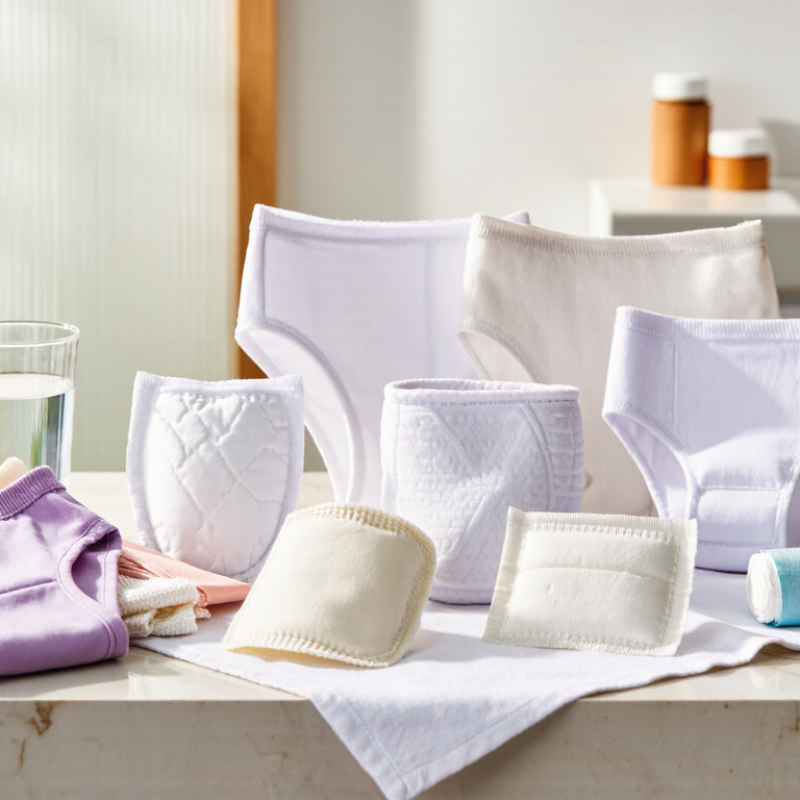
Understand What Panty Liners Are Designed For
Panty liners are thin, low-capacity absorbent sheets for light vaginal discharge, a little spotting, or brief backup—not a substitute for a menstrual pad or tampon. They are optional; many people do not need one every day. Cleveland Clinic clinical guidance estimates typical vaginal discharge at about 1–4 milliliters daily, though the amount varies across people and throughout the menstrual cycle. A small backup. For everyday comfort, choose an unscented liner that feels soft and stays in place, then change it when damp. Constant moisture can feel irritating, and fragrance may bother sensitive skin.
A liner is not designed to manage ongoing urine leakage. The U.S. Agency for Healthcare Research and Quality’s review reports urinary-incontinence estimates of roughly 25–45% among women, with results varying by definition and population. That figure is not a reason to self-diagnose. If leakage happens repeatedly, a clinician can help identify its cause and suitable products. Notice discharge changes, too. A new strong odor, itching, pain, or unusual color deserves medical advice rather than a thicker liner. Daily wear is a personal choice, not a hygiene rule; I would reconsider it if the skin feels sore or persistently damp.
How to Choose Healthy Panty Liners for Everyday Use
Understand what panty liners are designed for. This qualitative guide compares how well a liner suits different levels of vaginal fluid or menstrual flow; it is not a medical rating.
Panty liners are designed for light, everyday discharge or occasional spotting—not as a substitute for period pads or other products intended for menstrual flow. Change liners regularly, and stop using them if they cause irritation. Discharge that changes noticeably in smell, color, or texture, or comes with itching or pain, may need medical advice.
Review Materials, Fragrances, and Potential Irritants
A panty liner sits against delicate skin for hours, so its surface and backing both matter. Look for clear material information, such as the top-sheet fiber, absorbent core, and adhesive. A cotton surface may feel soft, but “cotton-feel” does not necessarily mean the whole liner is cotton. Check whether the backing traps heat or feels plastic-like; a liner that stays damp can become uncomfortable. Small details count. Packaging may not list every processing aid, so material labels cannot guarantee that a product will suit everyone.
Fragrance deserves a careful look. Scented liners can bother sensitive skin, while “unscented” may still involve ingredients that reduce odor. When possible, choose a fragrance-free option and avoid added perfumes, deodorizing claims, or unnecessary dyes. Still, fragrance-free is not a promise of zero irritation. It is easy to assume a familiar product is harmless, but skin can react differently over time. Notice itching, burning, redness, or a rash, and stop using the liner if these occur. If symptoms persist or return, ask a qualified healthcare professional rather than trying more products on irritated skin. Keep the wrapper, too; its material details may help during that conversation.
Match Absorbency and Breathability to Your Needs
Choose absorbency for the fluid you actually notice, not for the heaviest day you can imagine. For light discharge or occasional spotting, a thin liner may feel less bulky. If it becomes damp quickly, try a more absorbent option or change it more often. Check at midday. A dry-feeling surface can still hide moisture underneath.
The U.S. Food and Drug Administration classifies tampon absorbency from light, at 6 grams or less, to ultra, at 15–18 grams. These figures apply to tampons, not panty liners, so they are not a direct comparison. Still, they show why absorbency labels need context: liner ratings may use different tests. Treat product claims as a starting point, then notice how the liner feels after several hours.
Breathability matters when a liner sits against warm, delicate skin. Look for a soft, unscented surface and a design that does not feel sealed or sweaty. Materials alone do not guarantee comfort; fit and how long you wear it matter, too. Change a damp liner rather than keeping it on all day. Irritation can have several causes, so don’t assume the product is always to blame. If discomfort persists, ask a healthcare professional.
How to Choose Healthy Panty Liners for Everyday Use? — Match Absorbency and Breathability to Your Needs
| Everyday need | Suitable absorbency | Breathability and material considerations | Practical selection tips |
| Light vaginal discharge | Light absorbency; choose a liner designed for small amounts of moisture. | Look for a breathable, comfortable design. A cotton or cotton-rich cover may suit people who prefer a natural-fiber surface. | Daily liners are optional. Change one when it feels damp or uncomfortable, and follow the product’s use instructions. |
| Very light spotting | Light to moderate absorbency, depending on the amount of spotting. | Choose a liner that stays in place without feeling bulky. Breathable materials can help reduce a warm, damp feeling. | A liner is intended for light flow, not a heavy period. Use a menstrual product with suitable absorbency if flow increases. |
| Extra protection during travel or a long day | Light absorbency is usually appropriate for minor moisture or discharge. | Consider a thin, flexible liner that fits your underwear comfortably and allows airflow. | Carry a spare and change as needed. Avoid wearing a damp liner for an extended time. |
| Sensitive or easily irritated skin | Select absorbency based on your needs; a thicker liner is not automatically more comfortable. | Consider fragrance-free products and a soft surface. Stop using a product if it causes itching, burning, or irritation. | Check the ingredient and material information on the package. If irritation persists, consult a healthcare professional. |
| Frequent or heavy menstrual flow | A panty liner may not provide enough absorbency. | Choose a menstrual product designed for the amount of flow, with materials and a fit that feel comfortable to you. | Replace the liner with a suitable pad, tampon, cup, or other menstrual product as appropriate; follow its instructions. |
Note: Absorbency labels and material details can vary by product. Panty liners are optional for everyday use, and personal comfort is an important guide.
Choose a Comfortable Fit for Everyday Wear
How to Choose Healthy Panty Liners for Everyday Use?
Choose a Comfortable Fit for Everyday Wear
A liner should sit flat inside your underwear, cover the area you need, and stay in place as you walk. If its edges bunch or rub, try a different shape or a softer, breathable material. A liner that feels fine while standing may still chafe after a long commute. Comfort is personal, so check the fit during normal movement, not just in the package. Small details matter.
The American College of Obstetricians and Gynecologists (ACOG) estimates that up to 16% of women experience vulvodynia, a condition involving vulvar pain. This figure is not evidence that liners cause pain, but it underlines why irritation deserves attention. ACOG’s vulvar-care guidance also advises avoiding scented products that may irritate sensitive skin. If you notice persistent burning, itching, or soreness, stop using the product and seek advice from a healthcare professional.
Tips: Choose a liner that matches your underwear’s width and stays smooth without pulling. Try fragrance-free options, and change the liner when it feels damp. A snug fit is not always a better fit; I would rethink it if the adhesive tugs at fabric or the edges press against skin.
Check Usage Guidance and Replace Liners Regularly
Check the package instructions before using a panty liner. Products differ in absorbency and recommended wear time, so one schedule may not suit every liner. In daily use, replace it every few hours, and sooner if it feels damp, becomes soiled, or shifts out of place. Keep spare liners in a clean, dry pouch rather than loose in a bag. A quick check during a bathroom break can help you notice when it needs changing. Keep it simple.
A liner should feel comfortable, not tight or irritating. Change it after exercise or on hot days, when sweat can make the area feel less fresh. Avoid wearing the same liner all day or relying on it to hide an unusual odor or discharge. If itching, burning, or irritation develops, stop using the liner and give your skin a break. Persistent symptoms deserve advice from a qualified healthcare professional. I sometimes forget to pack a spare, so a small reminder can help—but daily liner use is not necessary for everyone. Let comfort guide your routine.





