How to Choose an Air Separation Unit Gearbox
Choosing an Air Separation Unit Gearbox is not just a matter of matching power ratings. It means understanding the driven equipment, operating speeds, torque demand, and expected duty cycle. In an air separation plant, a gearbox may serve a compressor train, an expander, or an auxiliary drive. Each application brings different loads and operating conditions. A unit that looks suitable on a datasheet may still be a poor fit if its speed range or thermal capacity does not match the actual process.
Small details matter. Record the motor and driven-machine speeds, required ratio, starting conditions, load variations, and expected operating hours. Check the installation layout, shaft arrangement, coupling requirements, and available space. Lubrication method, oil temperature, cooling needs, vibration limits, and maintenance access also deserve attention. A technician should compare these details with the manufacturer’s ratings and service recommendations, rather than relying on a single headline figure. Ask for clear documentation on materials, bearing arrangements, efficiency, noise, and inspection intervals. Real operating data helps.
This guide explains how to evaluate those factors and compare gearbox options with a practical checklist. It also highlights questions to raise with equipment suppliers before purchase, including how they verify ratings for the specific duty. Specifications are sometimes incomplete; that is worth acknowledging, not guessing around. A careful selection can support reliable operation and make maintenance more predictable, but it cannot remove every risk. Conditions change. The best choice is the one supported by sound engineering data, experienced review, and a realistic understanding of the plant’s needs.
Understand the Gearbox’s Role in an Air Separation Unit
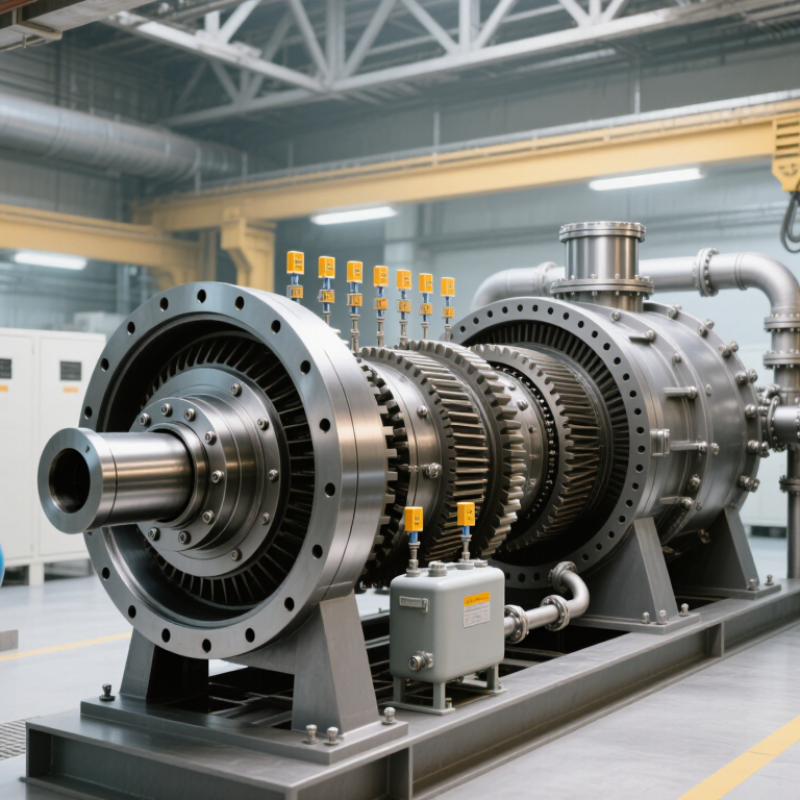
An air separation unit depends on rotating equipment to compress, cool, and expand air before its components are separated. The gearbox transfers power between a driver and a compressor or expander, while matching their speeds and torque requirements. In practice, that means stable gear engagement helps keep process conditions steady. A gearbox is not just a transmission; its vibration, temperature, and lubrication can affect equipment availability.
The U.S. Department of Energy’s Improving Compressed Air System Performance sourcebook reports that compressed air can account for about 10% of industrial electricity use, and up to 30% at some facilities. This figure covers industrial compressed-air systems broadly, not air separation units alone, but it shows why compressor efficiency deserves attention. For gearbox selection, check the required power, input and output speeds, operating hours, start-up loads, and alignment limits. Ask for documented thermal ratings and bearing-life assumptions, too. A neat rating sheet is useful, but real duty cycles can be messier.
Tips: Review oil temperature and vibration trends after commissioning. Confirm that inspection access is practical, and match the lubrication plan to the site environment. Small details matter.
One point deserves a second look: a larger gearbox is not automatically safer. Extra capacity can add cost and may not solve poor alignment or unsuitable operating conditions. Choose against the actual duty profile, then verify performance with the equipment supplier’s engineering data.
Define the Load, Speed, and Duty-Cycle Requirements
How to Choose an Air Separation Unit Gearbox
Start with the driven equipment’s actual load, not just its rated power. Record operating torque, starting torque, and any short peaks during acceleration or process changes. A compressor may run steadily for hours, yet a restart can place a much sharper demand on the gearbox. Note the motor’s power and speed, then confirm the required output speed and gear ratio. Small assumptions matter.
Speed affects more than the ratio. Check the full operating range, including start-up and any variable-speed conditions. Ask the supplier to review bearing loads, shaft alignment, and possible resonance near operating speeds. Keep the measured or specified values; estimates alone can hide a problem. A tidy spreadsheet can still miss a brief torque spike.
Tips: Describe the duty cycle in plain terms: hours per run, starts per day, load changes, and ambient conditions. Continuous operation needs dependable heat management and lubrication. Frequent starts may call for a different service margin. Share vibration or temperature records when available. They help, though the data may not tell the whole story. Recheck assumptions with the equipment and gearbox engineers before finalizing the selection.
Check Materials, Lubrication, and Operating-Environment Compatibility
When selecting an air separation unit gearbox, check every material against the actual temperature range and lubricant. Gear-tooth steel, housing materials, seals, and coatings must work together; an elastomer that stiffens during a cold start can leak before operating temperature stabilizes. Small details matter. Ask the supplier to document material and lubricant compatibility, including expected start-up temperatures, moisture exposure, and any risk of lubricant migration toward oxygen-service equipment. A neat specification can still miss the site’s real temperature swings.
Lubricant viscosity must suit both cold starts and sustained load. Too viscous, and oil may reach bearings slowly; too thin, and the film may not protect loaded teeth. Keep water and particles out. ISO 4406:2021 assigns particle-count codes; for example, code 18/16/13 represents 1,300–2,500 particles per millilitre at ≥4 μm(c), 320–640 at ≥6 μm(c), and 40–80 at ≥14 μm(c). These are cleanliness ranges, not a universal gearbox target. Set limits with the gearbox maker and site oil-monitoring plan. API 613 also provides design requirements for special-purpose gear units. Still, standards cannot replace checking local dust, humidity, ventilation, and washdown conditions. Not always obvious. Use oil samples and temperature trends to verify the choice after commissioning.
Assess Reliability, Maintenance Needs, and Supplier Support
An air separation unit gearbox should be judged by more than its rated power. Reliability depends on the actual load, shaft speed, start-up pattern, and operating temperature. Ask for documented limits and test results that match your duty cycle. Record vibration and oil temperature during commissioning; these readings give technicians a useful baseline. Small clues matter.
Maintenance needs should fit the site’s staffing and shutdown schedule. Check how easily technicians can inspect seals, bearings, and lubrication points. Confirm the recommended oil grade, sampling interval, and availability of common spare parts. A clear manual helps, but it cannot replace practical training. Supplier support matters most when a fault interrupts operation. Ask who handles troubleshooting, how quickly technical advice is available, and whether service staff can review vibration or oil-analysis data. Confirm expected spare-part lead times before purchase. A polished datasheet is reassuring, but it does not prove responsive support. No checklist catches every site-specific surprise. Review service arrangements with the people who will maintain the gearbox, and question any assumption they cannot verify.
How to Choose an Air Separation Unit Gearbox
Suggested evaluation weights for comparing gearbox options. Reliability, maintainability, and supplier support receive the greatest emphasis; adjust the weights to match your operating conditions and site priorities. These are planning weights, not industry benchmark data.





