Why Choose Electric Transfer Carts for Your Business Needs?
In today's rapidly evolving industrial landscape, businesses face the challenge of optimizing efficiency and safety. An Electric Transfer Cart can play a crucial role in this transformation. John Smith, a leading expert in industrial logistics, states, "Electric Transfer Carts revolutionize material handling by minimizing human effort and maximizing productivity." This innovative solution is designed to transport heavy loads with ease, reducing the risk of workplace injuries.
Electric Transfer Carts not only streamline operations but also contribute to sustainability. By using electricity instead of fossil fuels, companies can cut down on emissions. The advanced features of these carts, such as remote control, enhance their usability. However, the initial investment may be daunting for some businesses. Companies must weigh the long-term benefits against upfront costs.
Moreover, integrating an Electric Transfer Cart into existing systems requires careful planning. Businesses must evaluate their specific needs and adapt accordingly. Some organizations may find the transition challenging, as they navigate employee training and infrastructure changes. Hence, choosing the right Electric Transfer Cart is an essential step toward future-proofing operations.
Benefits of Electric Transfer Carts for Efficient Material Handling
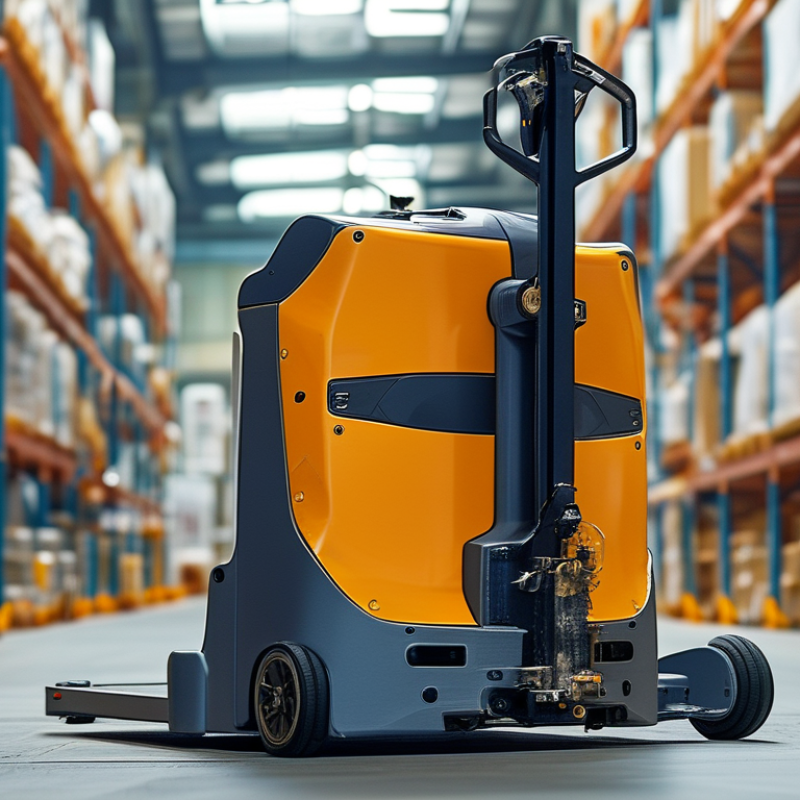
Electric transfer carts are revolutionizing material handling in various industries. According to a recent industry report, electric transfer carts improve efficiency by up to 30%. This is particularly crucial in manufacturing and warehousing, where time is money. These carts minimize human effort and reduce the risk of workplace injuries. The ergonomic design allows operators to handle materials without straining, fostering a safer work environment.
One often overlooked aspect is the energy savings associated with electric transfer carts. Industry analysis shows that switching from traditional gas-powered to electric models can lead to a 60% reduction in operational costs. This is significant for businesses aiming to enhance sustainability. Additionally, electric carts can operate in confined spaces, increasing versatility. However, the initial investment might deter some companies. It requires a careful assessment to balance upfront costs with long-term savings.
Moreover, electric transfer carts can be customized to handle various materials. From heavy machinery to delicate products, these carts provide adaptable solutions. Some users report challenges in battery life during extended shifts. It's essential to evaluate charging infrastructure before fully committing to this technology. This consideration could impact overall productivity. Balancing these factors will determine the best fit for a company’s specific needs.
Cost-Effectiveness and Long-Term Savings of Electric Transfer Carts
Electric transfer carts are increasingly recognized for their cost-effectiveness and potential for long-term savings. A recent industry report indicates that businesses can reduce operational costs by up to 30% when transitioning from traditional transport solutions to electric models. Maintenance expenses are notably lower, as electric carts require less frequent servicing compared to gas-powered counterparts. This shift helps companies allocate resources more efficiently.
Implementing electric transfer carts can significantly enhance productivity. Their ease of use allows employees to streamline operations, reducing time spent on transportation tasks. Additionally, electric carts contribute to environmental sustainability, which can improve a company’s public image and attract eco-conscious clients. Industry analysis shows that organizations prioritizing sustainability can see a 15% increase in customer loyalty.
Assessing energy consumption is crucial for maximizing savings. Look for models with high-efficiency ratings. Consider the lifespan of the battery and look for warranties that extend well beyond typical usage periods. Regularly scheduled training for employees on efficient operation can also lead to substantial savings. Lastly, track the overall performance of the carts to identify areas for improvement. Refining these processes can further enhance cost-effectiveness in the long run.
Environmental Impact: Why Electric Transfer Carts are a Greener Choice
Electric transfer carts have gained popularity due to their eco-friendly nature. According to a report by the International Energy Agency, transportation is a significant contributor to global carbon emissions, accounting for approximately 24% of CO2 emissions. Electric transfer carts offer a cleaner alternative. They run on electricity, reducing reliance on fossil fuels. When charged through renewable energy sources, their environmental footprint shrinks even further.
These carts produce zero tailpipe emissions. This is vital in enclosed spaces like warehouses and factories. Studies show that electric vehicles can reduce greenhouse gas emissions by 20-75%, depending on the energy source. Using electric transfer carts not only cuts pollution but also improves workplace air quality. Employees benefit from a healthier environment with fewer harmful fumes.
Despite these advantages, some businesses hesitate. They worry about the initial costs and charging infrastructure. An investment in electric transfer carts may seem daunting. However, weighing the long-term benefits is crucial. Over time, the reduction in operating costs and environmental impact can often outweigh the initial expenses. Each business must consider their unique situation and choose what aligns with their values and goals.
Customization Options for Electric Transfer Carts to Suit Business Needs
Electric transfer carts are becoming essential for many business operations. Their versatility allows customization tailored to specific needs. For example, businesses can choose load capacities ranging from 1,000 to 20,000 pounds. Each company has unique requirements, making this adaptability crucial.
Industry reports indicate that 75% of companies experience increased efficiency with customized carts. Features such as adjustable heights or battery sizes can significantly affect productivity. Furthermore, electric transfer carts can be equipped with safety enhancements, such as speed limiters and anti-collision systems. These additions not only improve work environments but also ensure compliance with safety regulations.
However, not all carts meet expectations. Some users find that inadequate training on using customized features can hinder operations. A clear understanding of the options available is essential. Customization is not simply about adding features but about aligning them with workflow needs. It’s important for businesses to reflect on their requirements before making decisions.
Electric Transfer Carts - Customization Options and Their Impact
Safety Features of Electric Transfer Carts Enhancing Workplace Security
Electric transfer carts are becoming essential in many workplaces. Their design prioritizes safety, which is crucial for preventing workplace accidents. These carts often feature advanced braking systems. They can stop quickly, minimizing the risk of collisions. Additionally, low profiles make them stable and hard to tip over.
Incorporating safety features enhances efficiency. For instance, electric transfer carts often include reflective warning lights. These lights improve visibility in busy environments. Some models offer onboard safety sensors that detect obstacles. This technology alerts operators, helping them avoid potential hazards.
When using electric transfer carts, consider best practices. Regular maintenance is vital for ensuring safety features function correctly. Train employees on the proper use and limitations of these carts. Encourage vigilance around moving equipment. Over time, a culture of safety can be fostered, benefiting the entire workplace.
Why Choose Electric Transfer Carts for Your Business Needs? - Safety Features of Electric Transfer Carts Enhancing Workplace Security
| Feature | Description | Benefit |
| Load Capacity | Can carry loads varying from 500 kg to 2,000 kg. | Reduces risk of injury from manual lifting. |
| Safety Brakes | Equipped with emergency stop brakes. | Enhances safety for operators and surrounding personnel. |
| Stability Features | Low center of gravity and wide wheelbase. | Prevents tipping while in motion. |
| LED Indicators | Alerts users about battery life and operational status. | Reduces downtime caused by unexpected issues. |
| Ergonomic Design | Designed for ease of use with comfortable handling. | Minimizes operator fatigue and discomfort. |
| Durable Materials | Constructed with high-strength steel and corrosion-resistant components. | Ensures long-lasting use and reduced maintenance costs. |





