Top 5 Tips for Choosing a Drip Line Pressure Regulator?
Choosing the right Drip Line Pressure Regulator is crucial for efficient irrigation. This device ensures your plants receive the right amount of water consistently. Many gardeners struggle to find the best regulator. Some might select based solely on price, neglecting factors like flow rate and compatibility.
Understanding how a Drip Line Pressure Regulator works can guide you. It maintains even pressure across the system, preventing damage from too much water. However, not all regulators are created equal. Some may fail under high pressures or varying conditions. Balancing quality with cost can be challenging, yet it’s essential for effective watering.
In this guide, we explore five essential tips to help you make an informed choice. With the right knowledge, you can avoid common pitfalls and invest wisely in your irrigation system. Empowering yourself with the right equipment means healthier plants and more productive gardens.
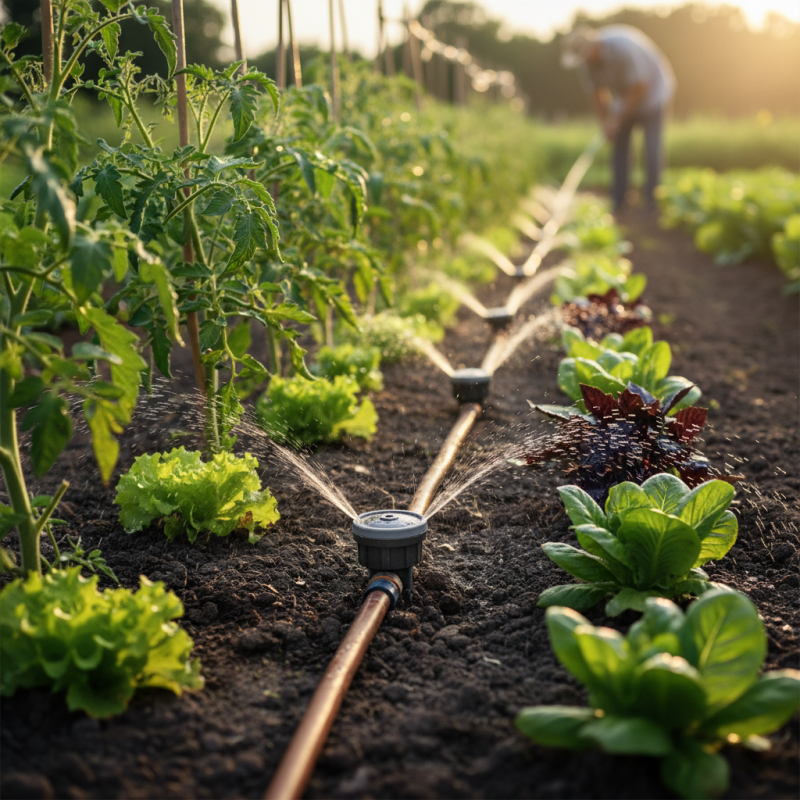
Understanding the Importance of a Pressure Regulator in Drip Systems
A pressure regulator plays a crucial role in drip irrigation systems. It ensures that water flows at a consistent rate, preventing damage to plants. High pressure can lead to overwatering, while low pressure can cause inadequate distribution. This balance is essential for maximizing plant health and resource efficiency.
Choosing the right regulator requires understanding specific garden needs. Factors like water source pressure and type of plants are vital. Some systems may need a higher flow rate, while others benefit from slower, steady delivery. It's essential to periodically check the regulator for clogs or malfunctions. Regular maintenance can prevent larger issues later.
Be mindful that not all regulators perform the same. Installation errors can lead to uneven watering. Take time to assess different options. An improper choice can cost time and resources, impacting long-term garden success.
Key Features to Consider When Selecting a Drip Line Pressure Regulator
Choosing the right drip line pressure regulator is crucial for efficient irrigation. Various key features can significantly impact your gardening or agricultural success. Start by considering the flow rate. This feature determines how much water flows through your system. A regulator must match your specific needs. If it’s too low, plants may not receive enough water. Too high, and your plants risk drowning.
Next, look at the pressure range. Pressure can affect water distribution. Many regulators have a specific optimal range. If this range doesn’t suit your system, those features are ineffective. Monitor how your plants respond over time. Adjust if necessary. Regular checks will help ensure your regulator operates at peak performance.
Ease of installation is another important aspect. A complex setup can lead to errors. The regulator should fit seamlessly into your existing irrigation system. Reflect on your comfort level with installation. If unsure, seek advice or professional help. Focus on user-friendly designs to simplify the process. All these considerations lead to more effective watering and healthier plants.
Evaluating Pressure Range Requirements for Specific Irrigation Needs
When selecting a drip line pressure regulator, understanding your specific irrigation needs is vital. The pressure range often dictates the efficiency of your irrigation system. Research indicates that the optimal pressure for drip irrigation typically falls between 10 to 30 PSI. This variation allows for precise control over water distribution, reducing waste and ensuring plant health.
Selecting a regulator with the correct pressure range enhances water delivery. For instance, a low-pressure system may struggle with uneven distribution. In contrast, high pressure can lead to water pooling and increased evaporation. According to the Irrigation Association, systems operating at improper pressure can waste up to 30% more water. Additionally, plant stress often arises from inconsistent pressure.
Moreover, proper filtration is crucial. A clean system helps maintain consistent pressure. Regular maintenance helps ensure that the pressure remains within the ideal range. A neglected regulator can lead to fluctuating performance. Evaluating your unique soil type and crop requirements will also influence the choice of pressure settings. Remember, reflection on your current irrigation setup will lead to better choices in the future.
Materials and Durability: Choosing the Right Regulator for Your Environment
Choosing a pressure regulator for your drip line system is critical. The materials used in the regulator determine its durability and performance. Polycarbonate, brass, and stainless steel are common choices. Each material has its strengths and weaknesses.
In harsh environments, a corrosion-resistant option is essential. Brass and stainless steel perform well, especially in humid or saline conditions. However, they can be heavier and more expensive. Polycarbonate is lighter and cost-effective, but it may not withstand extreme temperatures as effectively. Consider the climate and soil conditions in your area before making a choice.
Reflect on your choices. Are you prioritizing cost over durability? If a regulator fails prematurely, it can lead to system failures and wasted resources. Take time to evaluate how each material fits your environment. Investing in the right regulator can save money and effort in the long run.
Top 5 Tips for Choosing a Drip Line Pressure Regulator
| Tip | Material Type | Durability Rating | Best Environment |
| Choose the Right Material | PVC | Moderate | General Use |
| Consider UV Resistance | Polyethylene | High | Sunny Areas |
| Evaluate Corrosion Resistance | Brass | Very High | Harsh Environments |
| Check Pressure Rating | Stainless Steel | Very High | High Pressure Areas |
| Test for Longevity | Nylon | Moderate | Indoor Use |
Installation and Maintenance Tips for Optimal Regulator Performance
When installing a drip line pressure regulator, precision is key. Ensure the regulator is placed on a level surface. This can prevent any potential leaks and ensure consistent performance. Use Teflon tape on thread connections for added security. Inspect the fittings regularly to avoid any unnoticed wear or tears. Proper alignment will also help maintain pressure stability throughout the system.
Maintenance is essential for optimal regulator performance. Check for debris or clogs that can hinder water flow. Clean the filter screen at least once a season. Sometimes, sediment builds up and restricts the flow. If the pressure fluctuates unexpectedly, recalibrating the regulator may be necessary. Regular monitoring can prevent larger issues. Always consult the manufacturer’s guidelines for specific maintenance recommendations.
Top 5 Tips for Choosing a Drip Line Pressure Regulator





