How to Choose the Best Well Drilling Equipment for Your Needs?
Choosing the right well drilling equipment is crucial for any drilling project. According to John R. Volpe, a renowned expert in the well drilling industry, "The right tools can mean the difference between a successful project and a costly mistake." When investing in well drilling equipment, it's essential to consider your specific needs. The variety of equipment available can be overwhelming.
Different projects require different machinery. Understanding the depth and soil conditions of your site can help narrow your choices. Equipment can vary widely in price and capabilities. High-end models offer advanced features but may not be necessary for smaller jobs. Similarly, low-cost options may lead to inefficient work.
It's important to balance quality and cost. Investing in reliable well drilling equipment can save you time and money in the long run. However, it’s easy to get sidetracked by flashy features. Reflecting on your main objectives will guide you in selecting equipment that truly meets your needs. Ultimately, informed decisions will lead to better outcomes in your well drilling projects.
Understanding Different Types of Well Drilling Equipment Available in the Market
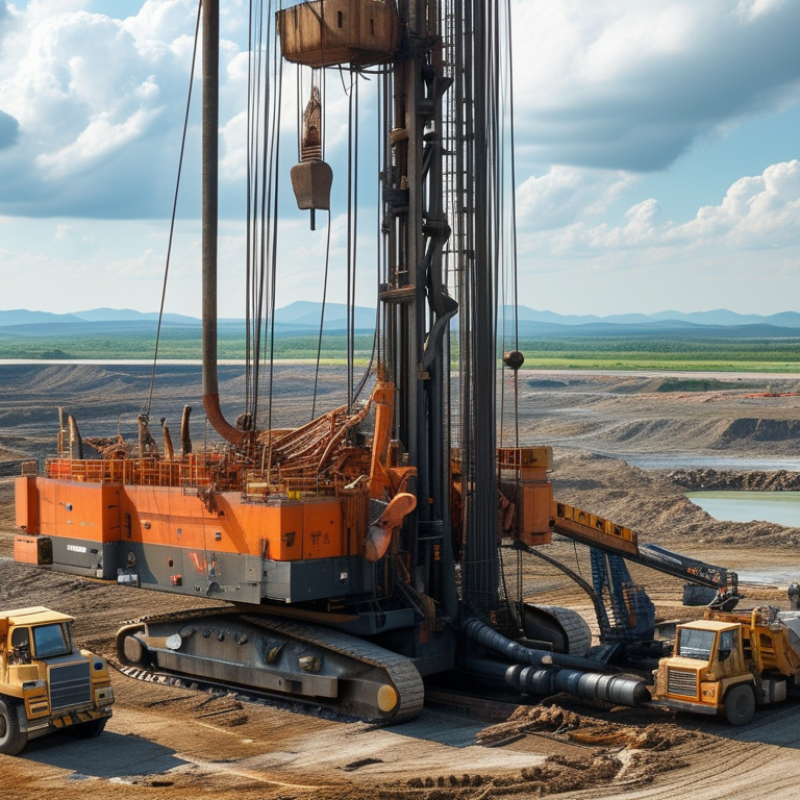
When selecting well drilling equipment, understanding the various types available is crucial. There are several categories of well drilling equipment. Each serves different purposes and meets unique needs. For instance, rotary drilling rigs are common for deep wells. They use a rotating drill bit to penetrate hard ground efficiently. This type of equipment is robust, but it requires skilled operators and maintenance.
Another option is cable tool drilling. This method uses a heavy drilling tool that is repeatedly raised and dropped. It is effective in softer soils and less expensive than rotary methods. However, it is slower and less suitable for hard rock formations. Portable drill rigs offer versatility. They are great for small projects or rural areas, though they may sacrifice depth capabilities.
Beyond these types, it’s essential to consider factors like budget, project size, and soil conditions. An individual might overlook the necessary expertise needed to operate some of this equipment. Not all operators will have the same experience, which can impact drilling efficiency. Reflecting on these nuances can help ensure that the chosen equipment aligns well with specific project demands.
Evaluating Your Water Requirements: Flow Rate and Depth Considerations
When evaluating your water requirements for well drilling, flow rate and depth are critical factors. Understanding these will guide your equipment selection. The average residential well in the U.S. requires a flow rate of about 5-10 gallons per minute (GPM), depending on household size and use. If your demand is higher, perhaps for livestock or irrigation, you might need up to 20 GPM. Identifying these needs early can help you avoid equipment that cannot keep up.
Depth considerations play an equally crucial role. On average, wells can range from 100 to 800 feet deep. However, in some areas, especially those with dry conditions or low aquifer levels, depths can exceed this range. Each additional foot not only increases cost but may also require specialized drilling equipment. A study from the National Ground Water Association indicates that deeper wells have higher construction costs, with some reaching up to $25 per foot.
Being aware of these variables can make a significant impact. Many individuals underestimate their water usage or the depth required. Regular assessments and consultations with drilling professionals can help refine your choices over time. It's essential to use reliable data when making such decisions. Keep in mind that each well project brings unique challenges and may require iterative evaluation. Making informed decisions is crucial for long-term success.
Assessing Soil and Rock Conditions for Suitable Drilling Techniques
Understanding soil and rock conditions is crucial when choosing well drilling equipment. Different materials require varied drilling techniques. Soil types can range from loose sand to dense clay. Rock formations may include soft limestone or hard granite. Each condition demands specific tools and methods.
When assessing soil conditions, consider moisture content and density. Wet soil may lead to challenges with stability during drilling. Loose soil increases the risk of collapse, while compacted soil is often harder to penetrate. Rock density and hardness also affect drilling speed and the type of bit required.
It’s vital to conduct thorough analysis before starting any drilling project. Recommendations may often fall short if the soil and rock properties aren’t well understood. Frequent reassessment during drilling can help address unexpected challenges. Embracing a flexible approach can improve the chances of successful drilling. Inadequate preparation can lead to delays and additional costs, reinforcing the need for careful evaluation.
How to Choose the Best Well Drilling Equipment for Your Needs? - Assessing Soil and Rock Conditions for Suitable Drilling Techniques
| Soil/Rock Type | Recommended Drilling Technique | Bit Type | Max Depth (ft) | Water Flow Rate (gpm) |
| Clay | Auger Drilling | Clay Bit | 300 | 5 |
| Sandy Soil | Percussion Drilling | Sandy Bit | 400 | 10 |
| Limestone | Rotary Drilling | Diamond Bit | 500 | 15 |
| Granite | Core Drilling | Carbide Bit | 600 | 8 |
| Siltstone | Mud Rotary Drilling | Tri-cone Bit | 450 | 12 |
Budgeting for Well Drilling: Costs of Equipment and Operation
When considering well drilling, budgeting is key. Factors include equipment costs, operation expenses, and unexpected fees. Equipment can range widely in price. Quality typically correlates with cost. However, the cheapest option isn't always the best. It's crucial to assess durability and suitability for your soil type. This can save money and time in the long run.
Operational costs also add up quickly. Fuel, labor, and maintenance are often overlooked. Fuel prices fluctuate, impacting your total budget. Hiring experienced labor may seem expensive, but it can prevent costly mistakes. Inadequate planning often leads to financial surprises.
Consider researching various drilling methods to find the most cost-effective solution. Each method has unique costs and benefits. Stay open to feedback and adjust your plan as needed. Listen to professionals in the field. Their insights can guide you towards a more efficient budget. Balancing quality and cost in well drilling is not easy. It requires careful thought and an informed strategy.
Choosing Between New vs. Used Drilling Equipment: Pros and Cons
Choosing between new and used drilling equipment involves weighing various pros and cons. New equipment often comes with warranties and the latest technology, ensuring reliability. Market reports indicate that new machines can increase productivity by up to 30%. However, the initial investment is significantly higher. Companies need to assess budget constraints against potential long-term gains.
Used equipment offers lower upfront costs, making it appealing for startups. Many times, older models can still perform efficiently, especially if well-maintained. Data suggests that purchasing used machinery can save companies 20-50% compared to buying new. Yet, this comes with risks, such as potential hidden damages or lack of support from the manufacturer. Understanding the history and condition of used equipment is critical.
Regular inspections and maintenance checks are essential when considering used drilling equipment. Operators should document all repairs and modifications. Investing in a thorough evaluation can prevent unexpected breakdowns. Consider sourcing machinery from reputable dealers who provide transparent backgrounds. Be cautious with equipment that lacks documentation or shows signs of neglect. Take the time to research and avoid rushed decisions. Each option has its merits; success depends on your unique needs and circumstances.





