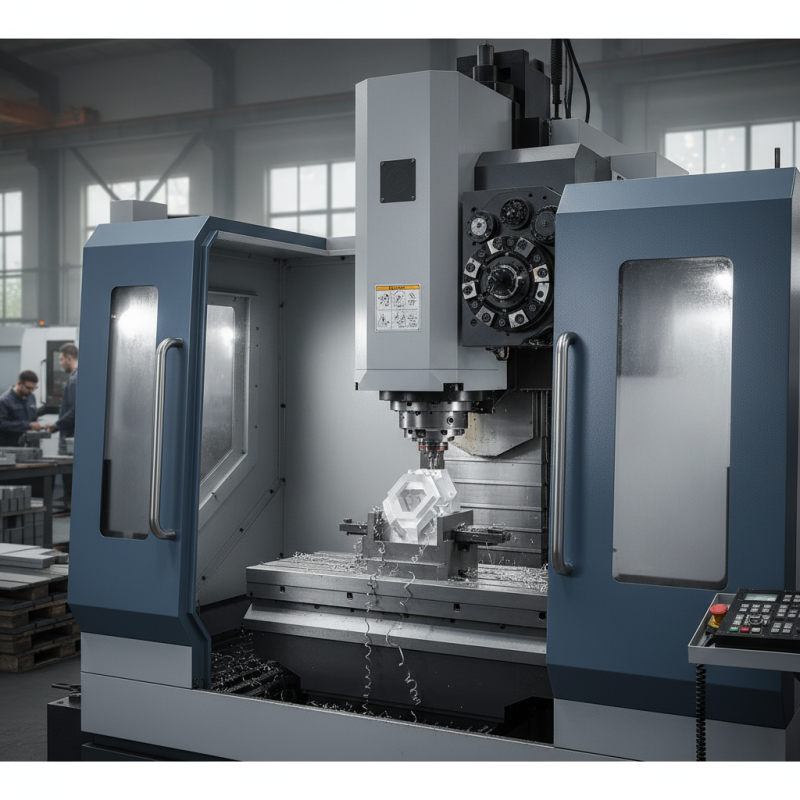
How to Choose the Best Vertical Machining Center VMC-850A?
When selecting the best Vertical machining center VMC-850A, understanding its features is crucial. Industry expert John Smith states, "A reliable VMC-850A can enhance productivity significantly." This highlights the importance of choosing wisely.
The VMC-850A offers advanced technology that can streamline machining processes. However, it is essential to evaluate your specific needs. Size matters, as does the type of material you'll work with. Each feature plays a role in achieving the desired output.
It's easy to overlook certain specifications. Rushing the decision can lead to regret later. Take time to examine real-world applications and user reviews. A well-informed choice leads to better long-term results in machining operations.
Understanding the Vertical Machining Center VMC-850A Specifications
When choosing the VMC-850A, it's crucial to understand its specifications. The machine features a robust structure designed for precision. Its spindle speed can reach up to 10,000 RPM, ideal for various machining tasks. This speed allows for efficient material removal and fine finish quality.
The VMC-850A has a travel range of 850mm in the X-axis, 500mm in the Y-axis, and 500mm in the Z-axis. This makes it suitable for medium-sized components. It can accommodate a table load of up to 800 kg, providing versatility in workpieces. However, one must consider the maximum size and weight of materials to ensure compatibility.
Another important aspect is its control system. While it boasts user-friendly software, some users encounter a learning curve. Observing the instruction manual is essential. Regular updates improve functionality, but not everyone may be aware. Understanding these details can enhance the overall experience with the VMC-850A.
Key Features to Look for in a VMC-850A Machine
When selecting a vertical machining center like the VMC-850A, focus on key features to ensure optimal performance. The spindle speed is crucial. A range of 8000 to 10000 RPM can maximize efficiency for various materials. If your production involves tougher materials, a higher spindle speed may be necessary. Consider power ratings too; a robust motor can handle demanding tasks better.
Another significant factor is the axis movement. The VMC-850A typically features a three-axis system, essential for intricate machining tasks. Check the travel distances; larger dimensions allow for versatility. Additionally, a rapid feed rate of 24 m/min can significantly reduce cycle times, boosting productivity.
Tool capacity and compatibility should not be overlooked. Machines with larger tool magazines often enhance workflow by minimizing downtime. A tool change time of around 3 seconds is ideal. This feature impacts overall efficiency and reflects on your operation's success.
Remember, choosing the right machining center involves careful consideration of these critical attributes.
Evaluating Performance and Precision in the VMC-850A
When evaluating the performance and precision of a Vertical Machining Center like the VMC-850A, specific parameters become critical. Precision machining demands accuracy in tolerances. Reports suggest that maintaining a tolerance range of ±0.005 mm can significantly affect the quality of machined components. A rigid structure offers better stability, ensuring minimal vibration during operations. The VMC-850A’s design must minimize deflection under load to achieve ideal precision.
Another aspect to consider is the spindle speed. Data shows that higher spindle speeds can lead to finer finishes and shorter cycle times. Speeds exceeding 10,000 RPM are often recommended. However, this can introduce challenges, such as overheating and tool wear. Regular monitoring of the spindle's thermal performance is crucial for sustaining precision.
Tool change time is another crucial factor. Shorter cycle times enhance productivity but may compromise precision if not properly managed. Efficiency reports indicate that a tool change time of under 3 seconds can boost overall output. Yet, achieving this without sacrificing quality requires careful selection of tool holders and maintenance practices. Balancing speed and accuracy remains a critical challenge for machinists.
How to Choose the Best Vertical Machining Center VMC-850A? - Evaluating Performance and Precision in the VMC-850A
| Feature | Specification | Importance |
| Table Size | 800 mm x 500 mm | Essential for accommodating workpieces |
| Max Load | 800 kg | Critical for stability and performance |
| Spindle Speed | 8000 RPM | Impact on material removal rate |
| Feed Rate | 1-20 m/min | Affects machining efficiency |
| Positioning Accuracy | ±0.01 mm | Crucial for precision tasks |
| Repeatability | ±0.005 mm | Impacts production consistency |
| Control System | CNC with touchscreen | Enhances user interface and operation |
| Cooling System | Through-spindle coolant | Necessary for tool life and surface finish |
Budget and Cost Considerations for Buying a VMC-850A
When considering the purchase of a Vertical Machining Center (VMC-850A), budget is paramount. The initial cost often determines the type of machine you can acquire. Prices can vary significantly based on features, capabilities, and the technology used. It's crucial to set a budget that accounts for not just the purchase price but also maintenance, tooling, and operational costs. Often, buyers overlook these additional expenses, which can lead to financial strain in the long run.
Research is essential for determining what machine fits your budget. Compare different models and their features. Engage with industry professionals to gain insights into the performance and longevity of specific models. Assessing the total cost of ownership is vital. This includes the potential resale value of the machine after years of use. It’s important to reflect on how well the chosen VMC-850A can meet your production needs without exceeding your budget.
Finances can be tricky with such significant investments. Many buyers experience buyer’s remorse after realizing hidden costs. Understanding the full financial picture, from financing options to insurance, can alleviate future headaches. Invest time in learning about financing or leasing options that offer flexibility. Sometimes, the cheapest option in the beginning isn't the best over time. To navigate these complexities, consider consulting industry experts for tailored buying advice.
Maintenance Tips for Ensuring Longevity of VMC-850A
Proper maintenance is crucial for the longevity of the VMC-850A vertical machining center. Regularly checking and changing the oil can prevent wear and tear. Lubrication systems must be checked to ensure they operate smoothly. Machine components, such as bearings and belts, should also be inspected on a schedule.
Cleaning is another essential aspect of maintenance. Dust and debris can accumulate, leading to malfunctions. A clean workspace helps the machine run efficiently. Operators should use non-abrasive materials to avoid damaging surfaces. Be mindful of coolant levels; low fluids can overheat components.
Lastly, operator training is vital. Refreshing skills regularly can help prevent errors. Encourage a culture of safety and vigilance. Mistakes can happen, but learning from them is crucial for improvement. Maintenance is not just about repairs; it's about understanding how to prevent issues before they arise. Following these practices will contribute to a more reliable and longer-lasting VMC-850A.