How to Choose the Best Tungsten Carbide Strip for Your Needs?
Choosing the right Tungsten Carbide Strip can be challenging. Many factors influence the decision. According to industry expert Dr. Sarah Thompson, "The performance of your tools largely depends on choosing the right material." This insight is crucial as it highlights the significance of material selection.
Tungsten Carbide Strips are known for their durability and resistance to wear. They are used in various applications, from industrial machinery to woodworking tools. Understanding specific requirements is essential for optimal performance. The thickness, width, and finish of the strip play vital roles in determining its effectiveness.
Despite their advantages, not all Tungsten Carbide Strips are created equal. Buyers must evaluate their needs carefully. Misjudgments can lead to performance issues. It’s vital to consider the operating conditions, such as temperature and pressure. A well-informed choice can enhance productivity and extend tool life.
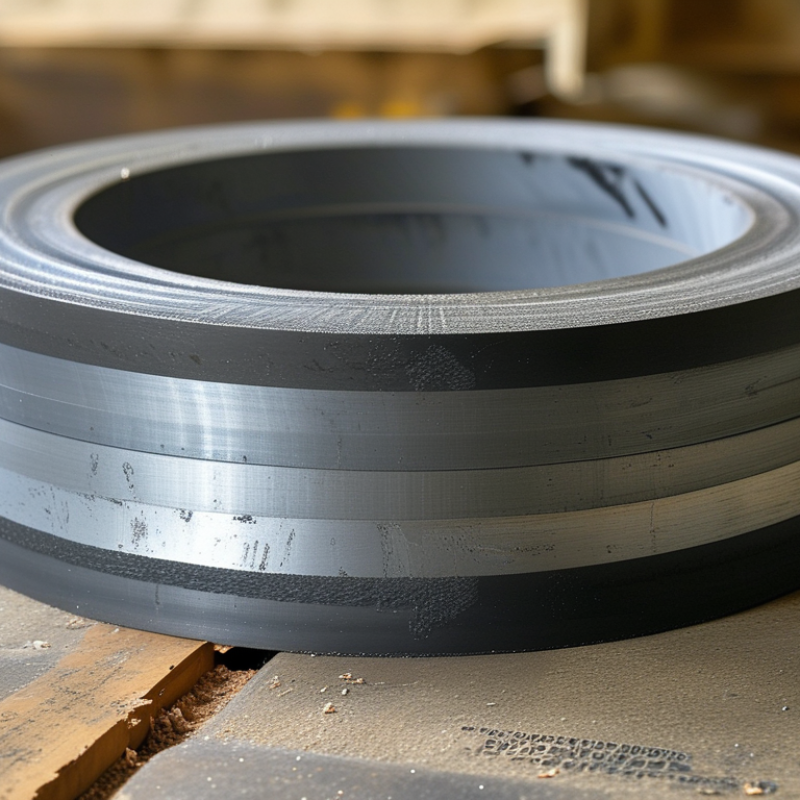
Understanding Tungsten Carbide Strips and Their Applications
Tungsten carbide strips are essential components in various industries. They are known for their toughness and wear resistance. Industries such as manufacturing, mining, and construction commonly utilize these strips. According to a recent report by MarketsandMarkets, the global market for tungsten carbide is projected to grow from $14.3 billion in 2020 to $21.8 billion by 2025. This growth highlights the increasing importance of quality materials.
In applications like cutting tools and wear parts, tungsten carbide strips excel due to their hardness. They are often used in machining, where precision is crucial. A study published in the International Journal of Advanced Manufacturing Technology indicates that tungsten carbide can withstand extreme conditions. However, selecting the right grade and dimension is crucial for achieving optimal performance. Misjudgments in these areas can lead to inefficiencies.
Understanding the specific needs of your application is vital. Different grades of tungsten carbide offer varying levels of toughness and brittleness. Users often overlook the impact of properties like grain size. Smaller grains can enhance toughness, while larger grains might improve wear resistance. This complexity requires careful consideration when choosing tungsten carbide strips for your projects.
Key Factors to Consider When Choosing Tungsten Carbide Strips
When choosing tungsten carbide strips, the right choice depends on several important factors. Hardness is a key consideration. Different applications require different levels of hardness. Softer strips may wear out quickly in high-stress environments. In contrast, harder strips can be brittle, leading to potential breakage.
You should also think about the strip dimensions. The length, width, and thickness of the strip will significantly impact its performance. A strip that’s too thick may not fit in your equipment properly, while one that is too thin might not withstand the pressure.
Additionally, the strip’s edge configuration matters. Some applications benefit from sharper edges for precision. Others may require a more durable, rounded edge to resist wear and tear. Pay attention to these specifics. The wrong choice can lead to inefficiencies or failures in your processes. Understanding these elements will guide you toward the best option.
Comparing Different Grades and Types of Tungsten Carbide Strips
When comparing different grades and types of tungsten carbide strips, it's essential to understand their unique properties. Tungsten carbide strips are primarily categorized into grades based on their cobalt content. For example, a higher cobalt content typically means increased toughness but reduced hardness. Conversely, lower cobalt levels generally enhance hardness but may compromise durability.
According to industry reports, tungsten carbide strips with a 10% cobalt content are recommended for applications requiring high wear resistance. In contrast, strips with around 25% cobalt are ideal for applications demanding greater toughness. The hardness of these materials is also a crucial factor to consider. The Rockwell hardness scale often rates tungsten carbide at HRA 80-90, signaling its exceptional endurance in harsh environments.
However, choosing the right strip isn't always straightforward. Users frequently encounter challenges when matching strip properties with operational demands. A common pitfall is underestimating the impact of strip geometry on performance. Poorly designed strips can lead to premature wear or failure. Therefore, careful assessment of all specifications and operating conditions is vital to avoid costly mistakes.
How to Choose the Best Tungsten Carbide Strip for Your Needs? - Comparing Different Grades and Types of Tungsten Carbide Strips
| Grade | Type | Hardness (HV) | Typical Use | Price Range (per kg) |
| K01 | Standard | 1600 | Cutting Tools | $50 - $70 |
| K10 | High Performance | 1800 | Mining Tools | $80 - $100 |
| K20 | Ultra High Wear Resistance | 2100 | Oil & Gas | $110 - $150 |
| K30 | Coated | 2200 | Aerospace | $120 - $160 |
| K40 | Impact Resistant | 2350 | Construction | $130 - $180 |
Evaluating Manufacturer Reputation and Product Quality
When selecting tungsten carbide strips, evaluating manufacturer reputation and product quality is crucial. Reports from industry experts show that about 75% of buyers prioritize the reputation of the manufacturer. A company with a long history often demonstrates reliability in production processes and material sourcing.
Additionally, product quality directly impacts performance. Research indicates that tungsten carbide strips from reputable sources have lower failure rates and enhanced durability. For example, data reveals that high-quality strips reduce wear and tear by up to 30%. These strips are essential for various industries, from mining to construction. A reliable manufacturer often provides detailed certifications and testing data to back their products.
However, not every manufacturer meets stringent quality standards. Some may offer low prices but compromise on raw material quality. This trade-off can lead to inadequate performance and increased operational costs. Buyers should conduct thorough research, such as reviewing customer testimonials and industry analyses. This approach helps ensure that the chosen tungsten carbide strip aligns with specific application needs.
Tips for Maintenance and Care of Tungsten Carbide Strips
Maintaining tungsten carbide strips can be simple, yet it requires attention. Cleaning them after each use is crucial. Use a soft cloth to wipe away debris. Avoid harsh chemicals, as they can damage the surface. Water is usually enough for routine cleaning. Ensure they dry completely to prevent rust.
When storing tungsten carbide strips, choose a dry place. Humidity can lead to corrosion. A padded storage case is ideal for protection. It’s vital to avoid contact with other tools to prevent chipping. Regularly check for any signs of wear or damage. Early detection can prevent costly replacements later.
Despite their durability, tungsten carbide strips can chip or dull over time. If you notice decreased performance, it may be time for sharpening or replacement. Investing in proper maintenance extends the life of your strips. A little effort goes a long way towards optimal performance.





