How to Choose the Best Thermal Binoculars for Your Needs?
Choosing the right Thermal Binoculars is crucial for outdoor enthusiasts and professionals alike. According to industry reports, the thermal optics market is growing rapidly, with projections indicating growth at a CAGR of 8.2% from 2021 to 2026. This rise is driven by advancements in technology and a wider adoption of thermal imaging in various sectors, including wildlife observation, search and rescue, and security.
When selecting thermal binoculars, one must consider specific features that match one’s needs. Not all models offer the same image quality, weight, or battery life. For example, some binoculars may perform poorly in extreme temperatures, raising concerns about reliability during critical moments. Thermal binoculars are not just tools; they can significantly enhance one’s ability to see the unseen, yet selecting the wrong model can lead to frustration and missed opportunities.
It is essential to evaluate factors like detection range and resolution. Higher resolution generally equates to clearer images, but at a steeper price. Finding a balance is key. Ultimately, understanding your unique requirements will lead to a more informed choice. As you navigate options in this expanding market, remember that the right thermal binoculars should enhance your experience, not complicate it.
Understanding the Basics of Thermal Binoculars
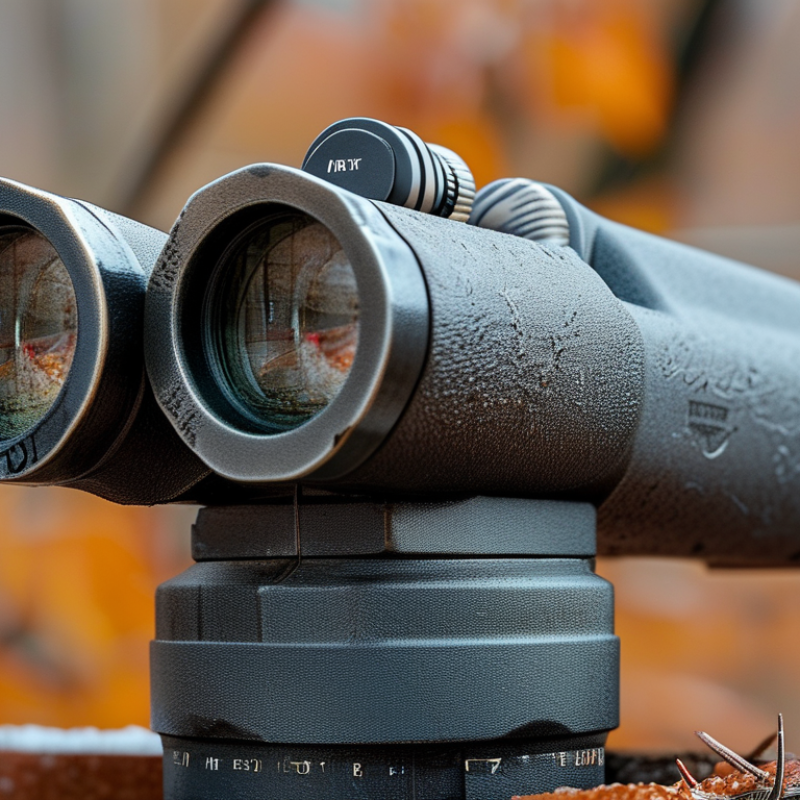
Thermal binoculars are pivotal for many outdoor activities, offering a unique way to observe in low light or complete darkness. They work by detecting heat signatures. This allows users to see living beings, objects, or thermal variations, transforming the experience of night-time exploration.
When choosing thermal binoculars, clarity and resolution are crucial. Aim for higher resolution to enhance image quality. A minimum resolution of 320x240 pixels is recommended for clear detail. Additionally, consider the detection range. Some models can see beyond a thousand yards, while others are more limited.
Tips for Selection:
- Try to test the binoculars before purchasing. This ensures comfort and usability.
- Pay attention to battery life. Longer usage time can be a significant advantage.
- Investigate customer reviews. They often reveal insights about performance and durability.
Understanding the core features can be daunting. Balancing price and functionality presents a challenge. Each individual's needs vary widely, so consider specific use cases. Exploring these nuances will lead to more informed decisions, ensuring the binoculars meet your
unique requirements.
Key Features to Consider in Thermal Binoculars
When selecting thermal binoculars, it’s crucial to focus on key features to match your needs. Resolution is a primary factor. A higher resolution provides clearer images. This is essential for identifying objects at a distance. Look for specifications that cater to your intended use. In low-light conditions, resolution matters even more.
Field of view is another critical feature. A wider field allows you to scan larger areas, which is helpful for wildlife observation. However, this can sometimes lead to reduced detail. Balancing these aspects is necessary. Consider what you prioritize more: detail or breadth.
Battery life influences performance during long outings. Some models may drain batteries quickly, leaving you without power when it matters most. Always check reviews or specifications for durations. If you'll be outside for hours, durability is equally important. Choose materials that resist harsh weather.
**Tips:** Always test binoculars before purchase. Take time to evaluate how they feel in your hands. Different designs suit varying users. Don’t overlook weight and ergonomics. These elements can impact extended viewing sessions.
How to Choose the Best Thermal Binoculars for Your Needs? - Key Features to Consider in Thermal Binoculars
| Feature | Description | Importance |
| Resolution | The clarity of the thermal image, typically measured in pixels. | Higher resolution provides clearer details, essential for identifying objects. |
| Field of View | The width of the area visible through the binoculars. | A wider field is crucial for scanning large areas quickly. |
| Color Palettes | The different color schemes used to display thermal images. | Various palettes help in distinguishing heat signatures effectively. |
| Detection Range | The maximum distance at which the binoculars can detect thermal signatures. | A longer range is essential for outdoor and wildlife observation. |
| Weight | The overall weight of the binoculars. | Lighter models are easier to carry for extended periods. |
| Battery Life | The duration the binoculars can operate on a single charge. | Longer battery life is crucial for extended use in the field. |
| Durability | The ability to withstand harsh environmental conditions. | Durable binoculars are essential for outdoor adventures. |
Evaluating Thermal Sensitivity and Resolution
When selecting thermal binoculars, thermal sensitivity and resolution play a crucial role. Thermal sensitivity refers to the device's ability to detect temperature differences. A higher sensitivity allows you to see subtle heat variations, essential for identifying animals or other heat signatures in low-visibility conditions. Look for specifications that include millikelvin (mK) ratings. A lower mK number indicates better sensitivity.
Resolution measures the clarity of the thermal image. Higher resolution delivers clearer and more detailed images. Pay attention to the pixel count of the thermal sensor. Ideally, choose binoculars with at least 640x480 resolution. However, keep in mind that higher resolution models can be more expensive. It's important to balance cost with the quality you need. Test various models if possible.
While it’s tempting to choose the model with the highest specs, reflect on your specific usage. Consider your environment and what you need the binoculars for. Not every high-spec option will suit all situations. Evaluating your requirements honestly can guide you towards making a more appropriate choice. This approach enhances your overall experience in using thermal binoculars.
Assessing Durability and Weather Resistance
When selecting thermal binoculars, durability and weather resistance are vital factors. According to a 2022 industry report, around 30% of users encounter performance issues during extreme weather conditions. Durability ensures your investment lasts. Look for models that meet or exceed military standards for shock resistance. Binoculars built to withstand harsh environments tend to have reinforced housings.
Waterproof ratings are also crucial. Binoculars with an IP67 rating can survive brief submersion in water without damage. This feature is essential for outdoor enthusiasts who hunt or observe wildlife in variable climates. Furthermore, lens coatings influence durability. High-quality coatings help prevent scratches and enhance the lifespan of the optics.
Remember, even the best thermal binoculars are not foolproof. Regular maintenance is required to maintain their performance. Users often overlook this aspect. Factors like dust and moisture can degrade the optical components over time. Cleaning them regularly ensures clarity and functionality. Investing in quality thermal binoculars means being proactive about their care.
Determining Your Budget and Purpose for Use
When choosing thermal binoculars, understanding your budget and purpose is crucial. The market offers a wide range of prices, from under $500 to several thousand dollars. A report by the Research Institute of Optical Technologies suggests that users should consider spending at least $1,000 for decent quality if they are serious about outdoor activities. This range often ensures better resolution and sensitivity.
Purpose is equally important. Are you a wildlife observer or a security professional? According to recent surveys, 45% of outdoor enthusiasts prioritize image clarity over all features. Higher-end binoculars may provide advanced features like image stabilization, essential for detailed observations. On the other hand, budget options can meet most casual users' needs.
Some users may discover that their initial choice isn’t suitable after field testing. For example, they may find heavier models cumbersome at night. Research indicates that lighter models enhance user experience during extended use. This variability points to why users should reflect on their priorities. Consider both your applications and levels of expertise to make a more informed decision.
Thermal Binoculars Features Comparison
This bar chart compares essential features of thermal binoculars based on a rating scale from 1 to 10. Consider resolution, magnification, battery life, weight, and range when choosing the best thermal binoculars for your needs.





