How to Choose the Best Solar Sunroom for Your Home?
When considering a Solar Sunroom for your home, making an informed choice is crucial. The solar industry has seen a significant increase in popularity, with a recent report by the Solar Energy Industries Association indicating a 25% growth in residential solar systems over the past year. This growth reflects a broader trend towards sustainable living and energy efficiency.
Expert Mark Johnson, a leading authority in the solar energy field, states, "A Solar Sunroom not only enhances the aesthetic appeal of your home but also improves energy efficiency." His insights highlight the dual benefits of incorporating a solar sunroom: it functions as a beautiful living space while contributing to a greener lifestyle.
However, choosing the right solar sunroom requires careful deliberation. Factors like design, material, and orientation play critical roles in its effectiveness. Many homeowners overlook these aspects and later question their choices. It's essential to reflect on your needs and environment when selecting the best solar sunroom for your home. Careful research and expert guidance can make all the difference.
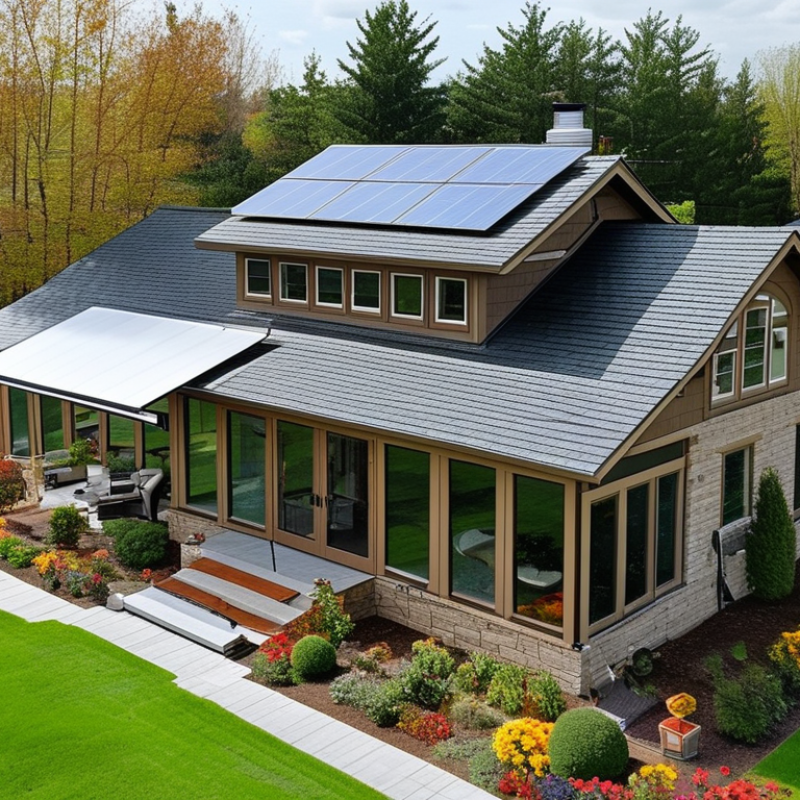
Factors to Consider When Selecting a Solar Sunroom Design
When selecting a solar sunroom design, several key factors come into play. One crucial aspect is energy efficiency. According to the U.S. Department of Energy, well-designed sunrooms can increase a home's energy efficiency by up to 30%. Double-glazed windows and insulated walls are vital for maintaining temperature control. This ensures that the sunroom remains a comfortable space throughout the year.
Another important consideration is orientation. A sunroom that faces south will typically receive the most sunlight. This orientation maximizes natural light and heat, reducing the need for artificial lighting during the day. However, excessive sunlight can lead to overheating. Using awnings or shades is often necessary to mitigate this issue. Remember, not all homes are equally suited for a solar sunroom. The existing structure impacts the design choices available.
Budget constraints also play a significant role. While many opt for high-end materials, knowing where to invest is essential. Energy-efficient glass may cost more upfront but can lead to substantial utility savings over time. Careful planning and realistic budgeting can help avoid future regrets about overspending on less effective components. Keep in mind that a solar sunroom should be both aesthetically pleasing and functional, blending well with the rest of your home.
Comparing Different Types of Solar Sunroom Materials
Choosing the right materials for a solar sunroom significantly impacts energy efficiency and aesthetics. Common materials include glass, polycarbonate, and fiberglass. Each has unique benefits and drawbacks. Glass offers excellent insulation but can be expensive. Polycarbonate is lightweight and durable, yet may lack the clarity of glass. Fiberglass provides a good balance but may not perform as well in extreme temperatures.
It’s essential to consider your local climate when selecting materials. According to the U.S. Department of Energy, homes in colder areas may require triple-glazed glass for optimal performance. In warmer regions, UV-resistant polycarbonate can help reduce heat gain and maintain comfort. Always check the thermal performance ratings of selected materials to ensure they meet energy efficiency standards.
When building a solar sunroom, prioritize professional installation. Poor workmanship can lead to leaks and inadequate insulation. Don’t overlook the importance of ventilation. Without proper airflow, even the best materials can lead to discomfort. Always consult with experts to assess the specific needs of your home.
Comparing Different Types of Solar Sunroom Materials
This bar chart displays the popularity scores of various solar sunroom materials based on five dimensions: Frame Material, Glazing Type, Roof Design, Insulation Level, and Size. A higher score indicates greater popularity among homeowners.
Evaluating Energy Efficiency and Sunroom Performance
When selecting a solar sunroom for your home, energy efficiency is paramount. A well-designed sunroom harnesses solar energy to maintain a comfortable temperature year-round. It is essential to choose high-performance glass that minimizes heat transfer. Moreover, consider the frame materials. Aluminum is durable, but vinyl options offer better insulation at times. Each aspect plays a vital role in overall performance.
To evaluate a sunroom's energy efficiency, check for a good energy rating. Look for certifications and performance metrics. A properly insulated sunroom minimizes energy loss and enhances comfort. However, be aware: ideal performance depends on accurate installation. Even minor misalignments can lead to energy inefficiency.
Natural ventilation should also be factored into your choice. Opening windows during cooler evenings can cool the space without additional energy use. On the other hand, lack of airflow might create a humid environment, which can be uncomfortable. This decision requires thoughtful consideration of your local climate and desired usage. Ultimately, combining these elements will ensure a solar sunroom that meets your needs effectively.
Budgeting for Your Solar Sunroom Installation and Maintenance
Budgeting for a solar sunroom requires careful planning. Consider the initial costs of the structure, including materials and installation labor. Evaluate the size of the sunroom and the complexity of the design. These factors can vary widely in price. If your home has specific design needs, it may increase costs. Creating a budget that accounts for these variables is crucial.
Maintenance is another important aspect. Regular upkeep can help avoid costly repairs down the line. Think about routine cleaning and any potential repairs that might arise. Some homeowners might overlook this cost. It can lead to larger expenses if not addressed promptly. Establishing a budget that includes maintenance ensures long-term enjoyment of your sunroom.
It’s also wise to set aside funds for unexpected expenses. Natural elements may cause wear and tear, especially on glass. Weather-related damage could occur, so having a financial cushion can make a difference. Spending less now might save you more later. Balancing budget constraints and quality is essential for making the right choice. Being prepared for both anticipated and unanticipated costs will create a better experience.
Finding a Qualified Contractor for Your Solar Sunroom Project
When selecting a contractor for your solar sunroom project, expertise matters. Look for professionals who have experience in solar installations. A reliable contractor should have a portfolio showcasing completed projects. Verify their credentials through state licensing boards. According to the National Renewable Energy Laboratory, qualified contractors can enhance the overall efficiency of solar systems by up to 30%.
Communication with potential contractors is crucial. Discuss their approach to project management and timelines. Ask about warranties on both labor and materials. Many industry reports suggest that clarity in communication leads to higher satisfaction rates among homeowners. A study by the Solar Energy Industries Association indicates that clear expectations can reduce common project delays.
Evaluate the contractor’s knowledge of local building codes and regulations. Knowledgeable contractors will ensure your sunroom complies with legal standards. Compliance can save you future headaches regarding permits or inspections. A responsible contractor should also offer transparent pricing, detailing all costs upfront. Remember that the cheapest option isn't always the best. A thorough vetting process can help prevent costly mistakes later on.
How to Choose the Best Solar Sunroom for Your Home? - Finding a Qualified Contractor for Your Solar Sunroom Project
| Feature | Importance Level | Considerations | Average Cost ($) |
| Materials Used | High | Glass quality, insulation properties | 5000 - 15000 |
| Energy Efficiency | Very High | Solar gain, window orientation | 2000 - 8000 |
| Design Options | Medium | Architectural style, customization | 1000 - 5000 |
| Installation Experience | High | Check contractor's credentials | 500 - 3000 |
| Local Regulations | High | Permitting, zoning laws | Varies |





