How to Choose the Best Silicone Glue for Your Projects?
Choosing the right Silicone Glue for your projects can significantly impact your success. Silicone glue, known for its versatility and strong bonding capabilities, is essential for various tasks. However, not all silicone glues are created equal. Factors such as project type, material compatibility, and curing time play crucial roles in your decision-making process.
When selecting silicone glue, consider the specific needs of your project. Different formulations offer unique properties, affecting strength and flexibility. You may find the options overwhelming, especially with numerous brands available on the market. It’s vital to ask for recommendations or read reviews from experienced users. They can provide insights that help you avoid common pitfalls.
The importance of proper application cannot be overstated. Some silicone glues require specific environmental conditions to cure effectively. This means understanding temperature and humidity levels is key. Don’t forget to take into account the longevity of the bond. An informed choice will save you time and effort in the long run. Remember, the right silicone glue can empower your creativity, but the wrong choice might lead to frustration.
Types of Silicone Glue and Their Applications
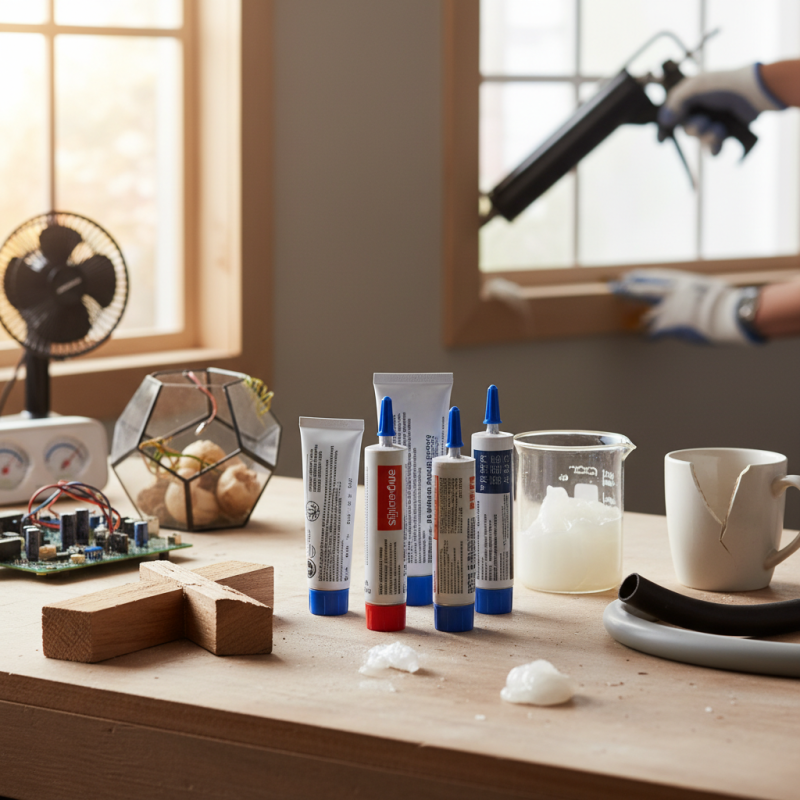
Silicone glue comes in various types, each suited for different applications. High-temperature silicone is ideal for projects exposed to heat, such as automotive repairs and cookware assembly. It's formulated to resist extreme temperatures, providing reliable adhesion where conventional adhesives fail. On the other hand, transparent silicone is perfect for projects requiring a clean, unobtrusive finish. It bonds glass and ceramic materials effectively, making it popular for crafts and home repairs.
For outdoor use, weatherproof silicone is essential. This type is designed to withstand elements like rain and UV rays. It's great for sealing windows, doors, and other outdoor fixtures. However, it may not bond as well to certain surfaces. Testing adhesion before committing to your project is wise.
If you're working on aquariums or water-related projects, aquarium-safe silicone is vital. This adhesive cures without harmful chemicals, ensuring the safety of aquatic life. Transitioning between types can be tricky. Always check compatibility with your materials. An informed choice depends on understanding what each silicone glue offers.
Key Features to Look for in Silicone Glue
When selecting silicone glue for your projects, consider its key features carefully. The adhesive's strength is paramount. A strong bond will ensure durability in various conditions. Look for options that boast flexibility. This allows the glue to adapt to movement and temperature changes in surfaces.
Another essential feature is curing time. Fast-curing silicone glue saves time and increases efficiency. However, some projects may require a longer working time for adjustments. It's vital to find a balance that suits your specific needs. Water resistance is equally important if you're working on outdoor projects or items exposed to moisture.
Evaluate the application method as well. Some glues come in easy-to-use tubes, while others require a caulking gun. Choose one that simplifies your work. Additionally, consider the finish—some adhesives dry clear, making them perfect for visible applications. Others may leave a matte finish that blends better with certain materials. Understanding these factors can greatly influence the outcome of your project.
Key Features of Silicone Glue
How to Determine the Best Adhesive Strength for Your Project
Choosing the right adhesive strength is crucial for any silicone glue project. Various factors influence this choice, such as the materials involved and their expected stress. Industry reports suggest that certain silicone adhesives can achieve shear strengths between 20 to 40 PSI, depending on the formulation. When selecting an adhesive, consider the surfaces you plan to bond. For porous materials, a stronger adhesive might be necessary to ensure durability.
Testing the adhesive strength is essential. Conduct peel tests to evaluate how well the adhesive bonds at the edges. A study in the Journal of Adhesive Science found that bond strength can decrease significantly when surfaces are contaminated. Even fingerprints can lower adhesion quality. It's a reminder that preparation is key. You may need to reconsider or retest your approach if initial bonds fail.
Another point to consider is temperature sensitivity. Silicone adhesives generally perform well under high temperatures, yet their strength can vary. A report by the Adhesive and Sealant Council noted that at extreme temperatures, the bond might weaken. Always check the manufacturer's guidelines for specific recommendations. Testing different formulations and conditions may help pinpoint the best option for your project.
How to Choose the Best Silicone Glue for Your Projects? - How to Determine the Best Adhesive Strength for Your Project
| Silicone Glue Type | Adhesive Strength (PSI) | Cure Time | Temperature Resistance (°F) | Application |
| General Purpose Silicone | 300 | 24 hours | -60 to 400 | Crafts, Repairs, Household |
| High Performance Silicone | 600 | 12 hours | -75 to 500 | Automotive, Industrial |
| Electrical Silicone | 400 | 48 hours | -40 to 300 | Electronics, Insulation |
| Food Grade Silicone | 500 | 30 minutes | -58 to 400 | Cooking, Food Processing |
Tips for Properly Using and Storing Silicone Glue
When storing silicone glue, temperature and environment matter. Keeping glue at room temperature helps maintain its consistency. Reports indicate that extremes in temperature can reduce adhesive strength over time. A study from the Adhesive and Sealant Council shows that improper storage leads to a 30% loss in effectiveness within six months. Avoiding direct sunlight can also prevent premature curing.
For best usage, a clean surface is crucial. Dirt or moisture can interfere with bonding. An industry report highlights that around 40% of failed projects are due to inadequate surface preparation. Use mineral spirits to clean surfaces before application. Applying silicone glue in layers can improve adhesion, especially for larger gaps. This method allows for better control and minimizes excess glue.
After use, ensure the cap is tightly sealed. Expired silicone can become tacky or lose its adhesive properties. Properly stored, silicone glue can have a shelf life of up to two years. Yet, many users overlook this detail. Regularly checking expiration dates can save both time and materials. An unsealed tube can lead to a frustrating project delay. Consider labeling your supplies to track usage more effectively.
Common Mistakes to Avoid When Choosing Silicone Glue
When selecting silicone glue for your projects, avoid common mistakes that can lead to frustration. One frequent error is not considering the specific application. Not all silicone glues are alike. Some excel in waterproof conditions, while others offer better flexibility. Assess your project's requirements carefully.
Another common pitfall is ignoring the curing time. Some silicone glues take hours to set. This can disrupt your workflow. Choose a product that aligns with your timeline. Quick-drying options may seem appealing but could compromise the bond if rushed.
Consider the type of surface you'll be working on. Smooth surfaces may require special adhesives designed for better bonding. Using the wrong type can result in unsatisfactory results. Testing a small area first is often a wise choice.
Tips: Always read manufacturer instructions. These guidelines provide valuable insights into the glue's best practices. Also, check for compatibility, especially when working with different materials. Taking these steps can make a significant difference in your project's success.





