How to Choose the Best Silicon Nitride Ceramic Powder?
Choosing the best Silicon Nitride Ceramic Powder can be a daunting task. Silicon nitride is known for its impressive thermal stability and mechanical strength, making it essential in various industries. According to a report by MarketsandMarkets, the global silicon nitride market is projected to reach $851 million by 2026, reflecting its growing significance.
Experts emphasize the importance of selecting high-quality silicon nitride ceramic powders. Dr. James L. E. White, a leading researcher in ceramic materials, states, “The performance of applications largely depends on the selection of quality powders.” This underscores the necessity of thorough research before making a decision.
Buyers must consider factors such as purity, particle size, and manufacturing methods. Even minor variations can lead to significant differences in performance. Some suppliers may claim high quality, but users often face challenges. Therefore, scrutiny is crucial to ensure reliability and effectiveness in applications.
Understanding Silicon Nitride Ceramic Powder Characteristics
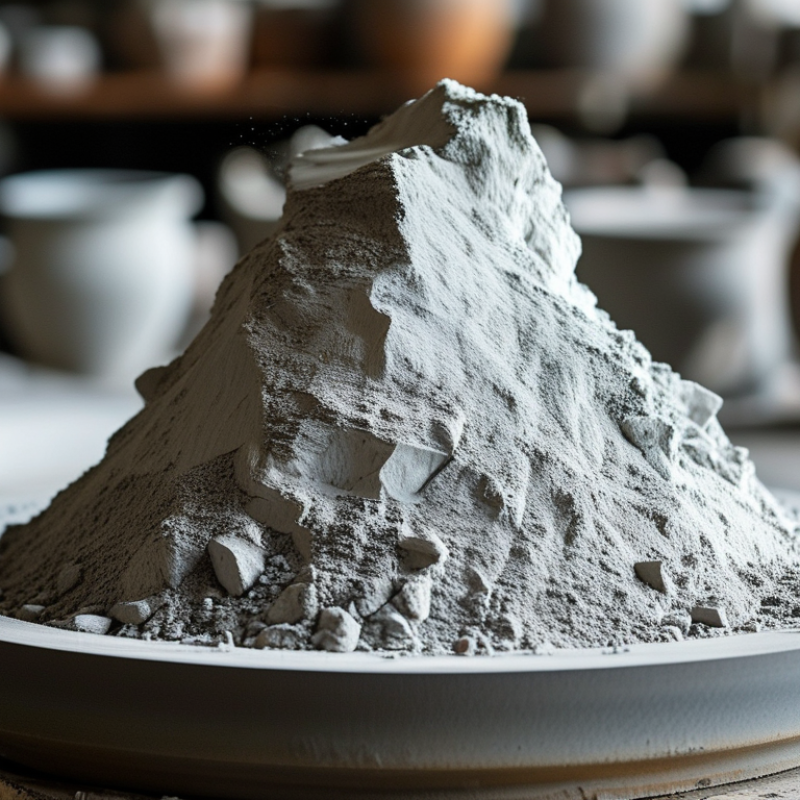
Silicon nitride ceramic powder exhibits unique characteristics that make it a popular choice in various industries. Its hardness and wear resistance are exceptional. This material has a low thermal conductivity, which is beneficial in high-temperature environments. These properties enable silicon nitride to withstand severe conditions, making it ideal for applications in aerospace and automotive sectors.
Understanding the composition of silicon nitride is vital. It typically consists of silicon, nitrogen, and often traces of other elements. This composition leads to its strong covalent bonds, enhancing the material's strength. However, not all silicon nitride powders are created equal. The manufacturing process can significantly affect the powder's properties. Variations in particle size can result in different performance in sintering processes.
It’s essential to consider your specific application requirements. For example, if the component needs high toughness and thermal shock resistance, a finer powder might be necessary. On the other hand, a coarser powder may be more suitable for applications where machinability is key. Incompatibilities can arise if the powder does not meet the intended application standards. Making informed decisions about silicon nitride ceramic powders requires careful analysis of your needs and their properties.
Evaluating the Purity and Quality of Silicon Nitride Powder
When assessing silicon nitride powder, purity is a critical factor. High-quality silicon nitride should have minimal impurities. These impurities can significantly affect performance in applications, such as in the aerospace or medical fields. It's essential to request detailed reports from suppliers on their powder's composition. Understanding the source of the material also aids in evaluating quality.
Quality is not solely determined by purity. The particle size distribution plays a crucial role in product performance. Fine powders offer better sintering capabilities. However, they can also pack more tightly and potentially lead to defects in certain applications. Testing the flowability of the powder is equally important. If a powder cannot flow freely, it might cause issues in the manufacturing process.
Another important aspect to consider is the manufacturing method used for the silicon nitride powder. Techniques like gas pressure sintering or hot pressing yield different properties. Each method presents its own challenges. It might be beneficial to consider a combination of methods to achieve desired attributes. Evaluating all these factors holistically ensures a better match for specific applications. However, the variability among different suppliers may add complexity to the selection process.
Silicon Nitride Powder Purity Evaluation
This chart displays the evaluation of silicon nitride ceramic powder purity levels based on observed percentages in various quality classifications. The data illustrates that the majority of products (50%) are within the highest purity category (99.5% and above).
Analyzing Particle Size and Distribution for Optimal Performance
Choosing the right silicon nitride ceramic powder involves a deep understanding of its particle size and distribution. Particle size plays a significant role in enhancing mechanical properties, such as strength and toughness. Research indicates that an optimal particle size range of 0.5 to 5 micrometers is crucial for improved sintering behavior and final product density. A distribution with a narrow size range can lead to a more uniform microstructure, contributing to enhanced performance characteristics.
In a study by the American Ceramic Society, data revealed that powders with a bimodal particle size distribution often yield better sintering outcomes. This process creates a denser material. Regularly, materials with a high percentage of smaller particles can fill the voids between larger ones. However, excessive fines can lead to agglomeration, reducing flowability during processing. Understanding this delicate balance is essential for manufacturers aiming to produce high-quality components.
Analyzing the flowability and packing density of silicon nitride powders can be challenging. Variations in particle shapes and surface roughness further complicate this evaluation. While achieving the ideal particle size distribution may seem straightforward, it often requires iterative testing and adjustments. Practitioners should carefully consider these factors, ensuring they don't overlook any potential inefficiencies. Balancing these variables is key to maximizing the performance of silicon nitride ceramics in applications ranging from aerospace to biomedical devices.
Comparing Production Methods for Silicon Nitride Ceramics
Choosing the right production method for silicon nitride ceramics is crucial. Each method affects the characteristics of the resulting powder differently. Typically, the two main production methods are the gas-phase reaction and solid-state reaction. The gas-phase method yields finer particles, which can enhance sintering. In contrast, solid-state processes often result in larger particles, impacting mechanical properties.
When exploring these methods, consider the specific applications. For high-stress environments, the finer grains from gas-phase can be beneficial. However, for cost-sensitive projects, solid-state methods may provide a more economical solution, albeit with trade-offs in performance characteristics. Be ready to adapt your choice based on requirements.
Here are some practical considerations. Evaluate the thermal and mechanical requirements of your specific application. Understand how grain size and distribution might influence performance. Additionally, reflect on the scalability and cost-effectiveness of the production method. Each production method has its advantages and disadvantages, so careful evaluation is essential for achieving optimal results.
Assessing Application Demands When Choosing Silicon Nitride Powder
When selecting silicon nitride ceramic powder, it’s crucial to assess specific application demands. Understanding the working environment is essential. Factors like temperature, pressure, and the nature of the materials involved play a significant role. Different applications may require varying properties, thus affecting your choice of silicon nitride powder.
For instance, high-performance applications often demand superior strength and toughness. If the material will face extreme temperatures, ensure the silicon nitride powder can withstand those conditions. Testing different formulations may reveal unexpected results. A less common grade might work better than a widely used one.
Moreover, consider the processing methods. Some powders blend better with certain techniques. If you're unsure, collaborating with experts can provide valuable insights. Relying solely on supplier recommendations can lead to unintended consequences. Every application is unique, so thorough assessments can save resources and improve reliability.
How to Choose the Best Silicon Nitride Ceramic Powder? - Assessing Application Demands When Choosing Silicon Nitride Powder
| Property | Importance in Application | Typical Range |
| Density | Critical for structural integrity | 3.1 - 3.3 g/cm³ |
| Hardness | Determines wear resistance | 18 - 21 GPa (Vickers) |
| Thermal Conductivity | Affects thermal management | 20 - 30 W/m·K |
| Flexural Strength | Influences load-bearing capacity | 700 - 900 MPa |
| Fracture Toughness | Determines resistance to crack propagation | 5 - 7 MPa·m1/2 |
| Sintering Temperature | Affects powder processing and final properties | 1500 - 1850 °C |
| Purity | Important for electrical and thermal applications | ≥ 99% |





