How to Choose the Best Servo Power Stabilizer for Your Needs?
In today's world, reliable power supply is crucial for both residential and industrial applications. A Servo Power Stabilizer serves as an essential tool in this context. It helps maintain voltage levels, ensuring the safe operation of electronic equipment. Choosing the right stabilizer can seem overwhelming due to the myriad of options available.
Considerations such as power capacity, efficiency, and brand reputation influence your choice. Each factor plays a role in how well the device meets your requirements. It is easy to feel lost among numerous technical specifications and features. Not every stabilizer will suit every situation, making informed decisions vital.
Testing different models and consulting experts can clarify your options. Look for user reviews and professional recommendations to gauge reliability. Reflecting on your actual needs will improve your selection process. Prioritizing quality over cost can save you from future headaches, leading to a more informed choice of a Servo Power Stabilizer.
Understanding the Function of Servo Power Stabilizers
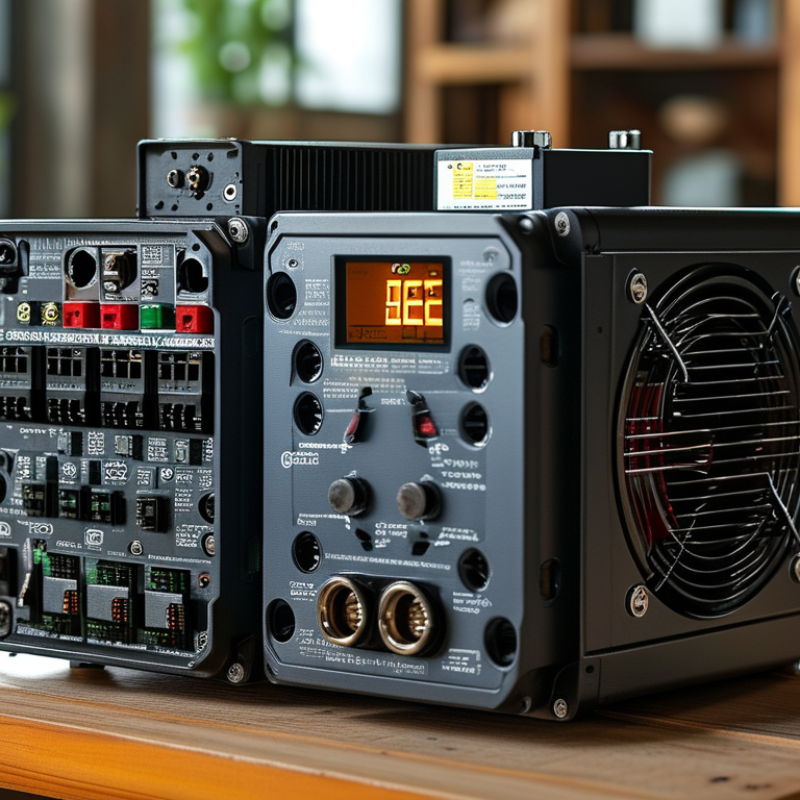
Servo power stabilizers play a vital role in managing electrical fluctuations. These devices regulate voltage to ensure that equipment operates efficiently. They stabilize current, protect against surges, and enhance equipment lifespan. Understanding their function helps users select the right stabilizer for their needs.
When considering a servo power stabilizer, think about your equipment's requirements. Not all devices need the same voltage or capacity. Measure voltage variations in your area. Such data can guide your choice. It’s essential to consider load capacity and response time of the stabilizer. Unmatched specifications can lead to inadequate protection.
Tips: Always assess your electricity supply closely. Frequent fluctuations indicate a need for a stabilizer. Choose one with a good response time to ensure immediate protection. Review user feedback for insights into reliability. Every stabilizer has limitations; understanding these will help prevent unexpected failures.
Key Factors to Consider When Choosing a Servo Power Stabilizer
Choosing the right servo power stabilizer requires careful consideration. One of the key factors is the voltage range. Ensure the stabilizer handles the voltage fluctuations you encounter. A stabilizer meant for broader voltage ranges will provide better protection for your equipment.
Another critical aspect is the load capacity. You need a stabilizer that can support the total wattage of your connected devices. A model with insufficient capacity may not perform well. Check the specifications against your needs before making a choice.
**Tips:** Look for features like surge protection and response time. A quick response to voltage changes can prevent damage to sensitive equipment. Also, consider the brand's warranty policy. A reliable product often comes with a solid warranty, indicating the manufacturer's confidence in their device. Always do your research. Reading expert reviews can provide valuable insights.
Comparison of Key Factors in Choosing a Servo Power Stabilizer
Types of Servo Power Stabilizers and Their Applications
When selecting a servo power stabilizer, understanding the various types and their applications is crucial. Servo power stabilizers come in several categories, each designed for specific environments. For instance, the servo motor-based stabilizers are often used in industrial settings. They can quickly adapt to voltage fluctuations, ensuring that your machines operate smoothly. On the other hand, static stabilizers are less reactive but provide a stable output for sensitive electronic equipment.
Tips: Always consider load capacity. If your equipment demands high power, opt for a stabilizer designed to handle that load. Inspect the stabilization range. A larger range can accommodate greater voltage fluctuations.
Another significant type is the three-phase servo stabilizer. This type is suitable for heavy industrial use and ensures equal voltage supply across all three phases. However, the complexity of installation and maintenance should not be underestimated. It requires expert handling, which might incur additional costs.
Tips: Regular maintenance checks can preemptively resolve issues. Always stay informed about new technologies in stabilizers; they often offer better efficiency.
Assessing Your Power Needs for Optimal Stabilizer Selection
When selecting a servo power stabilizer, understanding your power needs is crucial. Begin by assessing your current equipment's voltage and current requirements. Identify the devices that require stabilization. This ensures you avoid purchasing unnecessary capacity. Sometimes, people overlook smaller equipment that might also need protection.
Consider the environment where the stabilizer will be used. Will it be exposed to extreme temperatures or humidity? These factors can impact the stabilizer's performance. It’s essential to match the stabilizer's specifications to its operating conditions. Many users have encountered issues when their stabilizers failed due to environmental factors.
Evaluate the total power load. This means calculating the combined wattage of all connected devices. If your load fluctuates frequently, a stabilizer with adjustable output may be beneficial. Some might select a stabilizer based solely on price, forgetting to account for their specific needs. Reflecting on this can lead to better, more informed choices.
Evaluating Quality and Reliability of Servo Power Stabilizers
When evaluating the quality and reliability of servo power stabilizers, several factors come into play. One critical aspect is the build quality. A well-constructed stabilizer often indicates durability and a longer lifespan. Check if the device has robust materials. Look for features like overheating protection and voltage regulation. These elements can be essential for preventing damage to connected equipment.
Another key consideration is the manufacturer's track record. A company with years of experience in the industry tends to produce more dependable products. Consumer reviews can provide insights into the device's performance over time. Sift through online forums for real user experiences. Engaging with these communities can yield valuable knowledge that technical specifications alone may not reveal.
Lastly, calibration and testing are crucial for reliability. A stabilizer that is not properly calibrated may fail in critical situations. If possible, verify that the device has been tested to meet specific standards. Seek out information regarding the product's performance under various conditions. Small details might seem insignificant but can make a significant difference in long-term reliability.





