How to Choose the Best Reinforced Bars for Your Project?
Choosing the right Reinforced Bars for construction projects is crucial for safety and longevity. According to a report by the Global Reinforced Bars Market, the demand for these materials is expected to grow by 5.1% annually. This trend highlights the importance of informed decisions when selecting reinforced bars. Experts stress that quality and specifications significantly influence structural integrity.
Renowned structural engineer Dr. John Smith states, "The choice of reinforced bars can make or break a construction project." His words resonate in an industry where improper selection can lead to costly failures. A well-informed decision can enhance durability and performance.
Different projects have varying requirements. Factors like environmental conditions, load-bearing capacity, and local regulations must be considered. While some may opt for cheaper options, quality should never be compromised. Often, a balance between cost and performance is necessary. Reflecting on past experiences can guide future choices in reinforced bars. Understanding these complexities is vital for achieving project success.
Understanding Reinforced Bars: Types and Specifications
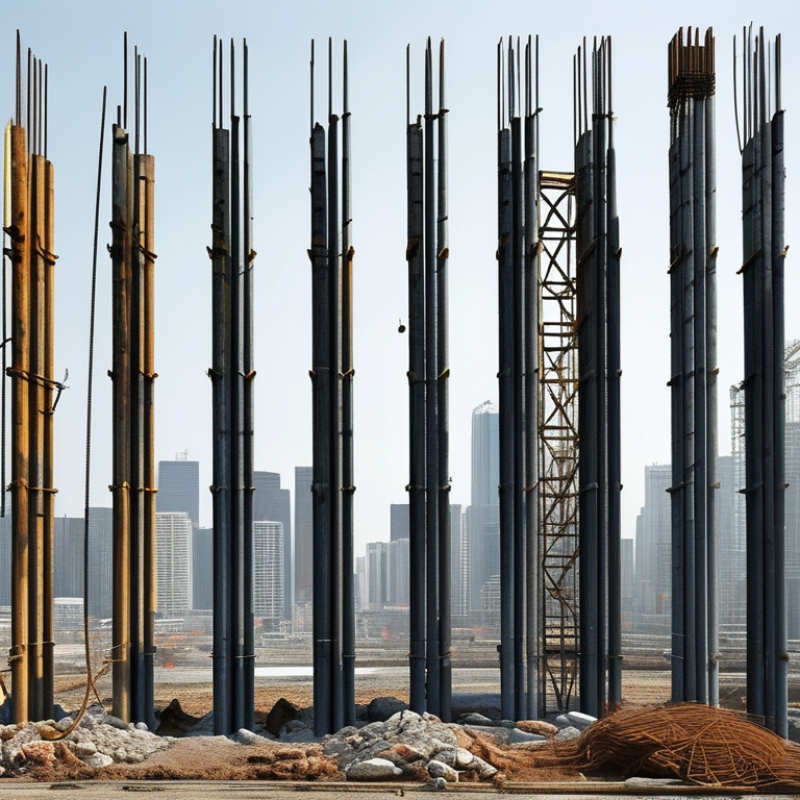
When selecting reinforced bars, understanding types and specifications is vital. Reinforced bars, commonly known as rebar, are essential in construction. Different materials exist, such as steel and fiberglass. Each type has unique properties that affect performance. For instance, steel rebars offer high tensile strength, which is ideal for heavy loads. On the other hand, fiberglass rebars resist corrosion, suitable for humid environments.
Specifications also vary. Diameter, grading, and yield strength are crucial factors. Larger diameters provide more support but can be heavy and unwieldy. Some projects may require different grades to meet specific structural demands. For example, a high-yield rebar can bear more weight without bending.
Choosing the right bar often involves balancing performance and cost. It's easy to overlook the importance of proper placement and spacing. Mistakes here can lead to structural failure. Every project is unique, and careful consideration is necessary. Planning ahead and consulting with experts can prevent future issues. Ignoring these details can result in costly rework and compromises in safety.
How to Choose the Best Reinforced Bars for Your Project?
| Type of Reinforced Bar | Diameter (mm) | Yield Strength (MPa) | Elongation (%) | Applications |
| Epoxy Coated Bars | 12 | 400 | 12 | Marine Structures |
| High Strength Bars | 16 | 600 | 10 | Heavy Load Applications |
| Stainless Steel Bars | 10 | 300 | 15 | Corrosive Environments |
| Regular Steel Bars | 20 | 250 | 20 | General Construction |
| Wire Reinforcement | 8 | 500 | 18 | Thin Sections |
Evaluating Material Characteristics: Steel Grades and Strength Levels
When choosing reinforced bars, understanding material characteristics is essential. Steel grades and strength levels significantly impact the integrity of your project. According to the World Steel Association, steel grades such as TMT (Thermo-Mechanically Treated) and HYSD (High Yield Strength Deformed) provide excellent ductility and yield strength. These properties are crucial for structures subjected to heavy loads.
High-strength steel bars can withstand higher stress, enhancing structural safety. For instance, Grade 60 bars have a yield strength of around 60,000 psi. This high yield strength is advantageous in high-rise buildings and bridges. Yet, more strength can sometimes lead to brittleness. It is essential to balance strength and ductility for optimal performance.
Additionally, the manufacturing process affects the bar's overall quality. Poorly produced bars may not meet stringent standards. A report by the American Concrete Institute emphasizes the importance of adhering to ASTM standards for reinforced bars. This compliance ensures that the materials used are reliable. Striking a balance between cost and quality is also a conundrum for many construction managers. Choosing the wrong material can lead to safety concerns and financial losses. Fine-tuning your selection based on detailed evaluations will lead to more successful project outcomes.
Assessing Corrosion Resistance: Coating Options and Their Benefits
When choosing reinforced bars, corrosion resistance is a key consideration. The coating options available today offer varying levels of protection against environmental factors. Among these, epoxy coating stands out for its effectiveness. This coating creates a barrier that prevents moisture and chemicals from reaching the steel. However, its application must be precise; any damage during handling can compromise its integrity.
Another popular option is galvanized steel. This process involves coating the bars with zinc. Galvanization provides a robust defense against corrosion, especially in humid conditions. Yet, it is not infallible. Over time, the zinc layer may wear away, especially in high-stress environments. Regular inspections can help identify issues early. Choosing the right coating requires evaluating the specific environment of your project. Each option has its pros and cons, and often, there isn't a one-size-fits-all solution. Consider conducting a detailed analysis to determine what will work best for your needs.
Calculating Project Requirements: Load-Bearing Capacities and Sizes
When planning a construction project, calculating load-bearing capacities and sizes is crucial. Reinforced bars play a key role in ensuring structural integrity. Understanding the stresses that the structure will face is essential for selection. Heavy loads require bars with higher tensile strength, while lighter applications may allow for smaller sizes.
It can be challenging to predict exact requirements. Factors such as environmental conditions and potential impacts can change dynamics. Some engineers overlook these variables, leading to underperformance. Testing materials under realistic conditions is advisable. This helps in knowing whether the selected bars can withstand unforeseen stresses.
Pay attention to the project's unique needs. Consider dimensions and spacing of the bars. Too little space can affect concrete bonding, while too much might compromise overall strength. Continuous consultation with structural experts can prevent errors. Mistakes may occur due to assumptions about loads. Ensuring thorough calculations can save costs and time in long-term project execution.
Load-Bearing Capacities of Reinforced Bars
Cost Analysis: Budgeting for Reinforced Bars in Construction Projects
Budgeting for reinforced bars in construction projects is crucial. When you start estimating costs, consider the type of project. Different applications require varying strengths and specifications. Identify whether you need standard or high-strength reinforced bars. This decision impacts your budget significantly.
Material prices fluctuate. Stay updated on market trends. Prices can differ based on local suppliers or manufacturing techniques. Request quotes from multiple vendors. This can help you find a competitive rate. Remember that quality matters. Cheaper options might lead to higher costs later, especially if structural integrity is compromised.
Labor costs also play a role. Installing reinforced bars requires skilled workers. Investigate potential labor expenses in your area. Factor in the time needed for installation; delays can inflate costs. Always leave room in your budget for unexpected expenses. Projects often encounter surprises that can strain finances. Balancing costs with quality is essential, ensuring a successful outcome while maintaining budgetary constraints.





