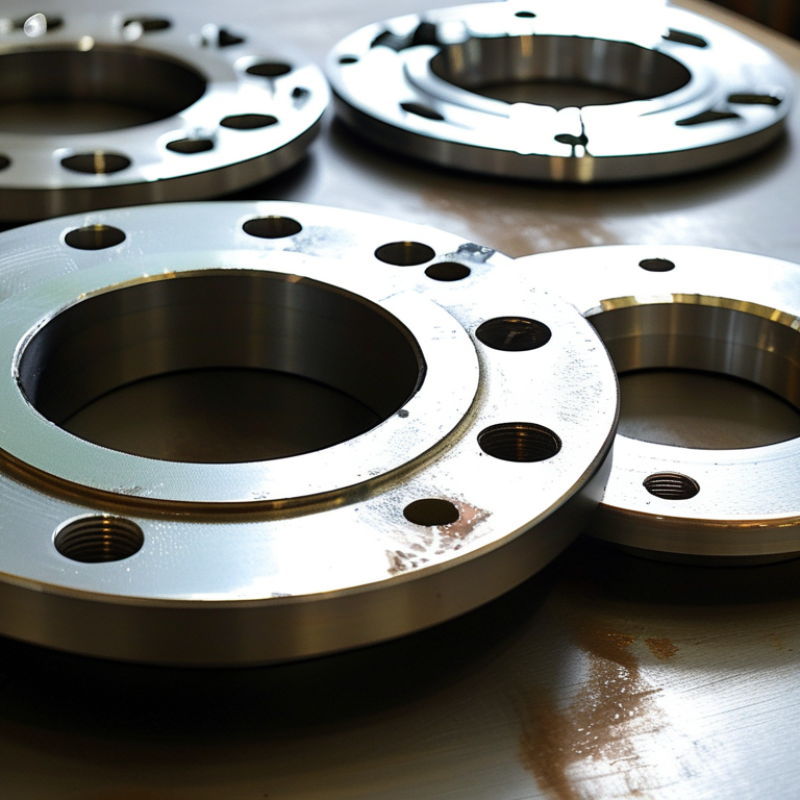
How to Choose the Best Plate Flat Welding Flange for Your Needs?
Choosing the right Plate Flat Welding Flange is crucial for any welding project. This component plays a key role in ensuring the structural integrity of various applications. With so many options available, it's essential to identify what meets your specific needs.
Consider the material type when selecting a Plate Flat Welding Flange. Different materials can enhance durability and compatibility with various environments. For instance, stainless steel is resistant to corrosion, making it suitable for harsh conditions. However, it might not always be cost-effective.
Don't overlook the size and pressure rating of the flange. An improper choice can lead to leaks or even structural failures. Reflecting on these factors can help you make a more informed decision. It’s also wise to consult with experts. Their experience can guide you toward a reliable option that fits your project's requirements.
Understanding Plate Flat Welding Flanges: A Comprehensive Overview
Plate flat welding flanges play a crucial role in various piping systems. Understanding their design and application is essential for making an informed choice. These flanges offer a flat surface for welding, ensuring a secure connection. They are available in various sizes and materials, tailored for different pressures and temperatures. Selecting the correct type ensures a leak-proof seal and enhances safety.
When choosing a plate flat welding flange, consider the environment in which it will be used. High-pressure systems demand robust materials like stainless steel, while lower-pressure applications may use carbon steel. Assessing temperature tolerance is also vital. A mismatch could lead to failure.
Take a moment to reflect on your project requirements. Have you evaluated the specific pressures and temperatures? Are you aware of how different materials can affect longevity? Consulting with an expert can provide insights that might save time and prevent costly mistakes. Always verify that the dimensions and specifications meet your system's needs to avoid installation issues later.
Key Factors to Consider When Selecting a Plate Flat Welding Flange
Choosing the right plate flat welding flange involves several critical factors. Material selection is paramount. Different applications demand materials with varying strengths and corrosion resistance. Common materials include stainless steel and carbon steel. Consider the environment where the flange will be used. High temperatures or exposure to chemicals may require specialized materials.
Size and thickness are also crucial. Ensure the flange matches the pipe diameter and fits well. An ill-fitting flange can lead to leaks and failures. Measure accurately, and review dimensional specifications thoroughly. While the aesthetics might seem unimportant, a flange's design can affect its performance in certain situations.
Lastly, think about the manufacturing process. Some flanges are forged, others are cast. Each method has distinct characteristics that affect strength and durability. Forged flanges are typically stronger, while cast flanges can be more economical. A good balance between cost and performance is essential. Reflect on your needs and seek advice from industry experts if unsure.
How to Choose the Best Plate Flat Welding Flange for Your Needs? - Key Factors to Consider When Selecting a Plate Flat Welding Flange
| Dimension (mm) | Thickness (mm) | Material | Pressure Rating (bar) | Temperature Resistance (°C) |
| 100 x 100 | 10 | Carbon Steel | 16 | 200 |
| 150 x 150 | 12 | Stainless Steel | 20 | 250 |
| 200 x 200 | 15 | Alloy Steel | 25 | 300 |
| 250 x 250 | 20 | Duplex Steel | 30 | 350 |
| 300 x 300 | 25 | Titanium | 40 | 400 |
Materials and Specifications for Optimal Performance in Welding Flanges
When selecting a plate flat welding flange, material choice is essential. Common materials include carbon steel, stainless steel, and alloy steel. Carbon steel is robust and cost-effective, making it suitable for general applications. Stainless steel, on the other hand, offers superior corrosion resistance. It is vital for environments with moisture or chemicals. Alloy steel provides strength and durability, ideal for high-stress situations.
Each material has specific specifications affecting performance. For instance, tensile strength, yield strength, and temperature limits are crucial factors. Understanding the environment where the flange will be used helps in selecting the correct material. A flange used in high-temperature systems might require materials with a higher melting point. It is also important to consider the compatibility with adjoining materials to prevent failure.
Weld preparation is another area needing reflection. Clean surfaces lead to stronger joints. Any rust, oil, or contaminants should be removed prior to welding. Overheating during the process can also weaken the flange. A proper technique and understanding of welding practices enhance overall performance. Selecting the right flange is not just about material; it involves considering how each factor interacts to ensure long-term reliability.
Application Scenarios: Choosing the Right Flange for Your Project
Choosing the right plate flat welding flange is crucial for the success of any project. Specific application scenarios can significantly influence the flange type you select. For example, flanges used in high-pressure piping systems should have enhanced durability and resistance to environmental factors.
According to a recent industry report, over 68% of failures in piping systems result from improper flange selection and installation. This statistic highlights how critical the correct choice is for maintaining system integrity.
In architectural projects, aesthetic considerations may also play a role. Flanges can affect not only the structural performance but also the overall appearance. For systems that involve high flow rates, such as in water treatment plants, thicker flanges with robust seals are recommended.
The American Society of Mechanical Engineers (ASME) emphasizes that using mismatched materials can lead to leaks and increased maintenance costs. Recent studies indicate that nearly 30% of maintenance expenditures in industrial facilities are related to flange issues.
The welding technique employed can also dictate flange choice. For instance, a project requiring high-strength joints may benefit from flanges designed to accommodate specialized welding methods. Flange dimensions and pressure ratings should align with the project's specific requirements.
Neglecting these factors can lead to operational inefficiencies and safety risks. It becomes evident that understanding your project's unique demands is vital when selecting a flange.
Installation and Maintenance Tips for Plate Flat Welding Flanges
When working with plate flat welding flanges, proper installation is crucial. Ensure the surfaces are clean and free of debris. Any contaminants can lead to weak joints. Use a suitable gasket to enhance the seal. Different materials can affect performance. Pay attention to torque specifications during the bolting process. Over-tightening can warp the flange, while under-tightening may lead to leaks.
Maintenance of plate flat welding flanges also requires attention. Regular inspections help detect signs of wear or corrosion. Look for abnormal vibrations or leaks that may indicate a problem. It’s important to address these issues early. Lubrication can reduce friction and wear at the connection points. However, a meticulous balance is necessary; too much lubricant can attract debris.
Flanges can be sensitive to environmental conditions. Temperature fluctuations may affect their integrity. Always consider the operating conditions during installation and maintenance. Reflecting on the installation steps can sometimes reveal overlooked areas. Understanding the limits and capabilities of your flanges enables better long-term performance.
Plate Flat Welding Flange Selection Criteria