How to Choose the Best Packaging Machine for Your Business?
In today's fast-paced market, choosing the right Packaging Machine is crucial. According to a recent report by Smithers Pira, the global packaging machinery market is projected to reach $45 billion by 2024. This growth reflects the rising demand for efficient packaging solutions. As businesses aim for productivity, an appropriate packaging machine becomes essential.
John Smith, an industry expert with over 20 years of experience, emphasizes, "The right packaging machine can drastically influence operational efficiency." This statement rings true as companies strive to deliver quality products swiftly. A packaging machine not only enhances production speed but also ensures consistency and accuracy in packaging processes.
However, selecting the best packaging machine is not always straightforward. Various factors, such as product type and production volume, must be considered. Potential buyers often overlook specific needs, leading to mismatched choices. Reflecting on these aspects will lead to sound investments that support long-term business growth.
Understanding Your Packaging Needs and Business Requirements
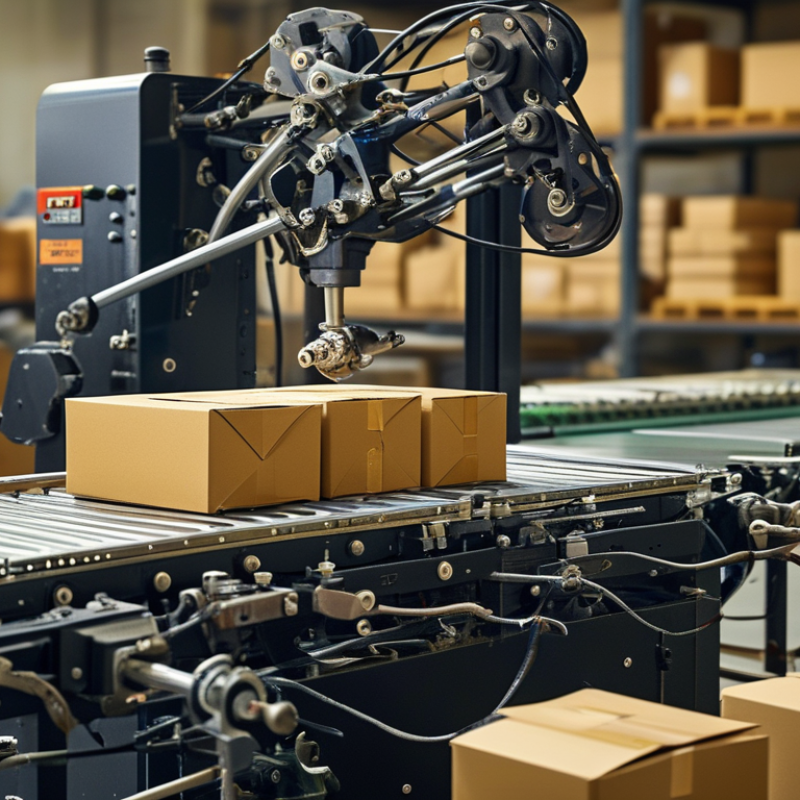
Choosing the right packaging machine is crucial for your business success. Understanding packaging needs is the first step. Consider your product dimensions, weight, and fragility. Is your product delicate or heavy? This will influence the machine type you should select. Customization is often necessary to meet specific requirements. A one-size-fits-all machine may not suffice.
Next, analyze your production volume. Are you accelerating production or keeping it steady? A high-output machine can speed up operations but may have a higher upfront cost. Maintenance needs should also be assessed. Machines with simple designs can save time and reduce costs over time. Remember, an overly complex machine may become a burden.
Lastly, think about future growth. Your business may expand, so flexibility in machinery is beneficial. Assess your budget carefully. Sometimes, lower initial costs lead to higher expenses later. Evaluate the total cost of ownership, not just the purchase price. This reflection is vital for long-term planning. Consider consulting with experts. They can guide you based on their experiences and insights into the industry.
Packaging Machine Types and Their Efficiency
Types of Packaging Machines Available in the Market
When selecting a packaging machine for your business, it's crucial to understand the types available. Packaging machines can be categorized into several types, each designed for specific tasks. For instance, automatic filling machines are ideal for liquids and powders, ensuring precise dosages. They save time and reduce human error, but initial costs can be high.
Another type is vacuum packaging machines. These machines extend product shelf life by removing air. They work well for food items, but not every product is suitable for vacuum sealing. Consider your product’s nature before investing in this technology. Line efficiency might decrease with complex setups, which can be frustrating.
Shrink wrapping machines offer a different solution. They are effective for bundling multiple items together. Their versatility makes them popular, but users often report issues with consistency. Adjustments may be needed for varying product shapes. Understanding these machines' strengths and limitations can help you make a more informed choice, ultimately aligning with your production needs.
How to Choose the Best Packaging Machine for Your Business? - Types of Packaging Machines Available in the Market
| Type of Packaging Machine | Best Used For | Speed (Units/hour) | Cost Range ($) | Key Features |
| Vertical Form Fill Seal (VFFS) | Snacks, Powders, Granules | 30-100 | $20,000 - $50,000 | Flexible packaging, high efficiency |
| Horizontal Form Fill Seal (HFFS) | Food products, Bakery items | 20-80 | $30,000 - $70,000 | Multi-lane filling, customizable |
| Shrink Wrapping Machine | Bundles of products, Boxes | 25-200 | $10,000 - $40,000 | Space-saving design, automatic sealing |
| Labeling Machine | Bottles, Cans, Boxes | 30-100 | $5,000 - $25,000 | Automatic operation, high accuracy |
| Blister Packaging Machine | Pharmaceuticals, Electronics | 40-150 | $40,000 - $100,000 | Tamper-proof, product visibility |
Key Features to Consider When Selecting a Packaging Machine
Choosing the right packaging machine for your business involves careful consideration of several key features. One significant factor is production speed. According to a 2022 report by Packaging Strategies, nearly 70% of manufacturers cite speed as a top requirement. A machine capable of handling various speeds can adapt to demand fluctuations. This flexibility can reduce downtime and maximize efficiency.
Another crucial aspect is the machine's versatility. The ability to accommodate different packaging types—such as pouches, boxes, or shrink wraps—can enhance your product appeal. A study published in the Journal of Packaging Science indicated that businesses leveraging versatile machines have increased their market share by as much as 15%. However, complexity can also lead to challenges. Many users report issues with machine adjustments, which can disrupt workflow.
Durability is equally important. The lifespan of a packaging machine often reflects the quality of materials used in its construction. Opting for machines made from high-grade stainless steel can prevent rust and maintain hygiene standards. However, this might result in higher upfront costs, leading to potential budget constraints. Balancing cost and longevity is necessary for smart investment decisions.
Evaluating Budget and Total Cost of Ownership for Machines
When choosing a packaging machine, evaluating the budget and total cost of ownership is critical. Begin by assessing the initial purchase price, which can vary significantly based on features. A lower purchase price might be attractive, but consider potential hidden costs. Parts, maintenance, and operator training can add up over time.
Next, look at the machine's efficiency. A more advanced machine might have a higher upfront cost but can save money in labor and material. Analyze the energy consumption as well. Machines that use less energy might offset the initial investment. Don’t ignore the importance of warranties and service agreements. A reliable support system can reduce long-term expenses and downtime.
Lastly, reflect on your production needs. Will the machine meet future growth? It's easy to underestimate future demands. Investing in a machine suited for current needs might lead to costly upgrades later. Prioritize flexibility and scalability. Balancing short-term costs with long-term functionality can lead to better financial decisions.
Supplier Reputation and After-Sales Support Evaluation
Choosing the right packaging machine can significantly impact your business's efficiency and profitability. When evaluating suppliers, reputation and after-sales support should be at the forefront of your decision-making process. According to a survey by the Packaging Machinery Manufacturers Institute, over 70% of packaging machine users report choosing suppliers based on reliability and support quality. This starkly illustrates how critical supplier performance is after the sale.
After-sales support includes installation, maintenance, and technical assistance. You want to ensure the supplier offers robust support for their products. A study by Freedonia Group highlights that companies with strong after-sales support see a 30% increase in machine uptime. This directly correlates to higher productivity and lower operational costs, reinforcing the need to choose wisely.
Tips: Look for suppliers with positive customer testimonials. Check for reviews indicating reliability and quick response times. Evaluate their service offerings, including training and maintenance, to ensure they meet your specific needs. Having strong after-sales support can make a significant difference, especially in times of unexpected challenges. Don’t overlook this aspect; it’s crucial for long-term success.





