How to Choose the Best Overcurrent Testing Equipment for Your Needs?
Choosing the right Overcurrent Testing Equipment is vital for ensuring electrical safety and efficiency. According to Dr. Emily Carter, a leading expert in electrical engineering, "Selecting appropriate testing equipment can make all the difference in preventing failures." Her statement highlights the importance of making informed decisions in this field.
Overcurrent Testing Equipment varies widely, each designed for specific applications. With so many options available, the selection process can be overwhelming. Quality and reliability are paramount. This equipment needs to meet rigorous standards to ensure accurate measurements. Poor choices can lead to costly errors and safety risks.
As you explore your options, consider the equipment's features and compatibility with your existing systems. Research different brands and seek expert opinions. This attention to detail can help you make a more informed decision. Don't overlook the necessity of thorough evaluations to enhance your operational safety and efficiency.
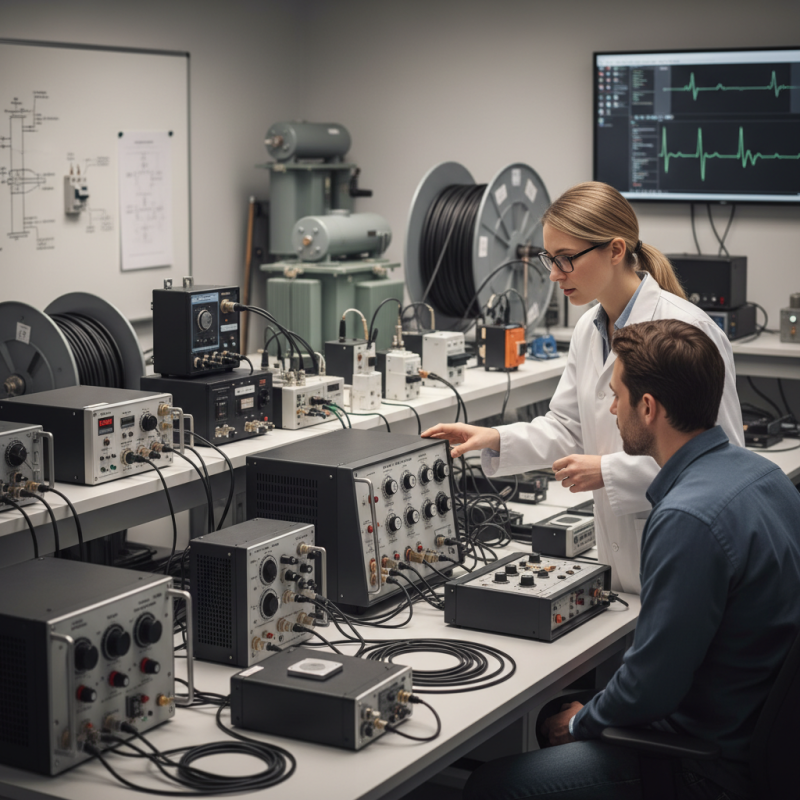
How to Identify Your Specific Overcurrent Testing Requirements
Identifying your specific overcurrent testing requirements is critical for effective equipment selection. Start by assessing your electrical system's ratings. Consider the maximum current levels your systems typically face, as well as the fault levels during fault conditions. According to industry reports, about 30% of electrical failures involve overcurrent issues. This statistic highlights the importance of tailored testing solutions.
Next, evaluate the environmental conditions in which the testing will occur. Will it be in a controlled lab or a harsh field environment? Equipment used in extreme conditions may require additional protective features or certifications, as outlined by the International Electrotechnical Commission (IEC). Aligning the test equipment's specifications with your operational context ensures reliability.
Focus on the specific standards your industry follows. Different sectors have unique compliance requirements. For example, power utilities often adhere to the IEEE standards for testing. Understanding these standards can help streamline the selection process and confirm that the equipment meets necessary guidelines. A mismatch here may lead to inadequate testing, risking safety and performance outcomes. Reflecting on these aspects can aid in making informed decisions.
Key Features to Look for in Overcurrent Testing Equipment
When selecting overcurrent testing equipment, focus on essential features that enhance effectiveness. First, consider the equipment's measurement range. It should accommodate your specific testing needs, whether in low or high current scenarios. Accuracy is crucial too; choose equipment with a proven track record for precise results. Quality devices often come with calibration options to ensure consistent performance over time.
Next, user-friendliness is vital. Devices with intuitive interfaces simplify operation and reduce the chance of errors. Portability matters as well. Lightweight and compact designs allow for easy transportation and accessibility, especially in field applications. Examine the battery life to avoid interruptions during testing sessions.
Finally, check the support and resources available for the equipment. Resources like manuals, video tutorials, and customer support can make a significant difference in user experience. However, not all equipment comes with comprehensive documentation or responsive service. Take time to evaluate reviews and user experiences before committing to a purchase. Balancing these factors will help you make an informed decision.
Overcurrent Testing Equipment Features Comparison
This chart illustrates key features of overcurrent testing equipment. Each category represents different specifications that are critical for selecting the right equipment based on your needs.
Understanding Calibration and Accuracy in Overcurrent Testing Tools
When selecting overcurrent testing equipment, understanding calibration and accuracy is crucial. Overcurrent testing tools must be calibrated to ensure reliable results. Accurate readings reduce the risk of equipment damage and ensure safety. A report by the International Electrotechnical Commission shows that 40% of equipment failures result from inaccurate measurements.
Calibration should align with manufacturer specifications and industry standards. Regular checks are essential to maintain precision. A tool that is not properly calibrated can lead to overconfidence in results. This can result in significant downtime or financial loss. According to a survey by the Electric Power Research Institute, improper calibration reduced testing efficiency by 30%.
Recognizing limitations in testing tools is vital. Even well-calibrated instruments may have inherent inaccuracies due to temperature fluctuations or component wear. Studies indicate that a 5% accuracy discrepancy can lead to substantial operational risks. Understanding these factors allows technicians to make more informed decisions. Hence, investing time in calibration procedures is as critical as the tool's initial choice.
How to Choose the Best Overcurrent Testing Equipment for Your Needs?
| Equipment Type | Calibration Method | Accuracy (%) | Measurement Range | Price (USD) |
| Digital Multimeter | Automatic Calibration | ±0.5 | 0-100 A | 150 |
| Clamp Meter | Manual Calibration | ±1.0 | 0-200 A | 75 |
| Earth Fault Tester | ISO Standard Calibration | ±0.2 | 0-1000 A | 300 |
| Circuit Breaker Analyzer | In-House Calibration | ±0.3 | 0-500 A | 600 |
Comparing Popular Brands and Models in the Overcurrent Testing Market
When selecting overcurrent testing equipment, it's essential to evaluate various brands and models. Each brand has its strengths, with specific features that cater to different testing needs. Some models may excel in portability, while others offer advanced data logging capabilities. Your choice should align with your project's requirements, as not all devices serve the same purpose.
Consider user feedback and industry reviews before making a decision. Look for equipment that has demonstrated reliability in real-world applications. However, be aware that some popular models may have reliability concerns reported by users. These reflections can help you avoid common pitfalls. Analyzing both the positive and negative aspects of each option is crucial.
Finally, ensure that the models you consider meet your precise testing standards. More expensive options may not always be the best choice. Some budget-friendly models deliver excellent performance for basic testing needs. It often pays off to do thorough research and compare various models systematically. This approach can enhance your testing efficiency and outcome.
Cost Considerations and Budgeting for Overcurrent Testing Equipment
When selecting overcurrent testing equipment, cost is a primary factor. The price range can vary significantly based on features and capabilities. Basic models might start at a few hundred dollars, while advanced units could exceed several thousand. Investing in equipment that meets your specific needs is crucial, as overspending may lead to budget constraints later on. Balance functionality and affordability.
Consider not just the initial costs but also long-term expenses. Maintenance and calibration should factor into your budget. Some tools require regular servicing, which can add up over time. Sometimes, cheaper models might fail to deliver accurate readings. This could lead to costly mistakes in your operations.
Be prepared to reassess your options based on your findings. Do thorough research before making a purchase. Most importantly, ensure the equipment meets industry standards. Investing wisely will pay off in the long run, providing reliable data and performance. Always keep your budget goals in mind, but do not compromise on quality for a lower price.





