How to Choose the Best Metal Hole Cutter for Your Needs?
Choosing the right Metal Hole Cutter is crucial for achieving precision and efficiency in metalworking projects. According to a recent industry report by the Global Metal Cutting Tools Market, the demand for high-quality cutters has grown by 15% in the past year. This increase underscores the importance of selecting the most suitable tools for specific tasks.
Expert metallurgist Dr. Jane Thompson states, "The right Metal Hole Cutter can make all the difference in both durability and performance." Understanding your project's requirements is essential when evaluating different options. Factors such as material type, cutter size, and tooth design must be considered.
While many manufacturers claim to offer the best tools, not all options meet industry standards. Often, customers overlook the need for proper maintenance and usage to maximize the cutter's lifespan. This gap in knowledge can lead to frustration and wasted resources in the long run.
Understanding Different Types of Metal Hole Cutters Available on the Market
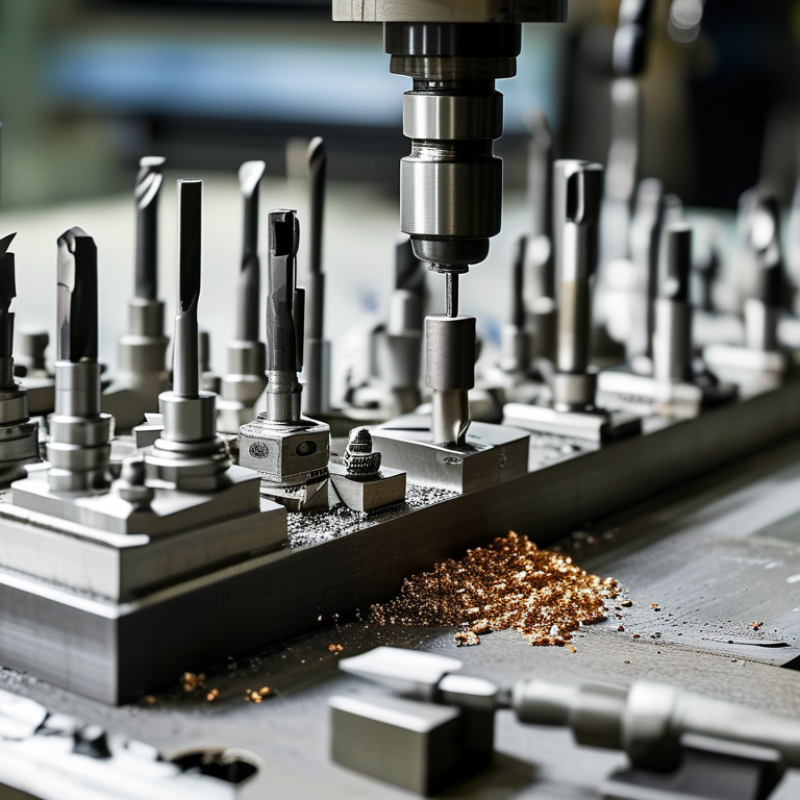
When choosing a metal hole cutter, understanding the types available is crucial. There are various options, including hole saws, step drills, and spade bits. Hole saws are versatile, often used for larger diameters. They work well on sheet metal and thin materials. Step drills are great for creating stepped holes, adjustable for different sizes. They excel in softer metals but may struggle with thicker materials. Spade bits are designed for quick drilling, suitable for wood, and soft metal applications, but they lack precision.
Tips: Consider your project requirements. If you're cutting into thick steel, a hole saw may be more effective. Research the thickness and type of material you’ll work with. This can save you time and money on tools that won’t meet your needs.
Don't overlook safety features. Some cutters come with built-in safety guards or require specific drill speeds. Always consult user manuals for proper use. Misusing tools can lead to accidents and poor results. Test the cutter on scrap material before the main project. Understanding limitations ensures optimal performance.
How to Choose the Best Metal Hole Cutter for Your Needs?
| Type | Material | Diameter Range | Max Thickness | Application |
| Bi-Metal Hole Cutter | High-Speed Steel with Cobalt | 3/4" - 4" | 1/4" | Metal, Wood, Plastic |
| Carbide Hole Cutter | Carbide-tipped | 1" - 6" | 1/2" | Hard Materials, Tile |
| Diamond Coated Hole Cutter | Diamond Coating | 1" - 4" | 1/4" | Glass, Ceramic |
| High-Speed Steel (HSS) Hole Cutter | High-Speed Steel | 1/2" - 3" | 3/8" | Metal, Wood |
| Steel Hole Cutter | Carbon Steel | 1" - 5" | 1/4" | Soft Metals |
Key Factors to Consider When Selecting a Metal Hole Cutter
Choosing a metal hole cutter requires careful consideration of several key factors. First, the material you’ll be cutting is crucial. Different metals, like aluminum and steel, require different cutter designs. A proper cutter will enhance efficiency and minimize wear. The cutter's cutting diameter is also essential. Ensure it matches your project needs. Incorrect sizes can lead to wasted materials and time.
Another aspect is the cutter's tooth design. Tapered teeth may be better for soft metals, while serrated teeth handle harder materials well. Think about the cutter's depth of cut. Some projects may require deeper penetration than others. Finally, consider ergonomics. A comfortable grip can reduce fatigue during extended use.
Remember, quality often reflects in performance. Investing in a reliable cutter might save future headaches. However, not all options will suit everyone. Testing different types may reveal unexpected preferences. Don’t overlook your own experience; it is valuable in refining your choice. If you're unsure, seek advice from experts or seasoned users. Their insights can guide you toward the best decision.
Comparing Material Durability and Cutting Efficiency in Hole Cutters
Choosing the right metal hole cutter involves understanding material durability and cutting efficiency. Many users focus on the sharpness of blades. However, the material construction greatly influences the cutter’s lifespan. Steel options often provide decent durability, but premium materials like carbide can offer enhanced performance. These materials can withstand higher temperatures and resist wear better.
Cutting efficiency is another crucial factor. A hole cutter that glides smoothly through metal reduces friction. This means less heat generation and cleaner cuts. When evaluating options, consider the cutter's design aspects. Some cutters have spiral flutes that help chips clear easily. This design can improve efficiency and extend the tool's life.
Reflect on your own needs. Are you working on thin or thick materials? The type of metal you cut also matters. Aluminum requires different tools than stainless steel. It's essential to match your cutter to your specific tasks. Each project can present unique challenges, and having the right tool can make a difference in results. Take your time researching. Making a well-informed choice can save frustration in the long run.
Tips for Proper Usage and Maintenance of Metal Hole Cutters
Choosing the right metal hole cutter is only part of the process. Proper usage and maintenance are essential for longevity and efficiency. Using your cutter correctly can prevent damage and ensure a clean cut.
When operating a metal hole cutter, always wear safety gear. This includes goggles and gloves. Secure your workpiece firmly. A loose piece can lead to accidents. Proper speed settings are crucial. Adjust them based on the material thickness. Too fast can overheat and dull the cutter.
For maintenance, clean your cutter regularly. Metal shavings can accumulate and affect performance. Inspect the cutting edges frequently. Dull edges need resharpening to ensure precision. Store your cutter in a protective case. This prevents damage from impacts or corrosion. Reflecting on these practices will help you get the most from your tool.
Safety Precautions When Using Metal Hole Cutters in Projects
When using metal hole cutters, safety should always come first. Studies show that accidents related to power tools account for nearly 70% of injuries in construction sites. Proper handling reduces these risks significantly. Always wear protective gear such as goggles and gloves. These items provide a barrier against flying debris and sharp edges.
Knowledge about machine operation is critical. A recent industry report indicated that improper usage leads to a 40% increase in injury risk. Before cutting, ensure the metal is secured to prevent unexpected movements. This can save you from potential harm. The right setup not only enhances safety but also improves cutting efficiency.
Finally, take time to inspect your equipment. Even slight damages on the cutter can lead to failures during use. Frequent maintenance checks increase reliability. Tools that are well cared for perform better and last longer. Reflect on past experiences; understanding previous mistakes is vital for future safety. Emphasizing these precautions makes for a safer workspace and enhances overall productivity.





