How to Choose the Best Medium Rectangular Non-Stick Griddle?
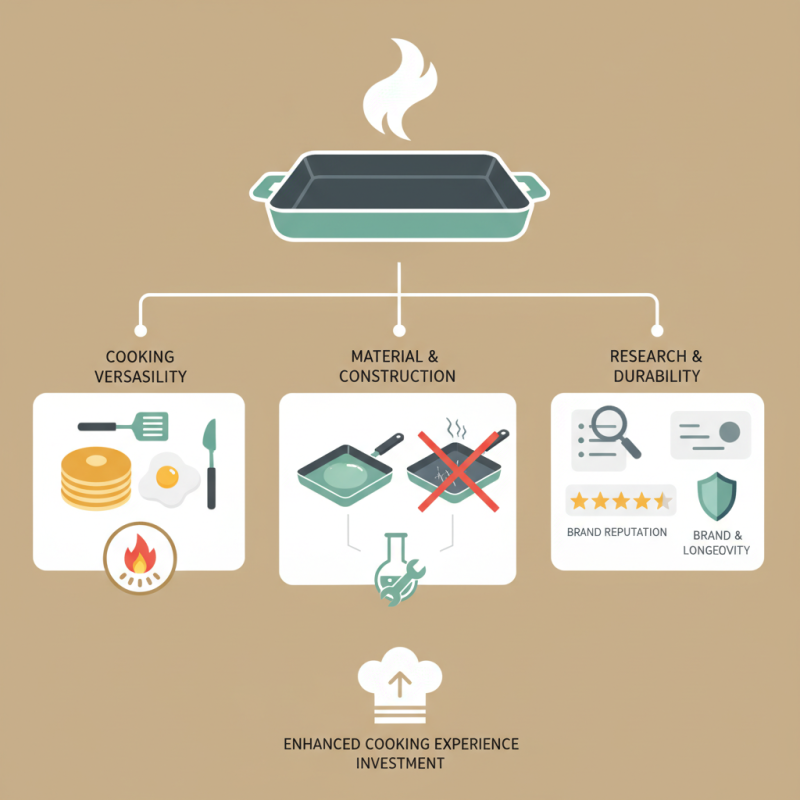
Choosing the right cooking tools can elevate your culinary experience. A **Medium Rectangular Non-Stick Griddle** stands out as a versatile option for many kitchens. Its design allows for even heating, making it perfect for cooking breakfast favorites like pancakes and eggs.
When selecting this kitchen essential, consider the material and construction. A high-quality non-stick surface ensures easy food release and effortless cleaning. However, not all non-stick coatings are created equal, and some may wear off over time.
Researching brands and reading user reviews are good practices. Look for a griddle that offers durability and reliable performance. While it may seem simple, the right choice can lead to more enjoyable cooking experiences. Remember, it’s worth investing in reliable tools that enhance your cooking skills.
Understanding Medium Rectangular Non-Stick Griddles: Key Features
When selecting a medium rectangular non-stick griddle, consider the material. A solid aluminum base ensures even heat distribution. This prevents hotspots from forming, which can lead to uneven cooking. Stainless steel surfaces are durable but may not provide the same non-stick benefits. Check the coating quality; it should be PFOA-free for safer cooking.
Size matters greatly in a griddle. A medium rectangular shape typically offers ample cooking space while saving on storage. Measure your stovetop or storage area before purchasing. Some griddles come with built-in handles for easy maneuverability. Look for models that fit comfortably on your kitchen counter.
Finally, think about the ease of cleaning. Non-stick surfaces should allow for quick wipe-downs. However, over time, even the best coatings can wear down. Regularly check for scratches or peeling, which can affect performance. For true reliability, always follow the manufacturer's care instructions. This promotes longevity and maintains the griddle's effectiveness.
Material Options for Non-Stick Coatings: Pros and Cons
When selecting a medium rectangular non-stick griddle, material choice is crucial. Non-stick coatings vary in composition and performance. Common materials include polytetrafluoroethylene (PTFE), ceramic, and anodized aluminum. Each has distinct advantages and drawbacks.
PTFE is known for its exceptional non-stick capabilities. A 2020 industry report indicated that over 70% of consumers preferred PTFE for everyday cooking. However, concerns about its durability and potential health impacts have surfaced. The lifespan can be limited with excessive heat exposure. Ceramic, on the other hand, offers a safer, more environmentally friendly option. It may not perform as well as PTFE in terms of stick resistance, but it can handle higher temperatures.
Anodized aluminum is another option, valued for its durability. Yet, users sometimes report uneven heating, leading to cooking challenges. Each material comes with trade-offs, demanding careful consideration based on cooking habits. As consumers navigate these options, understanding material properties can guide better choices. Balancing safety, ease of use, and performance ensures a functional kitchen tool that meets culinary needs.
Size and Surface Area: How to Choose the Right Dimensions
When choosing a medium rectangular non-stick griddle, size and surface area matter significantly. The typical dimensions range from 20 to 30 inches. A griddle that is too small will limit your cooking space. Conversely, an overly sized griddle can be challenging to store and manage. According to a market research report, cooking efficiency tends to increase with the right surface area for food prep.
If you often prepare meals for multiple people, consider a griddle around 24 inches. This size promotes even cooking and provides ample space for pancakes and eggs. On the other hand, if you have limited kitchen space, opt for a smaller version. Remember, the griddle's height is essential too. A griddle that's too thick may not heat evenly, affecting your cooking experience.
**Tips:** Always measure your stovetop or countertop. It's crucial to verify that your new griddle fits comfortably. Consider the weight of the griddle. Heavier models offer better durability but can be unwieldy. Check reviews; user experiences can highlight issues that specifications might not cover. It's vital also to recognize that preferences differ. Take time to reflect on your cooking habits before making a decision.
Choosing the Right Dimensions for a Medium Rectangular Non-Stick Griddle
This chart illustrates the optimal dimensions of medium rectangular non-stick griddles based on surface area preferences. The data demonstrates the surface areas in square inches that various dimensions provide, which can help you make an informed decision.
Heat Distribution and Compatibility with Cooktops
Selecting a medium rectangular non-stick griddle involves more than just size and surface. Heat distribution is crucial for cooking evenly. Uneven heat can lead to burnt edges and undercooked centers. Look for griddles with thicker bases. They tend to spread heat more uniformly. A well-made griddle should have a flat surface. This allows for optimal contact with the heat source.
Compatibility with cooktops is another important factor. Not all griddles work on every type. Check if your griddle is suitable for induction, gas, or electric stoves. A mismatch could mean a cooking disaster. Consider the weight of the griddle too. A heavier design may handle heat better but can be unwieldy. Also, keep in mind the handle design and stability during cooking.
Take time to experiment with different materials. Some may heat faster but wear down quicker. Others last longer but may not conduct heat as effectively. Balancing these factors requires careful thought. Each choice can significantly impact your cooking experience. It's essential to find a griddle that meets your specific needs for consistent cooking results.
Maintenance Tips for Longevity and Performance of Griddles
Maintaining a medium rectangular non-stick griddle is essential for its longevity and performance. Regular care ensures that it remains a reliable tool in your kitchen. Start by cleaning the griddle after each use. Use a soft sponge and avoid harsh scrubbers. Soap is fine, but too much can affect the non-stick surface. Rinse well to remove any residue.
Temperature control is crucial. Heating your griddle too high can damage the non-stick coating. It’s better to cook on medium heat. This keeps the coating intact and enhances the cooking experience. Always preheat the griddle before adding food, but don’t let it overheat. It’s a delicate balance.
Storage matters too. Never stack heavy items on top of your griddle. This can cause scratches and affect functionality. Instead, place a paper towel between your griddle and other cookware. A little care goes a long way. Reflect on your usage habits and adjust as needed. Even small changes can lead to a longer life for your griddle.
How to Choose the Best Medium Rectangular Non-Stick Griddle? - Maintenance Tips for Longevity and Performance of Griddles
| Feature | Description | Importance |
| Material | Aluminum or stainless steel for even heat distribution | High |
| Non-Stick Coating | Ceramic or Teflon for easy food release | High |
| Size | Medium rectangular, suitable for various cooking needs | Moderate |
| Temperature Control | Adjustable temperature settings for different recipes | High |
| Ease of Cleaning | Dishwasher safe or easy wipe surface | High |
| Weight | Lightweight for easy handling | Moderate |
| Warranty | Warranty period for quality assurance | High |