How to Choose the Best Marker Tube Printer for Your Business?
Choosing the right Marker Tube Printer is pivotal for businesses aiming to enhance efficiency and quality. According to a report by Grand View Research, the global marker tube printer market is expected to grow significantly, with a projected CAGR of 6.4% from 2022 to 2030. This growth reflects the increasing demand for precise printing solutions across various industries.
Expert insights indicate the importance of selecting a printer that aligns with your specific business needs. Mark Johnson, a leading figure in the printing industry, stated, "A well-chosen Marker Tube Printer can drastically improve production workflows." His comment underscores the necessity of understanding equipment specifications and matching them to operational requirements.
While it may seem straightforward, selecting the right Marker Tube Printer can be daunting. Businesses often jump to conclusions based on brand popularity rather than individual needs. This approach can lead to costly mistakes. Investing time to evaluate features, print speeds, and compatibility with existing systems is crucial for making an informed decision.
Understanding Marker Tube Printers: Key Features and Technology
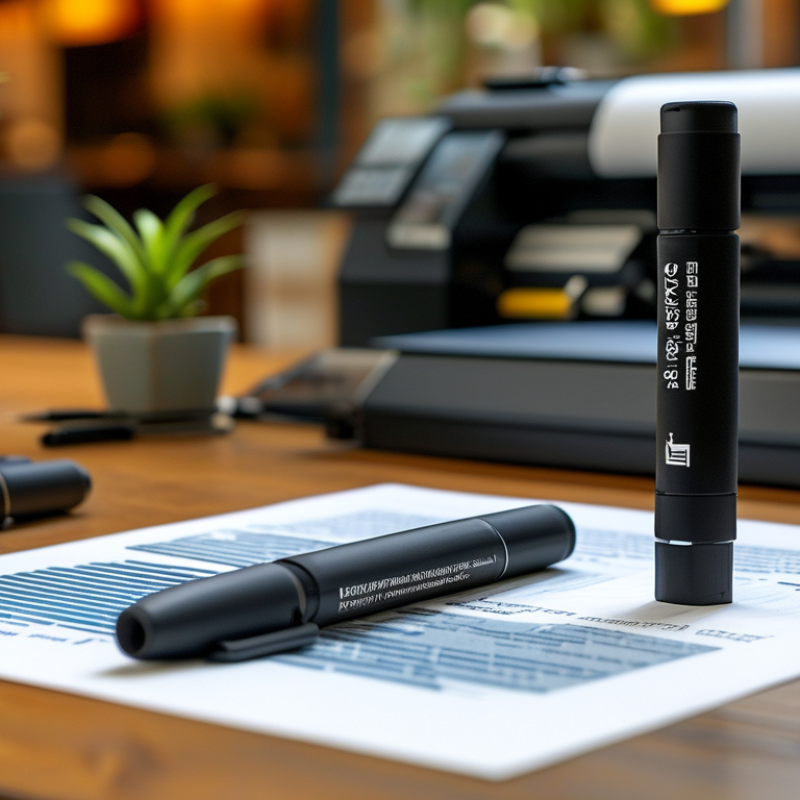
Marker tube printers are vital for businesses that rely on precision labeling. Understanding their key features can enhance selection. The technology behind these printers often involves high-resolution printing. They usually employ digital printing technology, allowing for quick changes in design. This flexibility supports diverse production needs. According to industry reports, about 70% of businesses prioritize speed when selecting printing equipment.
When evaluating marker tube printers, consider resolution and print speed. A resolution of at least 600 dpi is essential for clarity. High-speed options can produce thousands of labels per hour, optimizing workflow. However, increased speed can sometimes lead to quality issues. Balancing these factors can be challenging, necessitating thorough testing before making a decision.
Connectivity options are also critical. Many printers now offer wireless capabilities, enhancing ease of use. Integration with existing systems can streamline operations. Industry surveys show that a significant number of businesses experience delays due to compatibility issues. Ensuring that the chosen printer aligns well with your current technology can mitigate these risks.
Evaluating Print Quality Standards: DPI and Color Accuracy Metrics
When selecting a marker tube printer, understanding print quality standards is crucial. DPI, or dots per inch, measures how detailed the produced images are. A higher DPI indicates finer detail and better print quality, making it vital for businesses that prioritize sharpness. However, DPI isn’t the only metric to consider. It’s essential to balance resolution with production speed and cost.
Color accuracy also plays a significant role in print quality. Consistency in color reproduction ensures that your designs are replicated identically across different batches. A printer’s ability to produce vibrant and true-to-life colors can significantly impact branding and customer satisfaction. Evaluating color profiles and calibration options is necessary for achieving these outcomes.
Investing time to understand these metrics is worthwhile. However, seeking the perfect combination of DPI and color accuracy can be challenging. Not every printer aligns with business needs. Some printers may excel in one metric yet falter in another. A thoughtful evaluation of your specific requirements can prevent costly mistakes, ultimately helping you make an informed decision.
Analyzing Cost-Effectiveness: Initial Investment vs. Long-Term Savings
When selecting a marker tube printer for a business, cost-effectiveness is crucial. The initial investment can seem daunting, often ranging from $5,000 to $50,000 depending on the printer's capabilities. However, businesses must consider long-term savings. Industry reports indicate that companies can save up to 30% on packaging costs by using efficient printing technologies. This reduction can result in substantial financial gains.
The maintenance costs are another vital factor. A reliable printer may have higher upfront expenses but lower operational costs. Research shows that well-maintained machinery can reduce downtime, with average repair costs dropping by 25%. Businesses should anticipate potential repair needs when budgeting. Reflecting on these factors aids in making informed decisions.
Additionally, consider the printer’s energy consumption. Energy-efficient models can decrease expenses by 15% annually. The savings over time can offset the initial purchase price. Balancing these aspects is essential. Decisions made today impact future financial health. Understanding the total cost of ownership, including repairs and energy usage, leads to wiser investments in technology.
Assessing Production Speed: How Throughput Affects Business Efficiency
When evaluating printer productivity, throughput becomes a crucial factor in business efficiency. Throughput refers to the number of items a printer can produce within a specific timeframe. According to a 2023 report by the International Printing Federation, businesses that optimize throughput can see productivity gains of up to 30%. This can significantly reduce operational costs and improve delivery timelines.
However, it's essential to balance speed with quality. A high-velocity printer might increase production rates but could compromise print quality. Studies indicate that 25% of customers received unsatisfactory products, primarily due to poor printing speed and quality compromise. Selecting a marker tube printer with a reliable speed-to-quality ratio is critical. It can prevent future issues and maintain customer satisfaction.
Finally, the industry often overlooks maintenance routines. High-throughput printers require regular checks to sustain efficiency. Neglecting maintenance can lead to decreased output. Research shows that 35% of businesses face downtime due to overlooked printer care. Companies must ensure a balance between efficient production and diligent maintenance to maximize their investment in printing technology.
Identifying Maintenance Needs: Longevity and Support for Marker Printers
When selecting a marker tube printer for your business, maintenance needs are crucial. Longevity impacts production schedules and costs. A printer that frequently malfunctions increases downtime. This not only affects efficiency but also potential revenue. Understanding the support options available can mitigate these issues.
Consider the long-term support provided by suppliers. Are there local technicians accessible? Do they offer training for your staff? Prompt support can reduce the learning curve. Businesses often overlook these factors. They may choose based solely on features or pricing. However, the real value lies in the printer’s reliability and the quality of customer service.
Assessing the longevity of a marker printer requires deep understanding. Some machines promise durability but may fail under heavy use. This inconsistency can be frustrating. Regular maintenance schedules are essential. They prevent unexpected breakdowns. Designers and engineers must consider these elements when evaluating options. Stay informed and ask critical questions. Prioritize printers that provide both long-term performance and robust support.





