How to Choose the Best Low Noise Axial Fan for Your Needs?
When it comes to maintaining a comfortable environment, choosing the right equipment is crucial. A **Low Noise Axial Fan** can significantly reduce noise levels while ensuring optimal airflow. This type of fan is essential for various applications, including residential spaces, workplaces, and industrial settings. With the right choice, you can create a serene atmosphere without sacrificing performance.
Selecting the best **Low Noise Axial Fan** can be challenging. There are many factors to consider, such as size, efficiency, and noise levels. Experts recommend focusing on specific needs rather than general preferences. Understanding your environment plays a key role in making the right decision. For example, a fan used in a quiet office may differ from one employed in a high-traffic area.
Quality should not be overlooked. Not all fans are created equal. Some brands may offer great features but lack reliability. Doing thorough research and consulting with professionals can help guide your choice. Remember, investing in a quality **Low Noise Axial Fan** can enhance your comfort and productivity, allowing you to enjoy the benefits of efficient airflow without unwanted noise. Reflect on what you truly need before making a purchase.
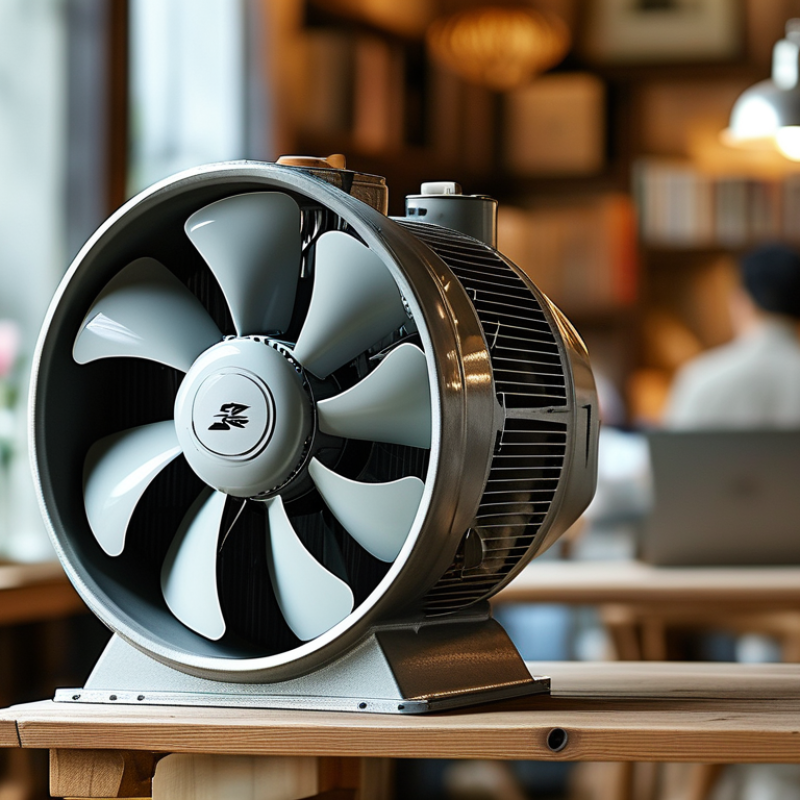
Understanding Low Noise Axial Fans: Key Features and Benefits
When selecting a low noise axial fan, understanding its key features is crucial. These fans operate on a mechanism that draws air in parallel to the axis of rotation. Their design lowers operational noise, making them ideal for various settings, including offices and residential spaces. Research indicates that models with optimized blade geometry can reduce noise levels by up to 15 dB compared to traditional fans, which can be significant in noise-sensitive environments.
Additionally, the benefits of low noise axial fans extend beyond just sound levels. They often provide increased energy efficiency. According to industry reports, these fans can achieve energy savings of 30-50% compared to conventional models. This efficiency contributes to lower operational costs over their lifespan. However, potential users should consider the specific sound pressure levels and airflow rates that align with their unique needs. Not all fans meet the same standards, and some may not perform well under high load conditions, making it essential to verify specifications before purchase.
Assessing Your Specific Airflow and Noise Level Requirements
When selecting a low noise axial fan, understanding your airflow and noise level requirements is crucial. Start by determining your specific airflow needs. This involves calculating the volume of space you need to ventilate. Consider the size, layout, and any obstructions that might affect airflow. For instance, larger spaces may require multiple fans to ensure even circulation.
Noise levels should also be assessed carefully. Many fans advertise low noise ratings, but the actual sound can vary based on operating conditions. Consider how the fan will be used. For example, a fan in a quiet office will need different noise considerations than one used in a workshop. Pay attention to the decibel ratings, but also listen to performance reviews. Real-world sound can differ from lab conditions.
It’s essential to match your fan choice with both airflow and noise expectations. Sometimes, a more powerful fan may produce excess noise, impacting your environment. Reflecting on the balance between power and sound is necessary. Understanding your unique situation will help guide your decision effectively, leading to a fan that meets your specific needs without unwanted noise.
Evaluating Different Motor Types and Their Impact on Noise Levels
When selecting a low noise axial fan, understanding motor types is crucial. The motor is the heart of the fan and significantly influences noise levels. Brushless DC motors tend to generate less noise compared to traditional AC motors. They operate more quietly due to their design and efficiency. However, they might not always be the most affordable choice.
Consider the application's specific requirements. If noise sensitivity is paramount, opting for fans with variable speed control can be beneficial. These fans adjust their speed based on demand, minimizing unnecessary noise during less intensive operations. Installation location plays a role too; positioning the fan away from sensitive areas can help manage noise exposure.
Tips for selecting a fan include reviewing customer feedback. Look for comments on performance and noise levels. This real-world insight can guide your decision. Testing different fan models in your environment can provide clarity on what works best. While options may seem overwhelming, careful evaluation ensures a suitable choice for your needs.
Comparing Materials and Design for Optimal Noise Reduction
Selecting the right low noise axial fan involves more than just noise reduction. Materials and design play crucial roles in achieving silent operation. Typically, fans made from high-quality plastic or metal are better at reducing noise. Plastic fans are lighter and quieter, while metal ones offer durability. Choosing the right material is essential for your specific environment.
Design factors like blade shape and number also impact noise levels. Fans with curved blades tend to minimize air turbulence. Fewer blades often lead to lower noise as well. However, balancing airflow and noise can be challenging. Sometimes, you may have to reconsider your specifications.
Pay attention to the installation location too. Vibration can amplify noise, regardless of design. A poorly mounted fan can create excessive sound. It is vital to evaluate where and how you install the fan for optimal performance. Always test the fan in its intended setting before finalizing your choice.
Identifying the Right Size and Installation Considerations for Fans
When choosing a low noise axial fan, size is a crucial factor. Consider the dimensions of the area you want to ventilate. A fan that's too small won’t move enough air, while one that's too large may be noisy and overpowering. Measure the space carefully. For a room or an enclosed space, an accurate dimension can help determine the required airflow.
Installation also plays a vital role. Ensure that the fan is mounted securely and in a position that maximizes airflow without obstruction. Use vibration dampeners to minimize noise during operation. Proper alignment and support are necessary; misplaced fans can lead to increased wear and noise.
**Tips:** Pay attention to the fan's CFM (Cubic Feet per Minute) rating; this indicates airflow efficiency. Assess the noise level; quieter fans typically have better blade designs. Lastly, always consider the power source and whether it aligns with your space's electrical capacity to avoid any unexpected issues.





