How to Choose the Best Knife Gate Valve for Your Needs?
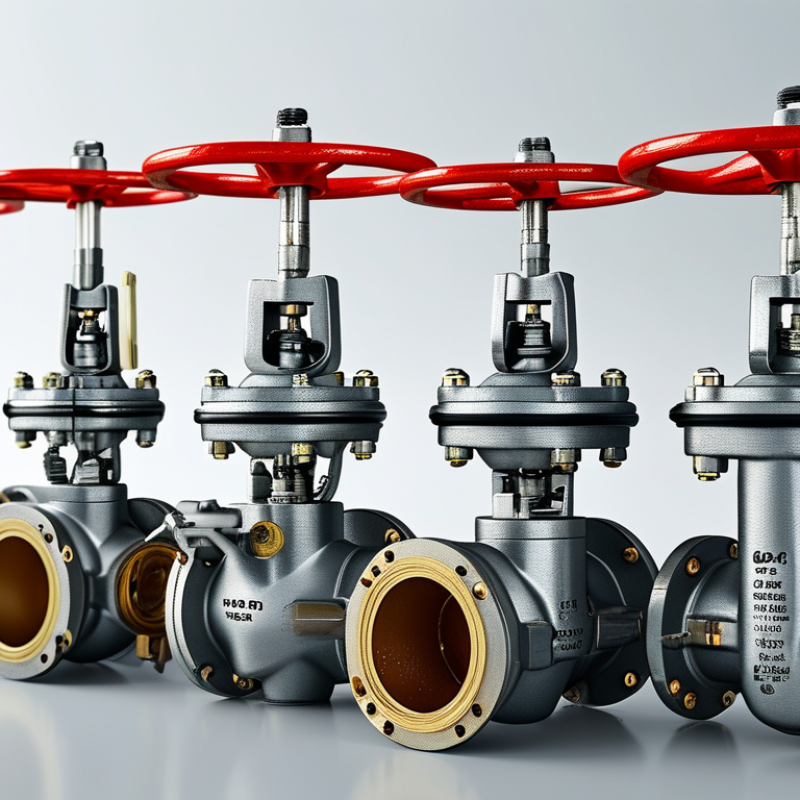
Choosing the right Knife Gate Valve is crucial for various industrial applications. This valve type offers a simple design, suitable for handling slurries and dry bulk materials. However, many factors contribute to selecting the best valve for your specific needs.
Understanding the material compatibility is key. Different industries may require valves that withstand high pressure or corrosive substances. Additionally, sizing is essential. The wrong size can lead to inefficiencies or operational failures. Look for trusted manufacturers known for durability and reliability. Reviews and industry feedback can provide insights into performance.
Even with extensive knowledge, choosing a Knife Gate Valve can pose challenges. Make sure to analyze all aspects, including maintenance requirements and ease of installation. Taking the time to reflect on these factors will help ensure a suitable choice for your operations.
Understanding Knife Gate Valves and Their Applications
Knife gate valves are crucial in various industrial applications, particularly those involving slurries and bulk materials. These valves effectively cut through materials, providing a tighter seal than traditional valves. Their primary function is to either fully open or close flow systems while minimizing pressure drop. Research indicates that over 60% of industries prefer knife gate valves for their ability to handle harsh conditions and abrasive materials.
The reliability of knife gate valves depends on their construction materials and design. High-quality stainless steel options often resist corrosion, while composite materials can withstand extreme temperatures. In sectors such as wastewater treatment and mining, knife gate valves facilitate efficient operation. However, improper installation or maintenance can lead to leaks or malfunctions. Industry reports suggest that regular inspections can reduce failure rates by up to 30%.
Moreover, choosing the right knife gate valve requires understanding specific application needs. Consider factors like pressure ratings and material compatibility. While knife gate valves are designed for durability, they may not suit every situation. Some users have reported issues with valve wear due to unexpected material characteristics. Thus, thorough research and expert consultation are essential in ensuring optimal valve selection.
Key Characteristics to Look for in a Knife Gate Valve
When selecting a knife gate valve, consider its construction materials. The valve should withstand the specific conditions of your application. For instance, stainless steel may be ideal for corrosive environments. Conversely, carbon steel can be suitable for lower-cost, less demanding situations. Choosing the right material enhances valve longevity and reduces maintenance costs.
Another vital characteristic is the design of the blade. A sharp, well-engineered blade effectively cuts through the media. This ensures minimal turbulence and allows for smoother operation. Evaluate the sealing mechanism, too. A robust sealing system prevents leaks and ensures efficiency during operation.
Lastly, take note of the valve size. It should match your system requirements. An improper size can lead to operational issues and increased wear. Reflecting on these aspects is essential for making a wise choice. Ignoring any detail can result in problems down the line.
Knife Gate Valve Performance Characteristics
Factors Influencing the Selection of Knife Gate Valves
When selecting a knife gate valve, several factors come into play. The media type is critical. For instance, slurries and solids require robust designs. A valve that handles abrasive materials needs thicker gates and durable seals. Assessing the pressure and temperature ratings is also essential. Choose a valve that withstands your operational conditions without leaking.
Consider the size and installation space. A valve that fits snugly into your system is vital. Ensure that the valve has easy access for maintenance. Ongoing care positively impacts valve longevity. Understanding the environment where the valve operates is paramount. Corrosive environments demand specific materials and coatings to avoid rapid wear.
Tips: Take time to review the materials and their compatibility with your process. A small oversight in material choice can lead to significant issues. Consulting with industry experts can provide valuable insights. Engaging in discussions around past experiences can yield new ideas. Remain open to feedback when exploring design options, as this can refine your choices. Evaluate your needs thoroughly to avoid future complications.
Material Considerations for Knife Gate Valves
When selecting a knife gate valve, material considerations are crucial. The choice of material directly impacts performance, longevity, and suitability for specific applications. Common materials include stainless steel, carbon steel, and plastic.
Stainless steel is resistant to corrosion, making it ideal for harsh environments. However, it can be more expensive.
Plastic valves are lightweight and resistant to a wide range of chemicals. They are less durable in high-pressure situations.
Carbon steel offers strength but may rust if not properly coated. Understanding the operating environment is essential. For example, abrasive materials may wear down certain materials quickly. Research and user feedback can highlight potential issues with specific materials. Some users might discover that a valve performs poorly in certain conditions, leading to frustration.
It's vital to weigh these factors before making a decision.
Maintenance and Performance Factors for Optimal Use
When selecting a knife gate valve, maintenance is crucial. Regular inspection can identify wear or damage that affects performance. Check seals, stems, and the gate for signs of corrosion or blockage. A well-maintained valve lasts longer and operates efficiently. Neglecting these checks can lead to costly repairs or replacements.
Performance factors are equally important. The design of the valve influences flow characteristics. Consider the pressure and temperature conditions it will face. An ill-suited valve can struggle under certain conditions. This leads to inefficient operation or even failure. Understanding the system is vital to ensure optimal performance. Always prioritize using valves made from durable materials suited for your specific application.
How to Choose the Best Knife Gate Valve for Your Needs?
| Factor | Description | Impact on Performance |
| Material | The type of material used in the valve affects durability and corrosion resistance. | High-quality materials improve longevity and reduce maintenance needs. |
| Pressure Rating | The maximum pressure the valve can withstand. | Choosing the correct rating ensures safety and prevents failures. |
| Size | The diameter of the valve affects flow rate and installation. | Proper sizing is crucial for efficient system operation. |
| Seal Type | Different seals affect leak rates and valve operation. | Better seals improve reliability and reduce leaks. |
| Operating Mechanism | Manual vs automatic operation affects ease of use. | Automated valves provide more control and reduce labor costs. |
| Temperature Range | The range of temperatures the valve can handle. | Valves suited for high temperatures prevent material degradation. |