How to Choose the Best Fly Ash Brick Making Machine?
Choosing the best Fly Ash Brick Making Machine can be a daunting task. With numerous options available, it is crucial to understand what features matter most. High-quality machines are vital for efficiency and durability. The right equipment can significantly impact your brick production business.
When selecting a Fly Ash Brick Making Machine, consider factors like capacity, automation level, and maintenance needs. Some machines offer advanced technology, which improves productivity. Others may be more straightforward but lack essential features. It's important to weigh these aspects based on your specific requirements.
Moreover, take time to research different manufacturers. Reputation matters in the industry. Reliable machines often come from established brands known for their expertise. User reviews can provide insights into performance and customer service. Remember, this decision can shape the future of your operations. Choose wisely, and your investment can yield fruitful returns.
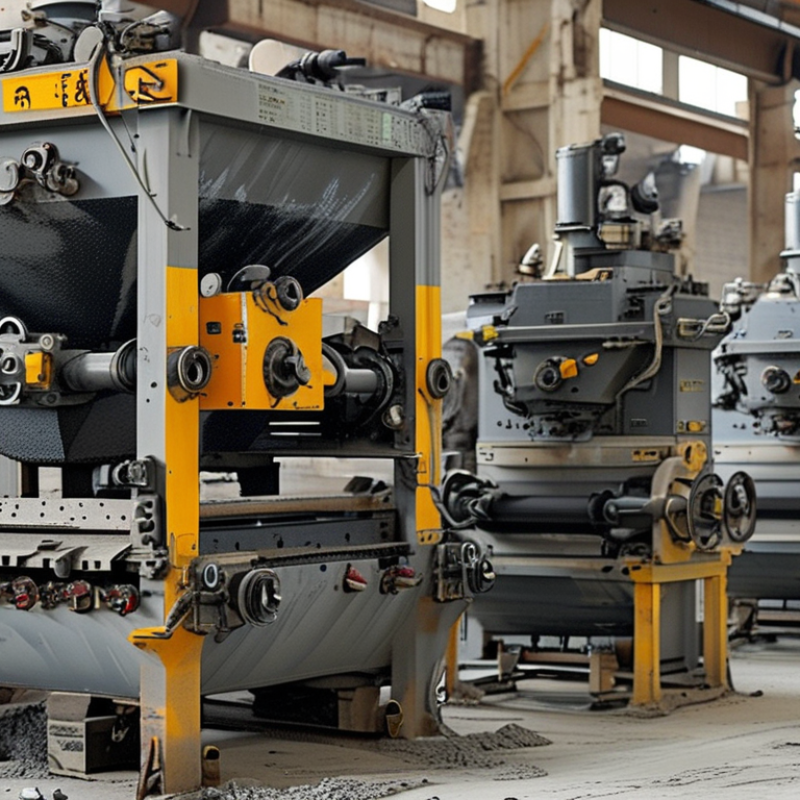
Understanding Fly Ash Brick Making Machines
When considering fly ash brick making machines, it's important to understand their core functionality and efficiency. Fly ash, a byproduct of coal combustion, contributes to sustainable construction practices. Research indicates that using fly ash can reduce production costs by up to 30% compared to traditional materials. This offers both economic and environmental benefits.
Choosing the right machine requires knowledge of its components. Look for machines with high compression strength capabilities. Reports show machines that achieve 60 tons of pressure per square inch can create bricks with durable properties. Additionally, the production rate matters. A reliable machine can produce between 1000 to 3000 bricks per day. However, not all machines meet this benchmark, and underperformance can lead to increased labor and operational costs.
It's also crucial to assess the technology used in these machines. automated systems tend to improve quality consistency. Yet, they can come with higher initial costs. Users must reflect on the long-term savings versus upfront investments. Knowledge of supplier support is vital. Understanding their service quality can influence decision-making. Lastly, consider the machine's footprint. A compact design may save space but could limit output capacity.
Key Factors to Consider When Choosing a Machine
When selecting a fly ash brick making machine, several key factors are crucial. The first consideration is the production capacity. Industry reports indicate that machines can vary widely, capable of producing anywhere from 2,000 to 20,000 bricks daily. Understanding the specific needs of your project will help determine the right capacity for you.
Another important factor is the energy efficiency of the machine. Research shows that energy-efficient systems can lower operational costs by up to 30%. The use of advanced technology ensures minimal energy consumption while maximizing output. Make sure to evaluate the technical specifications carefully.
In addition, consider the machine's durability and maintenance requirements. Machines that are built with high-quality materials tend to have longer lifespans. However, cheaper machines may incur higher long-term maintenance costs. Think about the balance between initial investment and ongoing maintenance. Reflecting on these factors can lead to more informed decisions, ultimately impacting production efficiency and profitability.
Comparison of Key Factors in Fly Ash Brick Making Machines
Comparing Different Types of Fly Ash Brick Machines
When comparing different types of fly ash brick machines, several key factors come into play. One major aspect is the production method used. There are manual, semi-automatic, and fully automatic machines, each with its own operational complexity. Manual machines are cost-effective but require more labor. Semi-automatic machines offer a balance, while fully automatic options streamline production significantly.
Another crucial factor is the capacity of the machine. Some machines can produce hundreds of bricks per hour. This capacity affects overall productivity and profit margins. Consider the local demand for fly ash bricks when choosing a machine. High-capacity machines might not be necessary in low-demand areas.
Energy efficiency is another point worth examining. Some machines consume more power, impacting operational costs. Examine specifications closely. It’s also beneficial to analyze user feedback on machine reliability. Researching further can reveal common issues. Small but critical details can make a big difference in long-term satisfaction.
Evaluating Production Capacity and Efficiency
When choosing the best fly ash brick making machine, evaluating production capacity and efficiency is crucial. Production capacity often dictates how many bricks can be made daily, which directly affects profitability. Machines can vary widely in output. Some can produce thousands of bricks per shift, while others may only manage hundreds. It's vital to assess your project needs carefully.
Efficiency is another key factor. A machine that operates efficiently reduces wastage of raw materials and energy. Look for features that optimize the production cycle, such as automatic feeding systems or energy-saving technology. Inefficiencies can lead to increased costs and delayed projects. If a machine consumes more power than necessary or requires frequent maintenance, it may not be a wise investment.
Also, consider the scalability of the machine. As demand increases, your production line should adapt. A machine that meets today’s needs might become a bottleneck tomorrow. Overall, analyzing the production capacity and efficiency is essential but can be complex. Many buyers overlook these factors, leading to regrets later. Performing thorough research and seeking expert advice can guide you toward the right decision.
How to Choose the Best Fly Ash Brick Making Machine? - Evaluating Production Capacity and Efficiency
| Feature | Specification | Production Capacity (blocks/hour) | Efficiency (%) | Energy Consumption (kW) |
| Automatic Fly Ash Brick Machine | Fully automatic operation | 1000 | 85 | 35 |
| Semi-Automatic Fly Ash Brick Machine | Semi-automatic with manual handling | 600 | 75 | 40 |
| Manual Fly Ash Brick Machine | Manual operation | 300 | 50 | 15 |
| Hydraulic Fly Ash Brick Machine | Hydraulic pressure forming | 800 | 80 | 30 |
Assessing Cost and Return on Investment
When assessing the cost and return on investment for a fly ash brick making machine, it’s crucial to consider initial expenses. Equipment prices can vary greatly based on capacity and technology. Typically, simple machines are cheaper but may lack efficiency. High-capacity machines could mean a larger upfront investment, yet they often provide quicker production rates. Analyze your budget carefully to determine what you can afford.
Operational costs are another significant factor. Energy consumption, maintenance, and labor costs must all be evaluated. Some machines may require specialized labor or parts, which can add hidden costs. While lower maintenance machines can seem attractive, they might lack the durability needed for long-term use. Reflect on your expectations and how much you are willing to invest in upkeep and training.
Finally, the profit potential is essential in your assessment. Research the local market demand for fly ash bricks. Understand pricing fluctuations and customer preferences. This knowledge will help you project your return on investment accurately. Sometimes, predicting profits can be tricky due to market volatility. Keep refining your financial model as you gather more data on production and sales trends.





