How to Choose the Best Flat Face Quick Couplers for Your Needs?
Choosing the right Flat Face Quick Couplers is crucial for efficiency in fluid transfer applications. According to a recent market report, the demand for these couplers has increased by over 25% in the last five years. This growth highlights their importance in industries such as construction and agriculture. Flat Face Quick Couplers minimize spillage and air inclusion, making them ideal for hydraulic systems.
However, not all Flat Face Quick Couplers are created equal. The variety in design, materials, and compatibility can lead to confusion. Inadequate research may result in poor performance or costly downtime. Studies show that improper selection can contribute to a 15% increase in maintenance costs over time. Thus, understanding the specific needs of your application can significantly enhance operational reliability.
Selecting the right couplers involves assessing factors such as pressure ratings, size, and the fluids being transported. This process often requires expert knowledge. Engaging with industry professionals can provide clarity. Nonetheless, relying solely on expert advice without a clear understanding of your requirements may lead to unwise investments. Balancing expert insights with personal analysis is essential in making an informed decision.
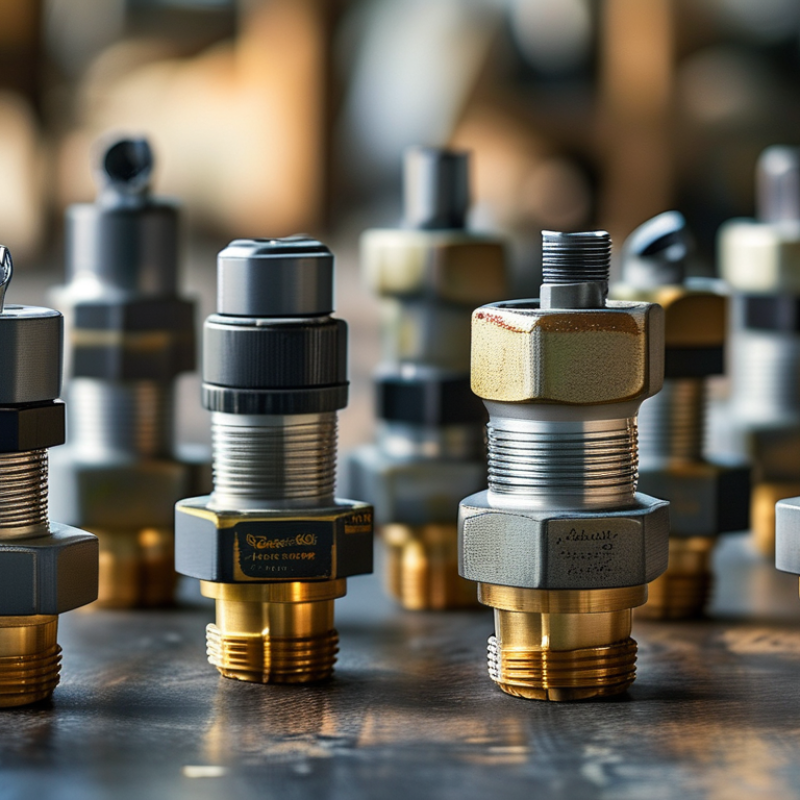
Understanding Flat Face Quick Couplers and Their Applications
Flat face quick couplers are crucial in various industries, particularly in hydraulics and pneumatics. They allow for a secure connection, minimizing leaks and enhancing efficiency. According to a recent industry report, nearly 40% of hydraulic failures are due to improper connections. This highlights the importance of selecting the right coupler for your application.
These couplers are often used in construction, agriculture, and manufacturing. In high-pressure environments, flat face designs prevent fluid loss during connection and disconnection. A study indicates that using flat face couplers can reduce contamination by up to 80%. This can lead to longer equipment life and improved performance. However, some users may overlook specific compatibility issues, which can lead to operational failures.
Understanding the materials used in couplers is essential. Common materials include steel and aluminum, each offering distinct benefits like weight and durability. It's important to reflect on the demands of your working environment. High temperatures or corrosive substances may affect the longevity of the coupler. Regular assessments can be beneficial, as even high-quality couplers can experience wear over time. This awareness can save both time and costs in the long run.
How to Choose the Best Flat Face Quick Couplers for Your Needs?
| Feature | Importance | Recommended Material | Common Applications |
| Connection Type | High | Steel, Stainless Steel | Hydraulic Systems |
| Pressure Rating | Critical | Brass, Aluminum | Construction Equipment |
| Size Options | Moderate | Polymer, Composite | Agricultural Machinery |
| Ease of Use | High | Carbon Steel | Industrial Automation |
| Sealing Effectiveness | Critical | Rubber, Nylon | Fluid Transfer Systems |
Key Features to Look for in Flat Face Quick Couplers
When selecting flat face quick couplers, understanding key features is essential. Start with material quality. Look for couplers made of durable, corrosion-resistant materials. This ensures they withstand harsh environments and provide longevity. Steel or other robust alloys work well. Their strength will lead to better performance over time.
Next, consider the connection mechanism. Quick release systems should be easy to use and operate smoothly. A good coupler enables efficient engagement and disengagement, minimizing downtime on the job. Check for leakage prevention features. Proper seals enhance safety and reliability, making them crucial for fluid systems.
Another important aspect is the pressure rating. It must align with your applications. Using a coupler that cannot handle the necessary pressure can lead to failures. Assess the size options as well. They need to fit your hoses or pipes perfectly. Misfitting parts can cause complications.
While these features guide you, personal trial cannot be overlooked. Experimentation can lead to the best match for your specific needs. Be ready to adjust and find the ideal fit over time. It's about refining choices through experience.
Assessing Compatibility with Your Equipment and System
When choosing flat face quick couplers, assessing compatibility with your equipment is vital. Many systems utilize high-pressure couplers, which require precise matching to avoid leakage and performance issues. According to industry insights, improper coupling can lead to a 30% decrease in system efficiency. Understanding your equipment’s specifications can help avoid costly downtime.
While selecting couplers, ensure they fit the pressure and flow requirements of your system. For example, if your equipment operates at 500 psi, look for couplers rated well above this for safety. Regular maintenance and inspection can expose signs of wear and compatibility issues.
Tip: Always consider the
material of couplers. Some applications may require stainless steel to resist corrosion, while others may benefit from lighter materials for portability.
Compatibility is not just about size; it involves the
operating environment. High-temperature applications may require different coupler designs than those in colder settings. Confirming these factors can prevent unexpected breakdowns.
Tip: Regularly consult with manufacturers for updated compatibility information. They often provide detailed charts that can guide your choices effectively.
Evaluating Material Durability and Performance Standards
When selecting flat face quick couplers, evaluating material durability is crucial. Different applications demand specific materials, each with distinct performance standards. Consider the environment where the couplers will be used. High-stress, abrasive conditions require robust materials. Stainless steel and aluminum are common choices. They resist corrosion and wear effectively.
Tips: Always assess the working pressure and temperature ratings. Look for signs of wear on existing couplers. This can indicate material fatigue. Choose a coupler designed for your specific application to ensure optimal performance.
Performance standards vary significantly between couplers. Not all products are tested equally. Review certified test results to gauge reliability. Some may perform well in tests but fail under real-world conditions. Reliability hinges on thorough evaluation and understanding of the coupler's limitations.
Tips: Seek out user reviews for insights. Personal experiences often reveal strengths and weaknesses that official specs do not. Look for patterns in feedback to make an informed decision.
Comparing Manufacturer Reviews and Recommendations
Choosing the right flat face quick couplers can be daunting. Many manufacturers claim superior quality, but how do you sift through the noise? According to a recent industry report, about 70% of users prioritize durability. Look for materials that withstand harsh conditions and repeated use. Ensure the couplers offer minimal leakage, as even small spills can lead to significant operational costs.
Consider the reviews from trusted sources. A study showed that products with comprehensive user feedback are more likely to meet expectations. Seek out comparative analyses that highlight performance metrics, such as flow rate and pressure ratings. These details can significantly impact your decision.
However, not all reviews are created equal. Some may be overly positive, lacking real insights. User experiences often reveal flaws that manufacturers overlook. Regularly updated reviews can help you identify these issues. Be cautious of outdated information. The market evolves, and what was once reliable might now be obsolete. Always evaluate claims critically.
Comparative Analysis of Flat Face Quick Couplers Performance Ratings
This bar chart illustrates user ratings for various performance metrics of flat face quick couplers. Factors such as durability, ease of use, flow rate, leakage, and price have been evaluated to assist you in selecting the best couplers for your needs.





