How to Choose the Best Extrusion Presses for Your Business?
Choosing the right Extrusion Presses is crucial for business success. Industry expert John Smith, a leading technician in the field, once said, “The right press can transform production efficiency.” This statement reflects the significance of selecting the optimal machinery for your specific needs.
Extrusion presses play a vital role in manufacturing various materials. Their efficiency directly impacts product quality and output. When evaluating extrusion presses, consider factors like size, capacity, and automation features. Not all presses fit every business model.
Many businesses overlook important details in their selection process. For example, understanding the specific material you will be using can save time and money. An ill-fitted press may lead to poor results and increased waste. Investing time in research and expert consultation is essential. Balancing cost and functionality can lead to the best investment in extrusion presses.
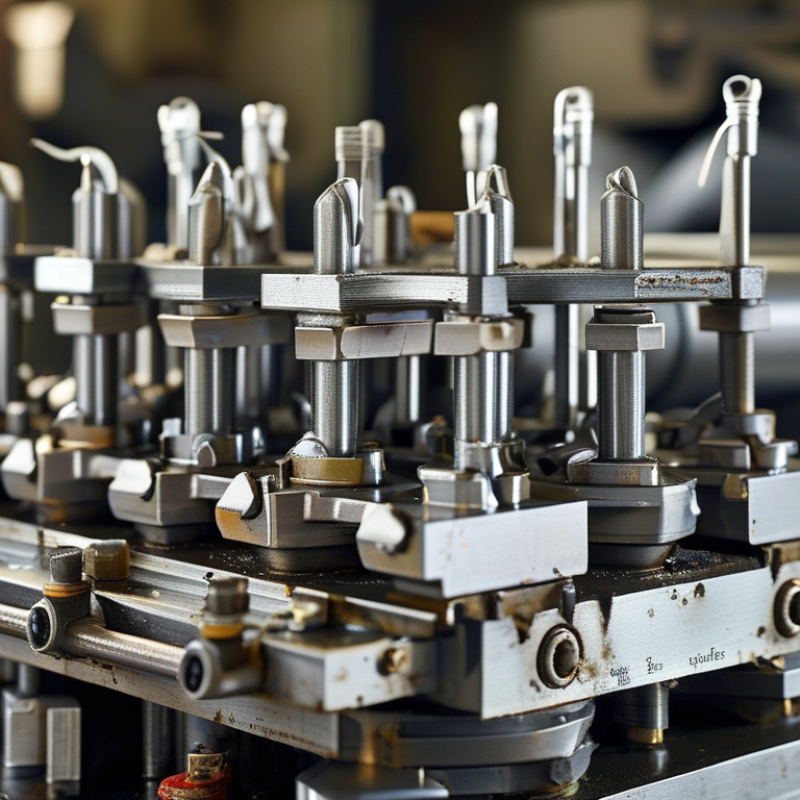
Understanding the Different Types of Extrusion Presses Available
When selecting an extrusion press, understanding its types can make a significant difference. There are several types of extrusion presses, including hydraulic, mechanical, and screw presses. Each type has its distinct advantages and applications, catering to different materials and product requirements.
Hydraulic extrusion presses are known for their versatility. They can handle a wide range of materials, making them suitable for custom applications. According to industry reports, hydraulic presses represent over 40% of the extrusion market due to their ability to produce complex shapes with high precision. Mechanical presses are typically faster, suitable for mass production, and less energy-intensive. Screw presses, on the other hand, are highly efficient for continuous processes and ideal for thermoplastics.
Tip: Evaluate your production volume and material types before making a decision. This can ensure you select the right press to meet your business needs.
It's essential to consider the energy efficiency of the extrusion press. Many modern presses come with energy-saving features that can significantly reduce operational costs. However, older models may not offer these benefits, leading to higher energy consumption and operational challenges.
Tip: Research on energy consumption rates of different presses. Look for models that align with your sustainability goals.
It is beneficial to consult industry experts or conduct thorough market research. This helps in understanding the latest technological advancements and considering future business growth. Remember, making an informed choice now can prevent regrettable decisions later on.
Evaluating Production Capacity: Key Metrics and Industry Standards
When evaluating production capacity for extrusion presses, key metrics are crucial. One primary metric is throughput, measured in pounds per hour. According to the Plastics Industry Association, optimal press throughput can vary, but generally, a range of 300 to 1,000 pounds per hour is common for many applications. Understanding your specific needs helps in determining the right capacity.
Additionally, you should consider the defect rate. A reliable extrusion press typically targets a defect rate below 2%. Monitoring this metric is essential for reducing waste and improving efficiency. Industry reports suggest that presses with higher reliability metrics can help achieve this goal, but identifying the right model remains challenging.
Lastly, energy consumption is a growing concern. Equipment that uses less energy can significantly impact overall costs. According to the American Council for an Energy-Efficient Economy, energy-efficient presses can operate with a reduction of up to 15% in consumption. This statistic emphasizes the need for companies to evaluate energy metrics in their selection process. Reflecting on these data points will guide you in making informed decisions tailored to your business needs.
How to Choose the Best Extrusion Presses for Your Business?
| Press Type | Production Capacity (kg/h) | Maximum Pressure (MPa) | Heat Source | Energy Efficiency |
| Single-Screw Extruder | 100-500 | 20 | Electric | High |
| Twin-Screw Extruder | 200-800 | 25 | Steam | Medium |
| Continuous Extruder | 150-600 | 15 | Gas | High |
| Batch Extruder | 50-300 | 10 | Electric | Low |
Assessing Material Compatibility: Selecting the Right Extrusion Press
Selecting the right extrusion press involves understanding material compatibility. Different materials have unique properties, impacting the choice of equipment. According to industry reports, approximately 70% of extrusion failures result from using incompatible materials. Understanding the melting temperature, viscosity, and thermal stability of the materials you plan to extrude is crucial.
When assessing material compatibility, consider the specific requirements of your production. For instance, thermoplastics and thermosets behave differently during extrusion. Thermoplastics typically require higher temperatures but offer more flexibility in processing. On the other hand, thermosets demand precise heating control to avoid degradation. Statistics indicate that machines designed for specific materials can enhance efficiency by up to 40%.
Tip: Consult with material scientists or technicians to evaluate material properties. They can provide insights on compatibility and suggest modifications to the press.
Investing time in research can save costs and reduce waste. Material shortages have also been reported, which can impact production timelines. Make adjustments to your material selection as needed. Make sure to test small batches before scaling up production runs. This can help identify any potential issues early on, improving long-term reliability.
Cost Analysis: Investment vs. Long-term Efficiency in Extrusion Presses
When investing in extrusion presses, businesses must weigh initial costs against long-term efficiency. A recent industry report indicates that choosing the right press can lower production costs by up to 30% over five years. While a higher upfront investment might seem daunting, the return on investment (ROI) can significantly increase. Filters, heaters, and drive systems enhance operational efficiency, improving product quality.
Consider energy consumption as a critical factor. Advanced extrusion presses can reduce energy usage by 20% compared to older models. This translates to substantial savings over time. Moreover, maintenance costs should not be overlooked. A press designed for durability may have a higher initial price but can save companies from frequent repairs.
Another aspect to reflect on is workforce training. A complex machine can necessitate more training hours. This can lead to increased short-term costs. However, an educated workforce enhances productivity and minimizes errors. Balancing these factors is essential for informed decision-making. Ultimately, businesses need to think critically about both immediate expenses and long-term benefits when selecting extrusion presses.
Maintenance and Support: Ensuring Longevity of Your Extrusion Equipment
Maintaining extrusion presses is crucial for long-term efficiency. Regular maintenance checks can prevent unexpected failures. Simple tasks like lubrication and cleaning can make a significant difference. Operators should be trained to perform these tasks effectively. Ignoring minor issues often leads to larger, costlier problems.
Support services play an essential role in equipment longevity. Reliable support includes quick access to spare parts and expert advice. Establish a relationship with reputable service providers. Understanding the common wear items of your machinery can help in planning maintenance. Don't hesitate to reach out for help when issues arise. Proper support ensures that your equipment operates smoothly.
Investing in a maintenance schedule is key. Regular inspections can catch issues early. Documenting performance trends aids in identifying potential problems. Encourage an open dialogue among staff about equipment performance. Addressing concerns promptly keeps machinery running efficiently. Continuous improvement should be a goal for all operations.
Maintenance and Support for Extrusion Equipment





