How to Choose the Best Electric Infrared Heater for Your Needs?
Choosing the right Electric Infrared Heater can seem overwhelming. With various options available, it’s crucial to know what fits your needs. Expert James Patterson, a leading HVAC consultant, states, “Selecting the right heater impacts comfort, efficiency, and energy bills.”
Electric Infrared Heaters work by directly warming objects and people, rather than the air. This principle creates instant warmth, making them a popular choice for many households. However, not all heaters are created equal. Different features and specifications may suit different spaces and budgets. Understanding your requirements can make a significant difference in your overall satisfaction.
Think about the size of the area you wish to heat. Some heaters are suitable for small rooms, while others can heat larger spaces effectively. Also, consider the energy efficiency of the models you’re looking at. A more efficient heater could save you money over time. Balancing immediate warmth with long-term costs is a challenge, but an essential one to tackle thoughtfully.
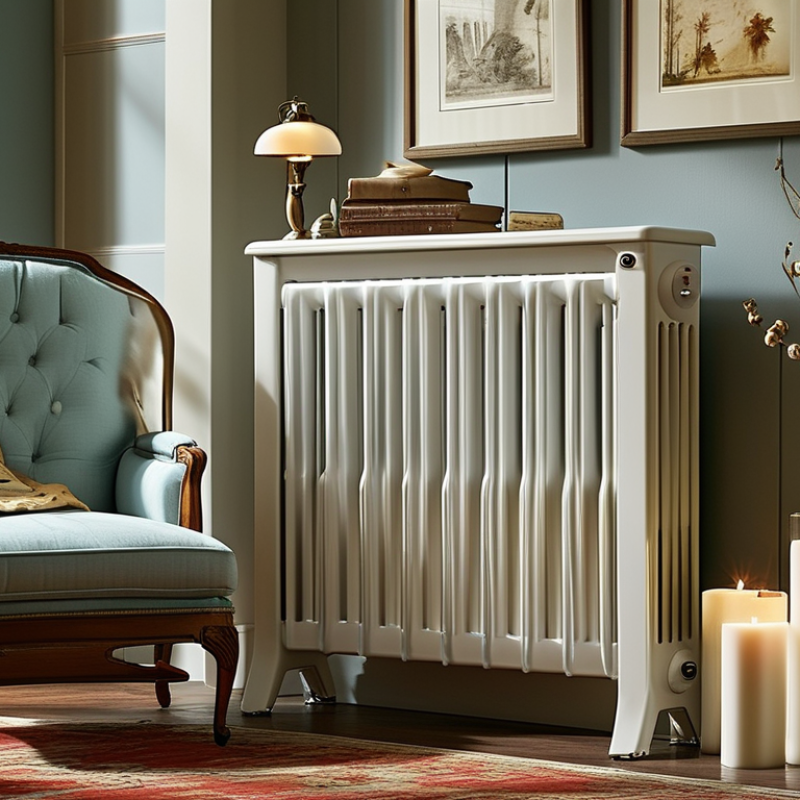
Understanding the Basics of Electric Infrared Heaters
Electric infrared heaters are growing in popularity due to their unique heating method. These devices use infrared radiation to warm objects directly, rather than heating the air. This results in quicker warmth and often improved energy efficiency. Understanding how they work can guide your choice, ensuring it meets your specific needs.
When selecting an infrared heater, consider the space it will heat. Larger areas may require models with higher wattages. It's also essential to think about placement. Wall-mounted models save floor space but may not be easily adjustable. Meanwhile, portable heaters offer flexibility but might lack the power needed for bigger rooms. Assess your layout and habits to find the best fit.
Don't overlook features like safety mechanisms and thermostat controls. Some infrared heaters have built-in timers or eco modes that enhance usability. These features make it easier to manage energy consumption. However, reflecting on your heating patterns can reveal what you truly need. Avoid overestimating the benefits of advanced features; sometimes, simplicity is more effective.
Key Features to Consider When Selecting an Infrared Heater
When selecting an electric infrared heater, it's crucial to evaluate key features. These features can significantly affect heating efficiency and user experience. Look at the heater's wattage. Higher wattage often means faster heating, but it also affects energy consumption. An average infrared heater uses about 1200 watts, providing efficient warmth without overwhelming energy bills.
Another important consideration is the heater's size and portability. Compact models are ideal for small spaces. Yet larger units can warm bigger areas effectively. Weight and design play a role in how easy it is to move the heater when needed. About 75% of users prefer heaters with wheels or handles for convenience.
Safety features cannot be overlooked. Overheat protection and tip-over switches are essential. These features prevent potential hazards and grant peace of mind during use. It's worth noting that the U.S. Consumer Product Safety Commission reported that over 25,000 home fires each year are associated with heating equipment. This statistic underscores the importance of choosing heaters with reliable safety features.
Pay attention to energy efficiency ratings. Infrared heaters generally have lower operational costs compared to traditional heaters. A study by the Department of Energy suggests infrared heating can save up to 50% on energy costs. This detail can influence your decision, ensuring you select an option that is both economical and effective.
Types of Electric Infrared Heaters and Their Applications
When selecting an electric infrared heater, understanding the different types available is crucial. Electric infrared heaters typically fall into three categories: radiant, quartz, and halogen. Radiant heaters emit warmth directly to objects and people in their line of sight, making them ideal for outdoor spaces or large rooms. A study by the Department of Energy noted that radiant heaters can efficiently warm a room while minimizing energy loss.
Quartz heaters are another popular choice. They heat up quickly and are often more energy-efficient than traditional electric heaters. Their efficiency stems from the use of quartz tubes, which deliver instant warmth. According to recent market analysis, quartz heaters can save users up to 30% on energy bills when used correctly.
Halogen heaters combine quartz technology with halogen bulbs, providing fast, effective heat. They are compact and easy to move, suitable for both indoor and outdoor settings. However, they may require more frequent bulb replacements, which can be a consideration for budget-conscious consumers.
Each type has its unique advantages and limitations, prompting potential buyers to evaluate their specific heating needs and preferences closely.
Measuring the Heating Capacity and Coverage Area
When choosing an electric infrared heater, understanding heating capacity is crucial. This capacity is usually measured in watts. A heater's wattage indicates how much area it can effectively warm. Generally, you need about 10 watts for every square foot to achieve comfortable temperatures. Thus, for a room of 200 square feet, a heater with at least 2000 watts is recommended.
Coverage area also plays a significant role. Some heaters cater well to small spaces, while others are suitable for larger areas. Adequate coverage ensures there are no cold spots in your room. It’s common to overlook these specifics. You might choose a stylish model, but if it doesn’t heat effectively, it may lead to dissatisfaction.
Evaluating your space is essential. Consider the ceiling height and insulation quality. High ceilings may require more powerful heaters. If your space isn’t well insulated, it will lose heat quickly. This can lead to over-reliance on the heater, causing frustration and higher electricity bills. Pay attention to these factors to find a heater that truly meets your needs.
Safety Features and Energy Efficiency Ratings to Look For
When selecting an electric infrared heater, safety features and energy efficiency ratings are crucial considerations. Look for heaters that include overheat protection and tip-over switches. These features enhance user safety by automatically turning the unit off during malfunctions. A report from the National Fire Protection Association indicates that malfunctioning heating equipment contributes to over 50,000 house fires annually. Prioritizing these safety elements can significantly reduce risks.
Energy efficiency is equally important. Heaters with an Energy Efficiency Ratio (EER) of 10 or higher are generally considered efficient. The U.S. Department of Energy notes that energy-efficient appliances save consumers more than 30% on utility bills. Choosing models that maintain high efficiency ratings not only benefits the environment but also your wallet.
When assessing options, consider your specific heating needs. Smaller units may be suitable for limited spaces, while larger models better serve expansive areas. Many models may claim to be efficient, yet not all perform as advertised. Always look for third-party energy certification labels that confirm a product's claims.





