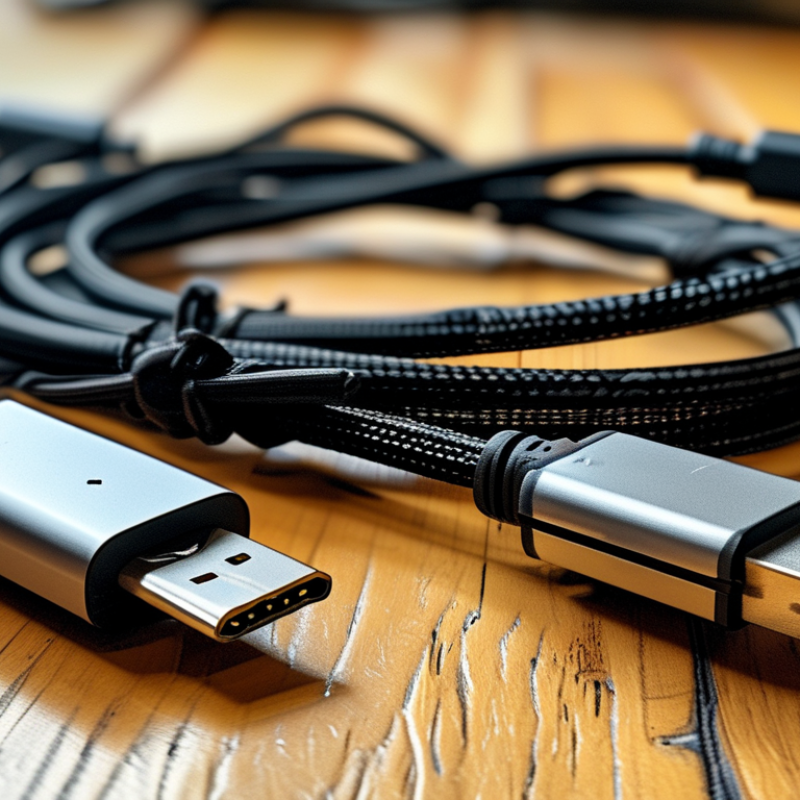
How to Choose the Best Data Transfer Cable for Your Needs?
Choosing the right Data Transfer Cable can be a daunting task. With so many options available, it's easy to feel overwhelmed. This guide will help you navigate the choices.
When selecting a Data Transfer Cable, consider your specific needs. Think about the devices you'll connect and the data speed you require. For instance, USB-C cables support faster transfers than older USB types. Knowing this can save time and frustration.
Many brands claim to offer high-quality products. However, not all cables are created equal. Look for reputable brands and check user reviews. It’s essential to balance quality with cost. A more expensive cable might deliver better performance or durability. Be cautious of budget options that may fail. Reflect on what truly matters to you in a Data Transfer Cable, and make an informed decision.
Understanding Data Transfer Cables: Types and Specifications
Understanding data transfer cables is crucial for effective connectivity. Various types serve different purposes. USB cables remain the most common, often used for connecting peripherals. In 2022, USB cables accounted for over 75% of data transfer cable sales worldwide. These cables vary in specifications, such as USB 2.0, 3.0, and newer versions, each offering distinct transfer speeds. The rapid rise of data transfer demands has driven the need for higher performance.
Another significant type is HDMI, especially in multimedia applications. With an expected market growth rate of around 6.4% from 2021 to 2027, more users are opting for high-definition displays. This cable type supports audio and video transmission, influencing consumer choices. It's vital to consider the cable's bandwidth and resolution support when selecting HDMI cables.
Additionally, some users rely on Ethernet cables for networking. Although often overlooked, Ethernet cables are essential for stable connections. According to industry standards, using a CAT6 cable can provide speeds exceeding 1 Gbps. While Ethernet seems simple, the choice between CAT5, CAT6, and newer versions can be puzzling. Balancing speed, distance, and installation complexity requires careful thought to meet varying needs. Data transfer cables play a significant role in our connected world, and making informed choices can enhance user experience.
Data Transfer Cable Comparison Table
| Cable Type | Maximum Transfer Speed | Length Options | Data Compatibility | Typical Use Case |
| USB 3.0 | 5 Gbps | 1 m, 2 m, 3 m | Universal | External Drives, Printers |
| USB-C | 10 Gbps | 0.5 m, 1 m, 2 m | Universal | Smartphones, Laptops |
| Thunderbolt 3 | 40 Gbps | 0.5 m, 1 m, 2 m | USB-C | High-Performance Workstations |
| HDMI | 18 Gbps | 1 m, 2 m, 3 m | Video & Audio | TVs, Monitors |
| Ethernet | 1 Gbps | 1 m, 5 m, 10 m | Networking | Connecting Routers |
Evaluating Data Transfer Speeds and Bandwidth Requirements
When selecting a data transfer cable, understanding speeds and bandwidth is crucial. High-speed data transfer is essential for seamless file sharing and efficient workflows. According to industry research by the International Data Corporation (IDC), modern applications often require minimum data transfer speeds of around 5 Gbps, particularly for large files like videos and high-resolution images.
Bandwidth is not just about speed; it also affects the overall performance of your connection. For instance, a cable with insufficient bandwidth can lead to latency issues, slowing down transfer rates significantly. The Electronic Industries Alliance (EIA) states that cables supporting at least 10 Gbps are ideal for tasks requiring real-time data synchronization, such as cloud backups or online streaming.
Many consumers overlook that not all cables perform equally. A cable may claim high speed but fail to meet the specified bandwidth during actual use. This discrepancy can lead to frustration and inefficiencies. Investigating user reviews, detailed specifications, and third-party testing results helps ensure you select a reliable cable. Reflecting on these aspects can greatly impact your choice and ultimately enhance your data management experience.
Compatibility Considerations: Devices and Operating Systems
When selecting a data transfer cable, compatibility is key. Different devices and operating systems may use various standards. It’s essential to confirm that the cable you choose supports all the devices you intend to connect. Many cables work with multiple operating systems, but some might not. For example, a cable suitable for Windows might not function well with Mac systems.
Consider the connectors needed for your devices. There are multiple formats like USB-A, USB-C, and Lightning. Each has its own specific applications. A mismatch in connector type can render the cable useless, leading to frustration. Think about your devices and ensure the cable fits them. If you own an array of gadgets, ensure your cable meets their needs.
Always check if any firmware updates are needed. Sometimes, new cables require updates to function optimally. It’s easy to overlook this step, but it can significantly impact transfer speeds and reliability. Remember that not all high-speed cables are created equal. Some may promise speed but fall short when paired with certain operating systems. Pay attention to these details to avoid unexpected issues.
Cable Length vs. Performance: What You Need to Know
When selecting a data transfer cable, cable length plays a critical role in performance. In general, longer cables can cause a drop in signal quality. A report from the International Electrotechnical Commission (IEC) states that for USB 3.0 cables, data loss can occur beyond 5 meters. At this length, users might experience slower transfer speeds.
Many users tend to overlook this aspect. They may believe that any length will suffice for their needs. However, as cable length increases, resistance builds up. This results in diminished performance, especially when transferring large files. According to a study by the Institute of Electrical and Electronics Engineers (IEEE), performance degradation can start at lengths over 3 meters for USB 2.0 cables.
Choosing the right length can be tricky. A shorter cable often ensures better performance, but excessively short cables can limit usability. This leads to potential frustrations, such as devices being too close to each other or not reaching desired locations on a desk. Finding a balance between cable length and performance is essential for an efficient setup.
Budgeting for Data Transfer Cables: Cost vs. Quality Analysis
When choosing data transfer cables, you often face a dilemma: balancing cost and quality. Cheaper cables can save you money upfront. However, they may not last long or deliver optimal performance. A lower price often means compromised materials. This can lead to slow transfer speeds or even connection issues. You might find yourself purchasing multiple low-cost cables over time, which adds up. Reflecting on your needs is essential.
Consider your typical data transfer tasks. If you deal with large files regularly, investing in a higher-quality cable might make sense. High-quality cables enhance performance and ensure reliability. They often handle faster transfer rates without overheating. However, quality comes at a price. There are cables that strike a balance between affordability and durability. Researching materials and user reviews can lead to informed decisions.
Not all expensive cables guarantee better performance either. Some may not be worth the investment. The key is understanding your usage. Can you compromise on quality for cost? Would you regret skimping on a more reliable option? Taking time to assess your data transfer needs may help clarify these questions. Finding the right cable often requires thoughtful consideration of both cost and quality.