How to Choose the Best Computer Controlled Lathe for Your Needs?
Choosing the right Computer Controlled Lathe is crucial for efficiency and precision in manufacturing. According to a report by MarketsandMarkets, the CNC machinery market is expected to reach $107.15 billion by 2026, indicating strong demand and innovation in this sector. The right lathe can enhance productivity and reduce operational costs significantly.
When selecting a Computer Controlled Lathe, consider factors such as technology type, tooling capabilities, and user interface. Advanced models offer features like adaptive control and real-time monitoring. However, the complexity of some systems can be daunting for new users. Understanding your specific needs is essential to avoid costly mistakes.
Additionally, manufacturers must weigh the importance of support and training from suppliers. High-quality lathes often come with extensive technical resources and communities. Still, relying solely on machine specs without considering practical applications can lead to dissatisfaction. Evaluating options comprehensively is vital to making a well-informed choice.
Understanding the Basics of Computer Controlled Lathes
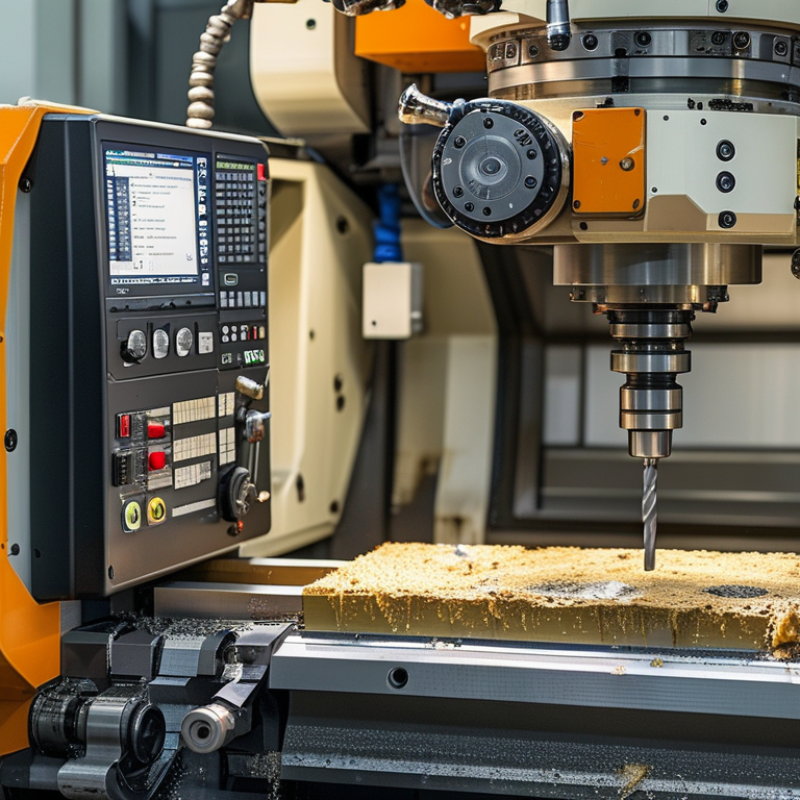
Computer controlled lathes offer precision in manufacturing. Understanding their basics is crucial for making the right choice. These machines automate turning processes using software. They enhance both efficiency and consistency, especially in production settings. However, complexity can be overwhelming for beginners.
When selecting a computer controlled lathe, consider its specifications. Look for spindle speed and torque capacity that match your projects. Different materials require different settings. This adaptability is key. Some models may not handle harder materials well. Researching material compatibility can prevent costly errors.
User experience plays an important role in this journey. Initial setup might be challenging, and frequent software updates can be confusing. Explore user forums for shared insights. Community feedback can shine light on potential issues. It's vital to learn from others’ experiences before purchasing. Balancing features, ease of use, and your specific requirements is a process worth taking seriously.
Comparison of Computer Controlled Lathes
| Feature | Entry-Level Model | Mid-Range Model | High-End Model |
| Price Range | $1,000 - $2,500 | $2,500 - $5,000 | $5,000 - $10,000+ |
| Max RPM | 2000 | 3000 | 6000 |
| Control Type | Basic CNC | Advanced CNC | Full CNC with Touchscreen |
| Tool Capacity | 3 tools | 6 tools | 12 tools |
| Software Compatibility | Basic CAD/CAM | Standard CAD/CAM | Professional CAD/CAM |
| Warranty | 1 year | 2 years | 3 years |
Identifying Your Specific Machining Needs and Requirements
When selecting a computer-controlled lathe, identifying your specific machining needs is crucial. Start by assessing the materials you'll be working with. Different lathes excel with metals, plastics, and composites. According to a recent industry report, over 30% of machinists face challenges due to improper equipment choices.
Consider the size and capacity of the lathe. An adequately sized machine increases efficiency, especially when working on large projects. The American Machinist Association notes that 40% of machining time is wasted due to inadequate machine dimensions. This can lead to frustration and increased costs.
Think about the complexity of tasks you will perform. Some lathes offer advanced features such as live tooling or multi-axis capabilities. Numerous operators have found that these features improve productivity but also come with a learning curve. If you're not ready for that, it might lead to underutilization or operational hiccups. Make sure to weigh these functional advantages against your skill level and production goals.
Evaluating Key Features and Specifications of Lathes
When choosing a computer-controlled lathe, evaluating key features is essential. Look for the size and rigidity of the machine. A sturdy frame minimizes vibrations, ensuring precision. According to a report by the National Institute of Standards and Technology, even minor vibrations can affect the quality of finished products. Dimensions matter too; select a lathe with a swing capacity suitable for your projects.
Check the controlled axis of movement. Most lathes have at least three axes, but some offer more. This can expand your capabilities significantly. A lathe with a high number of programmable axes allows for complex designs. Make sure to assess the speed range as well; higher speeds can accommodate various materials and create smoother finishes.
Tip: Always consider your specific requirements and potential future projects. It might be tempting to choose the most advanced model, but it could exceed your needs. Seek balance between features and usability.
Pay attention to tooling options. Some lathes support a variety of tool bits for different operations. This versatility enhances your efficiency and productivity. However, it may lead to confusion if you select too many tools at once. Clarifying your common tasks can help streamline your choices for better results.
Analyzing energy consumption can also help in selecting the right lathe. A report from the Energy Efficiency Program for Industry states that newer models often consume 30% less energy than older versions. This could mean long-term savings for your operations.
Comparing Different Brands and Models in the Market
When selecting a computer-controlled lathe, it's essential to compare various brands and models in the market. Each manufacturer offers unique features that may suit different projects. Look for lathes with user-friendly interfaces, as this simplifies operation and enhances productivity. Furthermore, pay attention to the quality of materials used in construction. Robust materials enhance durability and performance.
Tips: Consider the type of projects you plan to undertake. If precision is crucial, choose a model known for its accuracy. Research user reviews to gain insights into reliability. A lathe that meets expectations can save time and reduce frustration.
Explore various online forums and discussion groups. Engaging with experienced users can provide valuable perspectives. Don't ignore potential drawbacks. Each model may have limitations or quirks that require adaptation. Assessing these factors ensures you make a more informed decision tailored to your specific needs.
Determining Your Budget and Cost Considerations for Purchase
When contemplating the purchase of a computer-controlled lathe, understanding budget and cost factors is essential. The initial price of these lathes can vary significantly, often ranging from $1,000 to over $100,000. A report by the International Trade Administration states that the CNC machine tools market is projected to reach $114 billion by 2025. This indicates strong market demand, which can affect prices and availability.
Tip: Consider used equipment. Quality second-hand lathes can significantly reduce costs. Always ensure they are certified and inspected.
Hidden costs are another concern. Installation, maintenance, software updates, and tool replacements can add up quickly. According to industry analysts, maintenance costs can account for up to 15% of the initial investment annually. Make sure to budget for ongoing expenses, as overlooking them can impact overall profitability.
Tip: Request detailed quotes. This helps avoid unexpected costs. Transparency from sellers is crucial.
Reflecting on your needs versus wants also plays a pivotal role. Often, buyers overspend on features they may not truly need. Conduct thorough research and evaluate multiple options. A carefully planned approach can lead to informed decisions and potentially save thousands.





