How to Choose the Best Anti Static Flooring Tiles for Your Needs?
When it comes to selecting Anti Static Flooring Tiles, understanding specific needs is crucial. The global anti-static flooring market is projected to reach $1.2 billion by 2026, growing at a CAGR of 6.5%. Such statistics reflect the increasing demand for safety and efficiency in various industries, particularly electronics and cleanroom environments.
Anti Static Flooring Tiles play a vital role in preventing static electricity buildup. This buildup can damage sensitive electronic components and disrupt operations, leading to significant financial losses. Reports show that 30% of electronic failures are due to electrostatic discharge. Thus, choosing the right flooring is not just about aesthetics; it is essential for operational efficiency.
Many businesses overlook factors like material composition and installation methods. Improper installation can lead to performance issues, ultimately compromising the flooring's effectiveness. Therefore, it's essential to consult experts who can provide insights into the right flooring options tailored to specific needs. Balancing cost and functionality can be challenging, yet it is necessary for achieving long-term benefits.
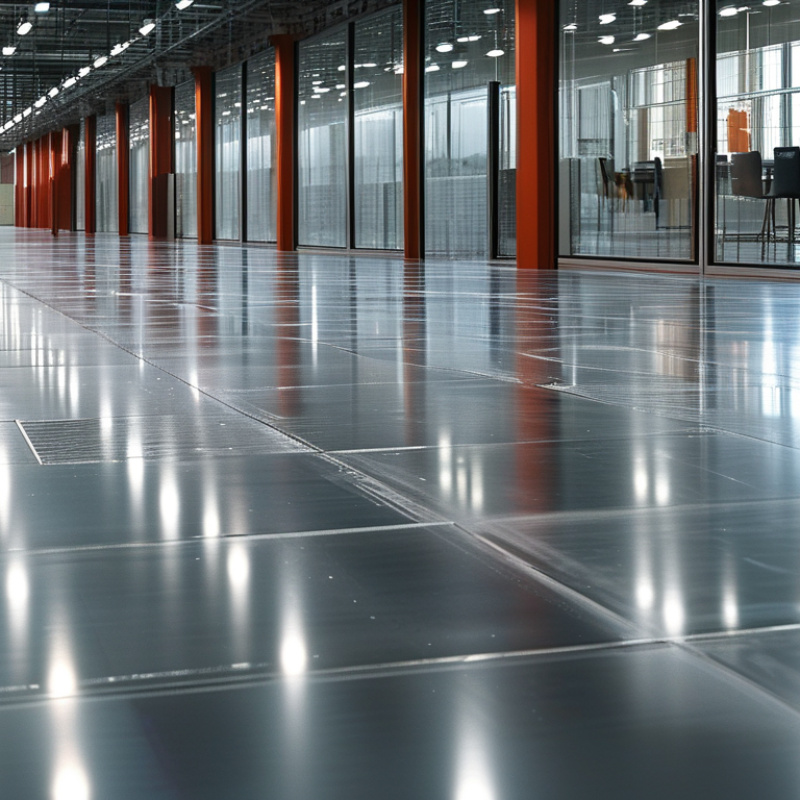
Understanding the Importance of Anti-Static Flooring Tiles
When selecting anti-static flooring tiles, understanding their importance is crucial. Anti-static flooring is designed to reduce static electricity build-up. This is essential in environments like computer labs, manufacturing plants, and hospitals. Static can damage sensitive equipment and pose safety risks. Choosing the right flooring helps mitigate these threats.
Tips: Consider the environment where the tiles will be installed. If you're in a high-traffic area, focus on durability. A wrong choice here can lead to costly repairs. Also, think about aesthetics. The color and design should match your space. A mismatch can affect the overall atmosphere.
Additionally, remember the maintenance aspect. Some tiles require special cleaning products. Using the wrong product could harm the tiles or diminish their effectiveness. Research the care instructions thoroughly. Evaluate your options carefully before making a decision. The right tiles can last for years if chosen properly. It’s best to consult experts if unsure. Their experience can guide you toward the best solution.
How to Choose the Best Anti Static Flooring Tiles for Your Needs?
| Tile Material | Resistance Range (ohms) | Application Area | Installation Method | Maintenance Level |
| Vinyl | 10^6 to 10^9 | Electronics manufacturing | Glue down | Low |
| Rubber | 10^4 to 10^6 | Computer rooms | Interlocking tiles | Medium |
| Epoxy | 10^6 to 10^9 | Industrial settings | Seamless | High |
| Carpet tiles | 10^7 to 10^9 | Office environments | Peel and stick | Low |
| Concrete | 10^6 to 10^8 | Warehouses | Coated | Medium |
Types of Anti-Static Flooring Materials Available on the Market
When selecting anti-static flooring materials, understanding the options available is crucial. Many types exist, each serving specific needs. Vinyl tiles are popular as they are not only durable but also easy to clean. They are versatile and available in various designs, making them suitable for different environments.
Rubber flooring is another anti-static option. It absorbs shock and provides excellent traction. This can be beneficial in high-traffic areas. However, care must be taken regarding the surfaces used beneath. Ensure they are compatible to avoid issues later.
Tips: Consider your workplace environment. High humidity can affect some materials. Test samples before making a final choice. Also, evaluate the maintenance needs of each type. Some require more upkeep than others. Reflect on how frequently the tiles will be used, as this impacts their lifespan significantly.
Factors to Consider When Selecting Anti-Static Flooring Tiles
Choosing the right anti-static flooring tiles requires careful consideration of several key factors. First, it’s essential to understand the level of static control required for your environment. Different settings, such as data centers or manufacturing plants, have unique static-precaution standards. A study by the Institute of Electrical and Electronics Engineers indicates that static electricity can cause losses of up to $1.8 billion annually in the electronics sector. Accurate assessments help you select effective flooring.
Another important consideration is the material composition of the tiles. Vinyl, rubber, and conductive carpet tiles can all provide varying degrees of static dissipation. Research indicates that flooring with a resistance of 10^6 to 10^9 ohms is ideal for controlled environments. Evaluate the surface texture too. Smooth surfaces are easier to clean, while textured options may provide additional traction for safety.
Tips: Assess your specific environment's humidity levels. Higher humidity can enhance the flooring's performance. Check installation requirements as well. Ensure the tiles can be properly grounded to maximize effectiveness. Frequent errors include overlooking maintenance needs, which can alter the flooring’s static-dissipative properties over time. Regular evaluations and adjustments are crucial for maintaining functionality.
Factors to Consider When Selecting Anti-Static Flooring Tiles
Assessing the Durability and Maintenance Needs of Flooring Options
Choosing the right anti-static flooring tiles is more than just aesthetics. Durability and maintenance are key factors to consider. Flooring options vary widely in terms of wear resistance and upkeep. Some materials handle heavy foot traffic better than others. Look for options that can withstand daily use without showing significant wear.
Maintenance needs also differ significantly. While some flooring surfaces require minimal care, others may need regular cleaning with specific solutions. For instance, a textured surface may trap dirt, necessitating more frequent maintenance. Not all tiles are easy to maintain, so inquire about the cleaning process.
Tips: Consider your typical usage. If heavy machinery is common, opt for tougher options. Check warranty details; they often reveal expected lifespan and durability. A well-informed choice will save you time and money in the long run. Be realistic about your cleaning routines; choose tiles that match your lifestyle.
Evaluating Cost-Effectiveness and Budget Constraints for Flooring Choices
When considering anti-static flooring tiles, evaluating cost-effectiveness and budget constraints is crucial. The initial cost is just one part of the equation. A recent industry report highlights that the average installation cost for quality anti-static tiles falls between $2 to $7 per square foot. However, the long-term savings from reduced maintenance and longevity can be significant. Some tiles have a lifespan of over 20 years, making them a worthwhile investment.
It's essential to analyze your specific needs against these costs. For high-traffic areas, tiles with higher durability may save more in the long run. Studies suggest that long-lasting flooring can reduce replacement frequency by up to 40%, offering substantial financial benefits over time. Despite this, it's common to underestimate installation and maintenance costs, leading to unexpected budget concerns.
Moreover, not all anti-static tiles are created equal. Variations in material quality can affect both performance and cost. Cheaper options may require more frequent replacement or costly repairs. A well-researched selection based on industry standards can help avoid pitfalls. Balancing initial investments with potential long-term savings is vital for making informed decisions.





