How to Choose the Best Aluminum Foil Food Containers for Your Needs?
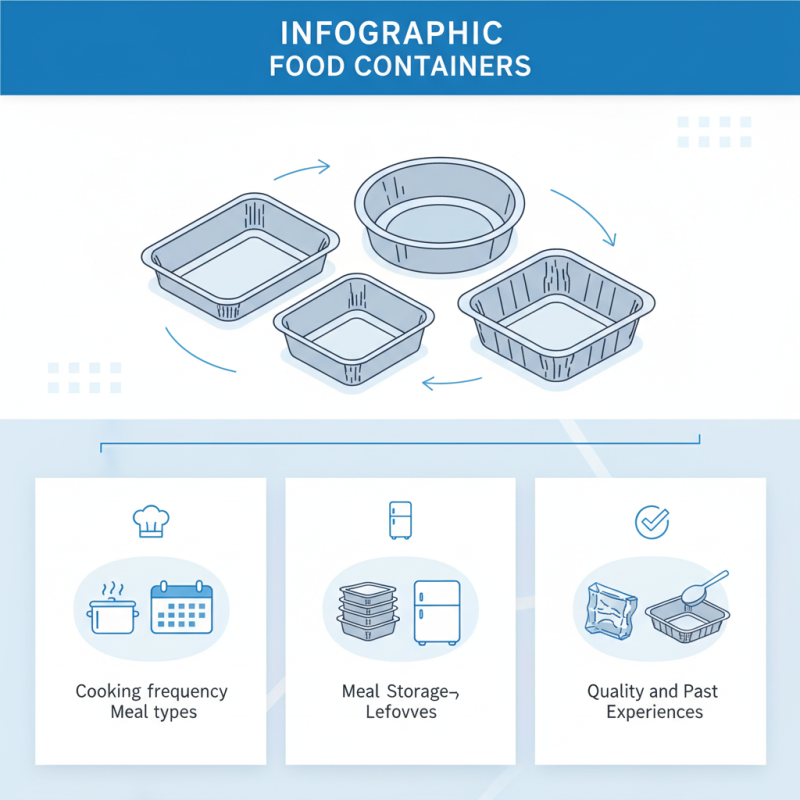
Choosing the right Aluminum Foil Food Containers can significantly impact your cooking and meal storage experiences. With so many options available, it’s essential to understand your specific needs. Consider how often you cook, the types of meals you prepare, and how you plan to store leftovers.
Aluminum Foil Food Containers come in various sizes and shapes. Some are shallow, ideal for baking, while others are deep, perfect for stews. Think about what works best for you. Quality matters too. Not all aluminum containers are created equal. Some may warp or leak, impacting your meals negatively.
Reflect on your past experiences. Have you found containers that didn’t hold up? Were there struggles with food sticking or containers bending? Addressing these factors can guide your choice. Knowing what works will lead to better decisions. Ultimately, the best Aluminum Foil Food Containers should align with your cooking style and storage needs.
Understanding the Different Types of Aluminum Foil Food Containers
When exploring aluminum foil food containers, it’s vital to know their various types. These containers vary in size, shape, and function, catering to different culinary needs. Some are designed for traditional baking, while others serve better in food storage or meal prep. Standard rectangular containers are common for takeout, while round containers are great for salads or pasta dishes.
When selecting a container, consider its thickness and durability. Thicker containers can offer better heat resistance. However, they may be less flexible for stacking. Pay attention to the lid options as well. Some containers come with tightly fitting lids, preserving the freshness of your food. Others may lack a secure fit, so be cautious if you plan to transport meals.
Not every container fits every need. A versatile option for your kitchen may not always be the best choice for outdoor events. Reflect on your usage patterns. Are you reheating meals or freezing leftovers? Adjusting your choices based on how you intend to use these containers can lead to better satisfaction. Remember, understanding these differences can enhance your overall experience.
Comparison of Different Types of Aluminum Foil Food Containers
Evaluating Size and Capacity for Your Specific Storage Needs
When selecting aluminum foil food containers, size and capacity are crucial. Consider the volume of food you typically store. For small meal portions, a container with a capacity of around 16 ounces might suffice. However, for larger gatherings or meal prep, you may need containers that hold 32 ounces or more.
Think about the types of food you will store. Sauces, stews, or casseroles require different containers than salads or snacks. Some may prefer shallow containers for easy stacking, while others might lean towards deeper ones for better preservation. Experimenting with different sizes might reveal gaps in your storage approach.
Be mindful of how you use these containers. If they are too large, you may waste space and resources. If too small, you risk compromising food quality. Reflect on your needs and adjust accordingly. Finding the perfect size combines practicality with a bit of trial and error.
How to Choose the Best Aluminum Foil Food Containers for Your Needs? - Evaluating Size and Capacity for Your Specific Storage Needs
| Container Type | Size (Quart) | Capacity (Cubic Inches) | Best Use |
| Standard Rectangular | 1.0 | 25.6 | Small meals, snacks |
| Deep Dish | 2.5 | 64 | Casseroles, lasagna |
| Round Container | 3.0 | 78.5 | Soups, stews |
| Mini Containers | 0.5 | 12.5 | Sauces, dips |
| Large Rectangular | 5.0 | 128 | Meal prep, bulk cooking |
Comparing Thickness and Durability of Aluminum Foil Options
When selecting aluminum foil food containers, thickness and durability are crucial. A thicker foil often means better resilience. It can hold heavier foods without bending or breaking. On the other hand, thinner options may be more affordable but can be less dependable. Consider what you'll use the containers for. If you're preparing meals for freezing or baking, choose thicker options.
One tip to keep in mind: always check the gauge of the foil. The higher the number, the thinner the foil. A standard heavy-duty foil has a gauge around 0.016 mm. This thickness works great for protecting food from freezer burn. However, if you’re opting for a disposable solution for takeout, lighter foil might suffice. Just keep an eye on how it holds up during transport.
Another consideration is the durability of the container design. Some containers feature reinforced edges, enhancing stability. This design is particularly useful for catering or events. However, be cautious with low-cost options. They often lack structural integrity and can collapse unexpectedly. Reflect on your needs before selecting a specific type, as not all variants will perform equally in every scenario.
Identifying Safety and Health Considerations in Food Storage
When selecting aluminum foil food containers, safety and health considerations are paramount. These containers are widely used for food storage, but not all products are created equal. Look for those that are specifically marked safe for food use. The durability of the material matters. Thin foil may not resist tearing or leaking, compromising food safety.
Be cautious of the potential for chemical reactions. Certain acidic foods can react with aluminum, leading to leaching. It’s important to avoid using foil containers for dishes that contain high levels of acidity. Instead, consider lining these containers with parchment paper. This small step can help protect both the container and your food.
Lastly, always check for proper labeling. Reputable manufacturers will provide details about their products’ safety. While many containers claim to be food-safe, not all meet strict health guidelines. Researching your options and paying attention to the specifications ensures you're making an informed choice for your health and safety.
Analyzing Cost-Effectiveness and Environmental Impact of Choices
When selecting aluminum foil food containers, one important aspect to consider is cost-effectiveness. Aluminum containers are generally affordable, yet their price can vary widely based on thickness, design, and quantity. Thick containers are often more durable and reusable, making them a better value in the long run. However, the initial higher cost might not seem attractive. Sometimes, lower-quality options can lead to spills and waste.
Environmental impact is another crucial factor. Aluminum is recyclable, which reduces its landfill footprint. The energy consumption during production is significant, yet recycling aluminum uses much less energy. This creates a complex picture. Choosing high-quality containers may feel wasteful but can mean fewer resources are used over time.
Tips: Look for containers with recyclable labels. Focus on reusable options if you frequently cook. Assess if your local recycling program accepts aluminum foil. Be aware that not all foil containers are created equal. Some may have coating materials that create additional waste. Always research the options available to you, and reflect on the broader impact of your choices.





