How to Choose the Best Aluminium Coil Sheet for Your Needs?
Choosing the right Aluminium Coil Sheet requires careful consideration of various factors. The global market for aluminium products is projected to reach $189 billion by 2025. This growth underscores the importance of selecting high-quality materials for your specific needs.
Aluminium Coil Sheets are widely used across industries, from automotive to construction. The right thickness, alloy, and finish can significantly impact durability and performance. Data from industry reports indicates that about 60% of manufacturers prioritize weight and corrosion resistance when selecting aluminium sheets. These properties are vital for enhancing product lifespan.
However, not all Aluminium Coil Sheets are created equal. It's essential to analyze your requirements properly. Factors like end-use, environmental conditions, and cost should influence your decision. Reflecting on these aspects can help mitigate potential issues in the long run. Ensuring you make educated choices keeps your projects on track and aligns with best practices.
Understanding Aluminium Coil Sheets and Their Applications
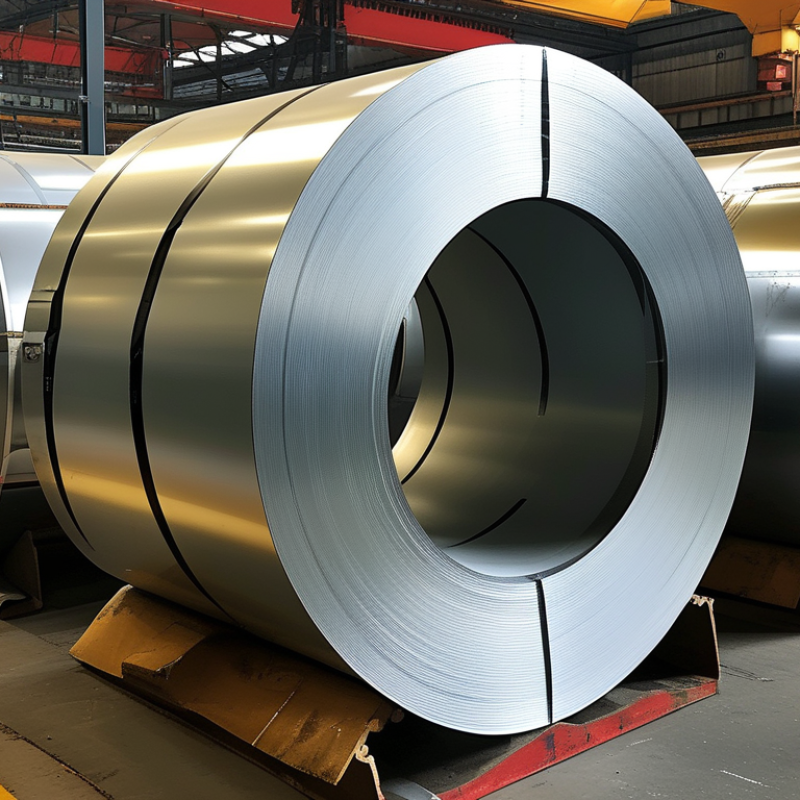
Aluminium coil sheets are versatile materials used in various applications, from construction to automotive manufacturing. Their lightweight nature and corrosion resistance make them ideal for roofing, siding, and even interior designs. Understanding the unique properties of aluminium coil sheets helps you choose the right type for your specific needs.
These sheets come in various thicknesses and finishes. Thinner sheets are often used for insulation or decorative purposes, while thicker ones are better for structural applications. The finish can affect the appearance and durability, influencing its application. For example, a painted finish adds aesthetic appeal but might require more maintenance over time. An uncoated finish, while less visually striking, offers better resistance to the elements.
When selecting aluminium coil sheets, it’s crucial to reflect on not just the technical specifications but also your long-term needs. Are you prioritizing durability or aesthetics? Will the material be exposed to harsh weather? Taking the time to analyze these factors will ensure a more satisfying choice. Ultimately, the best aluminium coil sheet will not only meet your immediate requirements but also stand the test of time.
Aluminium Coil Sheet Thickness Comparison
Key Factors to Consider When Choosing Aluminium Coil Sheets
Choosing the right aluminium coil sheet involves several crucial factors. Firstly, consider the thickness of the sheet. Thicker sheets offer more durability but can be heavier. A thinner sheet is lighter and may be easier to handle but could be less resilient.
When it comes to alloy type, different alloys serve various purposes. Some are more corrosion-resistant, while others provide better strength. Evaluate your project's specific requirements to determine which alloy suits your needs best. Finding the right balance can be tricky.
**Tips:** Always request samples before making a decision. This allows you to test the material and see how it performs in real-world conditions. Also, consult with industry experts to gain insights into which specifications are most relevant for your application.
Lastly, be mindful of the surface finish. This can impact both the appearance and performance of the coil sheet. Various finishes exist that cater to different aesthetic and functional needs. It's important to ensure that the finish aligns with the intended use and environment. Remember, the best choice combines all these aspects cohesively.
Types of Aluminium Coil Sheets Available on the Market
When selecting aluminium coil sheets, understanding the various types available is crucial. The most common types include anodized, painted, and mill finish sheets. Anodized aluminium features a protective oxide layer, enhancing its resistance to corrosion. This type is often used in architectural applications due to its durability. Painted aluminium, on the other hand, comes with a color finish that provides both aesthetic appeal and added protection against environmental elements.
Mill finish aluminium sheets have a natural appearance and are commonly used for projects where corrosion resistance is not a priority. These sheets are often less expensive and suitable for applications like temporary structures or packaging. It’s important to evaluate the environment where the coil will be used. For example, coastal areas require more protective products due to salty air exposure.
Some less common types exist, such as embossed and composite aluminium sheets. Embossed sheets feature raised patterns, providing both slip resistance and visual interest. Composite sheets, made of two layers of aluminium with a non-aluminium core, offer lightweight advantages. However, these options may sometimes complicate recycling processes. Understanding these characteristics helps you choose the right material for your specific needs.
Evaluating Quality and Specifications of Aluminium Coil Sheets
When selecting an aluminium coil sheet, assessing quality and specifications is essential. Start with the thickness. It varies significantly based on application. A sheet that is too thick may be unnecessary and heavy. Conversely, a very thin sheet might lack durability. Consider your specific requirements, such as strength, flexibility, and weight.
Surface finish matters greatly. Whether you need a smooth surface for aesthetics or a textured one for better grip, the choice can impact functionality. Additionally, check the alloy composition. Different alloys exhibit unique properties that can enhance performance. Not all aluminium is created equal.
Be mindful of certifications and standards. Reliable suppliers often provide documentation to back their products. This can give you confidence in your choice. However, not all certifications guarantee quality. Sometimes, materials may pass tests yet fail in real-world use. It’s crucial to weigh these factors carefully. Making informed decisions leads to better outcomes in your projects.
Cost Considerations and Budgeting for Your Aluminium Coil Sheet Purchase
When budgeting for aluminium coil sheets, start with a clear understanding of your needs. Consider the dimensions and thickness you require. Prices can vary significantly based on these factors. A commonly used thickness is 0.5mm to 3mm, depending on the application. Size also affects cost. Larger sheets may have higher upfront costs but can save money in the long run through reduced waste in cuts.
Do not forget to factor in shipping and handling fees, which can add substantially to overall pricing. Seek quotes from multiple suppliers to compare rates. Some suppliers offer discounts for bulk orders. Be cautious, though, as lowest prices can sometimes indicate lower quality. Evaluate the reputation of the supplier. It’s essential to choose a company known for reliability and product consistency.
Reflect on the long-term benefits of your purchase. Investing in high-quality aluminium can lead to fewer repairs and better performance over time. Sometimes, it’s tempting to go the cheapest route, but this can lead to costly mistakes. Think about warranty options as well, which provide insights into the manufacturer’s confidence in their product. Balancing cost and quality is crucial for making an informed decision.





