How to Choose the Best Air Compressor Parts for Your Needs?
Choosing the best Air Compressor Parts can significantly impact your equipment's performance and lifespan. Understanding your specific needs is vital. Every task requires different capabilities, and the right components enhance efficiency. It can feel overwhelming due to the variety of parts available.
Selecting premium quality air compressor parts is crucial. Not all parts are created equal; some may not meet your needs or standards. Reliability matters. You want components that can handle your workload without frequent failures. Researching reputable brands can help you make informed choices.
Consider consulting experts or user reviews to gain insights. Community feedback often highlights which parts perform best under different conditions. Remember, not every popular part is the right fit for your system. Take time to evaluate your requirements and the available options. Your choice will directly affect your operations. Reflect on whether you're prioritizing cost over quality, as this could lead to regrets later.
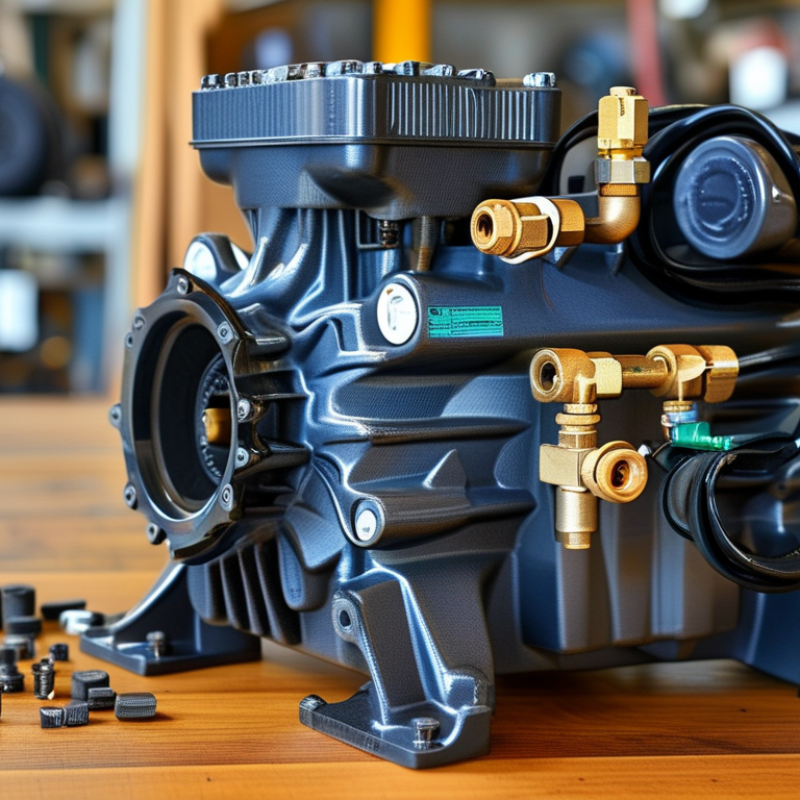
Understanding the Different Types of Air Compressors Available
When choosing air compressor parts, understanding the different types of air compressors is crucial. Each type has specific uses and characteristics. For example, reciprocating compressors are common for home use. They are affordable and effective for small tasks. Rotary screw compressors are ideal for continuous operation. They are more efficient but come at a higher cost.
Tips: Assess your needs before choosing. Identify the tasks you will perform. This ensures you select the right type. Don't overlook maintenance requirements. Some compressors need more attention than others. It's essential to plan for long-term care.
Consider the size of the compressor. A larger model might seem attractive, but it could be impractical for small spaces. Noise levels are another factor to weigh. Some compressors run quietly, while others are quite loud. Evaluate your environment and pick accordingly. It is easy to overlook these details, but they greatly affect your experience.
Identifying Your Specific Air Compressor Requirements
When selecting air compressor parts, it's crucial to identify your specific needs. Different applications require varying levels of power and efficiency. For instance, a small workshop might need a portable unit, while a larger facility may require a stationary compressor with greater capacity. Understanding your workload can significantly influence your choice.
Air requirements are another key factor. Assess whether you need a continuous supply or a burst of pressure for quick tasks. Consider the tools you will power. Nail guns demand low pressure, while sanders may require significantly more. This distinct need influences the type of compressor parts you will require, such as pressure regulators or specific fittings.
Sometimes, even experienced users overlook minor details, such as connection types. It’s easy to assume compatibility, but mismatched connections can lead to inefficiencies. Taking the time to evaluate your exact requirements will save you from costly mistakes later. Reflecting on your experiences can help refine your selection process and ensure you choose wisely.
Key Factors to Consider When Selecting Parts
When choosing air compressor parts, several key factors must be considered to ensure optimal performance. The type of air compressor you have can significantly influence the parts you need. Each model has unique dimensions and specifications. Always refer to your compressor's manual. It provides valuable guidance on compatible parts. This can save time and prevent costly mistakes.
Quality is another important aspect. Not all parts are created equal. Lower-priced options may seem attractive but might not offer the same durability or efficiency. Investing in high-quality components often pays off in the long run. Look for parts made from reliable materials. They should stand up to the demands of regular use and offer good warranties.
Finally, consider the supplier's reputation. Buying from a trusted source can enhance the reliability of your parts. Research customer reviews and experiences. This homework can help ensure you choose reputable suppliers. In the end, remember your specific needs and usage patterns. Reflect on what works best and what areas might need improvement.
Evaluating Quality and Compatibility of Components
When selecting air compressor parts, quality and compatibility are crucial. High-quality components can greatly impact the performance and lifespan of your air compressor. Materials used should resist wear, corrosion, and heat. Assume a part fails due to cheap materials; this could lead to costly repairs or even dangerous situations.
Compatibility is another significant factor. Each air compressor has specific requirements for its parts. Mismatched components can result in inefficiencies or damage. Research specifications and compare them carefully. Consider whether the parts will fit seamlessly with your existing setup. This can be more challenging than it seems.
Don’t overlook the importance of checking user reviews and expert opinions. Reliable sources can provide insights into a part's performance in real-world applications. But be cautious; reviews can sometimes be biased. It's essential to analyze multiple perspectives to gauge a component's reliability fully. Reflect on your unique needs and application, as they will guide your choices.
How to Choose the Best Air Compressor Parts for Your Needs?
This bar chart illustrates the evaluation ratings of different components when selecting air compressor parts. The categories assessed include Pump Quality, Tank Material, Compressor Type, Power Rating, Portability, and Noise Level. Each component has been rated on a scale from 1 to 10, offering a visual representation to help in understanding the importance of each feature in relation to overall performance.
Maintenance Tips for Prolonging Air Compressor Lifespan
Maintaining your air compressor is crucial for its longevity. Regular maintenance can prevent costly repairs later. Every user should check the oil level frequently. This is important for the compressor's lubrication. Low oil can increase wear and tear. You should also replace the oil according to the manufacturer’s recommendations. This simple task helps keep the compressor running smoothly.
Another area to focus on is the air filter. A clean air filter is essential for preventing dirt and debris from entering the system. If the filter is clogged, it can reduce efficiency and lead to overheating. Consider inspecting the filter every month, especially in dusty environments. If you notice a drop in performance, it may be time for a replacement.
Finally, don’t forget about the belts and hoses. These parts can wear over time and affect the compressor’s function. Regularly check for cracks or frays and replace them if necessary. Ignoring these details can lead to unexpected breakdowns. Keeping a log of maintenance can also help identify patterns. This will inform better practices in the future.
How to Choose the Best Air Compressor Parts for Your Needs? - Maintenance Tips for Prolonging Air Compressor Lifespan
| Part | Function | Maintenance Tips | Lifespan |
| Air Filter | Cleans the air entering the compressor | Replace every 3-6 months | 1-2 years |
| Oil Filter | Removes contaminants from the oil | Change every 100-200 hours of use | 1-3 years |
| Belt | Transfers power between motor and pump | Inspect regularly for wear and tear | 2-5 years |
| Drain Valve | Removes moisture from the tank | Drain daily if used frequently | Indefinite, if properly maintained |
| Pressure Switch | Controls pressure levels in the tank | Check functionality during routine maintenance | 3-7 years |





