Top 5 Tips for Choosing Automotive Radar PCB 77GHz mmWave PCB?
When selecting an Automotive Radar PCB (77GHz / mmWave PCB), making the right choice is crucial. These PCBs play a significant role in modern vehicles' safety and functionality. With advancements in automotive technology, the demand for reliable radar systems has surged.
Choosing the right Automotive Radar PCB can be overwhelming. There are many factors to consider. Each detail matters, from frequency capabilities to the PCB's design and manufacturing quality. A well-constructed PCB ensures optimal performance and durability. If you overlook these elements, you might face issues later.
In this complex landscape, it’s essential to rely on expert insights. Understanding specifications, compatibility, and thermal management is vital. Components must work seamlessly together. Never underestimate the importance of thorough research. This process will help save you time and resources. Remember, making informed decisions enhances the overall reliability of your automotive radar systems.
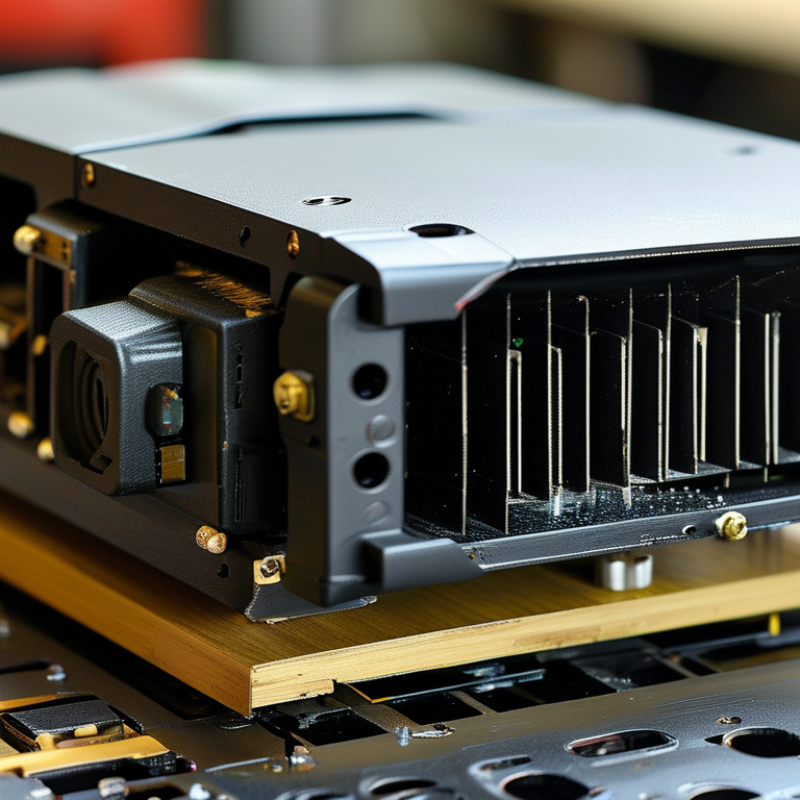
Understanding the Importance of 77GHz mmWave PCB in Automotive Radar
Automotive radar systems are rapidly evolving, and the role of 77GHz mmWave PCBs is crucial. These boards enable precise detection of objects, enhancing safety features in vehicles. With precise signal processing, these PCBs help in differentiating between pedestrians, vehicles, and obstacles. This accuracy is essential in preventing accidents, showcasing the importance of selecting the right materials and designs.
When it comes to automotive radar, the choice of PCB can make a significant difference. Thermal management is critical because mmWave devices generate heat. If not managed well, performance can degrade. Additionally, the choice of dielectric materials impacts the PCB's performance at high frequencies. Using materials designed for 77GHz ensures minimal signal loss and enhances overall functionality.
However, sourcing a PCB for automotive radar has its challenges. Manufacturers must consider environmental factors like humidity and vibration. Not all PCBs will perform well under these conditions. Rigorous testing is necessary to ensure reliability and longevity. Choosing a PCB isn't just about functionality; it’s about ensuring safety in real-world applications.
Key Specifications to Consider When Choosing Automotive Radar PCB
When selecting an automotive radar PCB for 77GHz mmWave applications, key specifications are crucial. The choice of materials significantly impacts performance. For instance, using low-loss substrates can enhance signal integrity. A study by the IEEE highlights that a dielectric constant variation can disrupt signal consistency.
Thermal management is another consideration. Automotive radars often face extreme temperatures. Effective heat dissipation prevents failures. Research indicates that PCBs designed with thermal vias improve heat distribution by up to 30%. Selecting components that can endure these conditions is essential for reliability.
Integration ease affects design efficiency. A compact PCB design can save space without sacrificing performance. Complex integrations may invite challenges. Frost & Sullivan reported that over 40% of automotive radar system failures are linked to poor PCB design. Balancing size, performance, and reliability requires careful planning and expertise in PCB manufacturing techniques.
Material Selection for Optimal Performance in 77GHz mmWave PCBs
Choosing the right materials for 77GHz mmWave PCBs is crucial for optimal performance. At these frequencies, electromagnetic properties play a significant role. A study from the International Journal of RF and Microwave Computer-Aided Engineering highlights that PCB materials with low dielectric loss are essential. This is due to the need for high signal integrity and reduced latency during transmission.
FR-4 is a common choice, but it may not suffice for high-frequency applications. Alternatives like Rogers or Taconic materials exhibit lower loss and better thermal stability. According to a report by IPC, using high-performance substrates can improve the overall efficiency of radar systems by 15-20%. However, selecting these materials requires careful consideration of cost versus performance trade-offs.
Thermal management is another critical aspect. At 77GHz, the PCB can generate significant heat, impacting performance. Materials with higher thermal conductivity help dissipate heat effectively. A 2022 industry report indicates that inadequate thermal management can lead to failures or reduced reliability. Using the wrong material can compromise the entire system, leading to costly redesigns. This reality requires a thorough evaluation of material properties tailored for specific radar applications.
Design Considerations for Effective Automotive Radar PCB Functionality
When designing automotive radar PCBs for 77GHz mmWave applications, several critical factors impact functionality. The PCB material plays a vital role. High-frequency applications demand low-loss substrates. The choice of material directly influences signal integrity and performance. Reports indicate that using materials with a dielectric constant below 3.5 significantly reduces signal degradation.
Thermal management is equally essential. Automotive radars operate in diverse environments. These devices can heat up quickly, which may deteriorate PCB performance. Implementing proper thermal dissipation strategies is crucial to maintain optimal performance. According to industry research, incorporating thermal vias can enhance heat distribution, aiding stability during operation.
Design layout considerations cannot be overlooked. Component placement affects electromagnetic interference (EMI). A well-thought-out arrangement limits noise and improves overall stability. Studies show that a careful distance of at least 5 mm between sensitive components can minimize crosstalk risks. This aspect should always be part of the design review process to avoid common pitfalls in radar system functionality.
Cost vs. Quality: Finding the Right Balance for Automotive Radar PCB
When it comes to automotive radar PCB design at 77GHz, balancing cost and quality is crucial. A lower price may seem appealing, but it can lead to unexpected challenges. Quality components ensure reliability and longevity, which are vital in safety-critical applications. Investing in high-quality materials can reduce the likelihood of malfunction, ultimately saving costs in the long run.
However, the market is saturated with options that claim to offer both affordability and performance. It can be tempting to compromise on quality to reduce expenses. This often results in increased failure rates and expensive recalls. Striking the right balance requires a thorough evaluation of specifications and performance metrics. Research and consultation with industry experts can guide you in making informed decisions.
Emphasizing quality doesn't mean overspending blindly. Understanding the manufacturing processes and tolerances is essential. A well-crafted PCB will enhance signal integrity and reduce noise, which is paramount in radar applications. Regularly revisit your choices, be ready to adjust, and learn from past decisions. Adopting a reflective approach can lead to better outcomes in your automotive radar projects.





