


How to Choose a Perry Hyperbaric Chamber in 2026?

Choosing a Perry Hyperbaric Chamber in 2026 requires more than comparing prices, photos, or advertised pressure ratings. The right decision depends on intended use, room dimensions, operator training, service access, and verified safety documentation. A chamber may look impressive online yet create daily problems beside a treatment bed, narrow doorway, or busy clinic corridor.

Start with evidence. Confirm the model’s specifications directly with the manufacturer or an authorized supplier. Review chamber dimensions, operating pressure, materials, control systems, emergency procedures, cleaning requirements, and maintenance intervals. Ask who provides installation and technical support in your region. Check whether the supplier offers documented training, replacement parts, inspection records, and clear warranty terms. Small details matter. A noisy compressor can affect communication. A complicated control panel can increase operator error. A poorly planned access route can delay installation.

Clinical suitability also deserves careful attention. Consult qualified healthcare professionals before using any hyperbaric equipment, especially for patients with existing medical conditions. Do not treat marketing language as medical evidence. Ask for independent documentation, regulatory information, and real service references where available. Customer testimonials can help, but they are not proof of performance. I would also record unanswered questions before signing a purchase agreement. That step is easy to skip.

A sensible choice balances safety, usability, lifecycle cost, and professional oversight. The cheapest chamber may become expensive after repairs, training gaps, or delayed support. Conversely, the most advanced model may exceed your practical needs. Compare verified facts, observe a demonstration when possible, and allow qualified experts to challenge your assumptions. The goal is not simply owning a Perry Hyperbaric Chamber. It is building a controlled, maintainable, and responsible treatment environment.
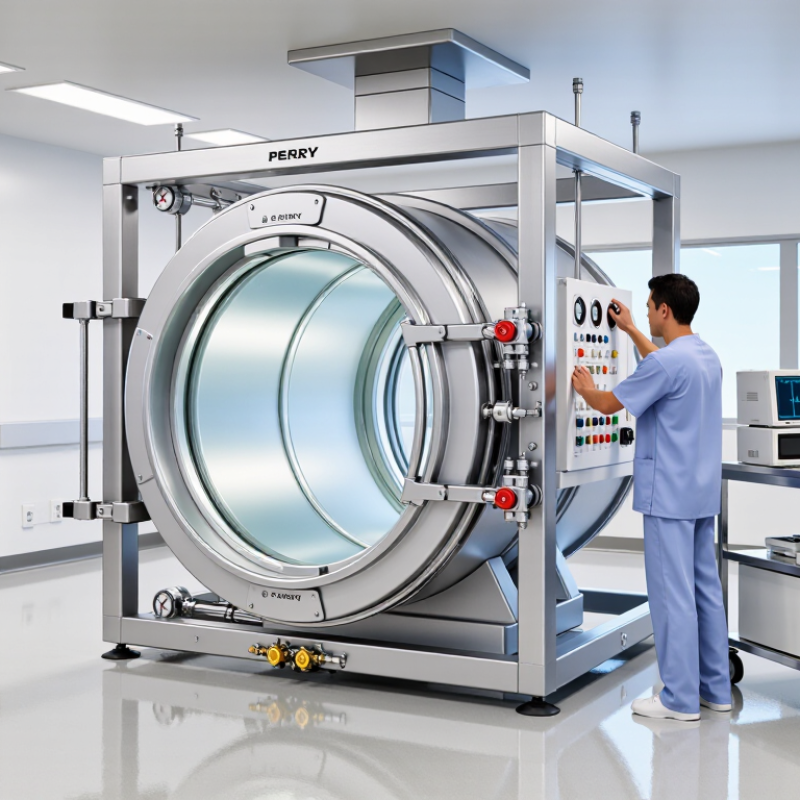
How to Choose a Perry Hyperbaric Chamber in 2026?

Perry Hyperbaric Chambers: Purpose, Design, and Main Applications

How to Choose a Hyperbaric Chamber in 2026?

A hyperbaric chamber creates a controlled environment with increased atmospheric pressure. It may support oxygen-based treatment under qualified medical supervision. Its purpose depends on the treatment plan, pressure range, oxygen delivery method, and approved clinical use. A chamber is not automatically suitable because it looks advanced. Pressure control matters.

Design affects daily safety and comfort. Check the chamber’s size, visibility, ventilation, emergency release, and monitoring systems. A wider door can help users with limited mobility. Clear windows may reduce anxiety during longer sessions. Ask whether the controls are simple enough for trained staff to operate quickly. Noise, heat, and humidity can become tiring. I once underestimated these details, and that was a mistake.

Main applications may include selected wound-care programs, hospital-based oxygen therapy, and carefully managed decompression treatment. Each use requires a different protocol and risk assessment. Buyers should review clinical documentation, maintenance records, operator training, and local regulatory approval. Independent verification is more reliable than sales language. In 2026, connected monitoring may improve records, but software should not replace human judgment. A lower price can hide service delays, limited parts, or weak training support. The best choice is the chamber that matches the intended application, facility conditions, patient needs, and qualified medical oversight.

How to Choose a Hyperbaric Chamber in 2026? — Hyperbaric Chambers: Purpose, Design, and Main Applications

Hyperbaric Chamber Selection Guide: Purpose, Design, Operating Parameters, and Applications
Evaluation Dimension Typical Specification or Range Primary Purpose Important Design Considerations Selection Guidance
Clinical hyperbaric pressure Usually about 1.5–3.0 ATA for medical treatment protocols Increases the partial pressure of oxygen in plasma and tissues under controlled conditions Accurate pressure control, calibrated gauges, pressure-relief systems, and documented treatment protocols are essential Choose a system whose operating range matches the intended clinical indication and local medical requirements
Monoplace chamber Designed for one patient at a time; commonly uses an oxygen-rich chamber environment Individualized treatment in a compact clinical setting Requires appropriate fire-safety controls, communication equipment, patient monitoring, and emergency access procedures Suitable where space, staffing, and patient throughput favor a single-occupant design
Multiplace chamber Accommodates two or more patients; the chamber is typically pressurized with air while oxygen is delivered by mask or hood Supports higher patient capacity and allows staff or medical equipment inside when required Needs greater floor area, ventilation capacity, trained attendants, oxygen delivery systems, and robust emergency procedures Consider it for hospitals or centers requiring multiple simultaneous treatments or in-chamber clinical support
Mild-pressure chamber Often operated at pressures at or below approximately 1.3 ATA May be used in non-hospital wellness or specialty settings, depending on local laws and intended use Must not be assumed to provide the same oxygen exposure or clinical effect as hospital-based HBOT Verify the actual pressure, oxygen concentration, regulatory status, and evidence for every advertised use
Oxygen delivery method Mask, hood, or chamber atmosphere, depending on the chamber configuration Delivers the prescribed oxygen concentration during the treatment phase Look for flow control, alarms, exhalation management, oxygen monitoring, and compatibility with prescribed protocols Select the delivery system according to treatment protocol, patient tolerance, and clinical supervision requirements
Treatment cycle Common sessions last approximately 60–120 minutes, excluding compression and decompression Provides controlled periods of pressure and oxygen exposure Programmable compression, treatment, air-break, and decompression phases improve consistency and safety Confirm that the chamber can implement the protocol prescribed by a qualified hyperbaric clinician
Evidence-supported applications Examples include decompression sickness, air or gas embolism, carbon monoxide poisoning, selected problem wounds, radiation tissue injury, compromised grafts or flaps, and certain severe infections Used as an adjunct to standard medical or surgical treatment for specific indications Effectiveness depends on diagnosis, timing, protocol, patient condition, and concurrent care Base the purchase decision on documented clinical indications rather than broad promotional claims
Patient monitoring Communication system plus clinically appropriate monitoring, which may include vital signs and oxygen-related measurements Detects patient distress, treatment intolerance, or equipment problems promptly Monitoring equipment must be rated for the chamber environment and integrated with emergency procedures Prioritize clear two-way communication, visibility, alarms, and rapid patient access
Fire and oxygen safety Strict control of ignition sources, combustible materials, static electricity, and oxygen enrichment Reduces the risk of fire in a pressurized, oxygen-enriched environment Requires compliant materials, grounding, cleaning procedures, fire detection, staff training, and documented inspections Treat safety certification, preventive maintenance, and staff competency as non-negotiable criteria
Installation requirements Depends on chamber size, operating pressure, ventilation, power supply, gas systems, and local building rules Ensures reliable operation and safe access for patients and staff Assess ceiling height, door clearance, patient transfer space, noise, HVAC capacity, and emergency egress Conduct a site survey before ordering and obtain all required inspections or approvals
Regulatory and maintenance factors Requirements vary by country and may include medical-device authorization, pressure-vessel compliance, inspections, and service records Maintains legal, operational, and patient-safety compliance Evaluate documentation, spare-parts availability, calibration intervals, cleaning procedures, warranty, and technical support Confirm compliance with applicable local regulations and recognized hyperbaric safety standards before purchase

Note: Hyperbaric oxygen therapy should be prescribed and supervised by appropriately qualified medical professionals. Treatment indications, chamber specifications, and regulatory requirements vary by jurisdiction.


Key Specifications to Compare Before Choosing a Perry Chamber

Choosing a hyperbaric chamber in 2026 requires more than comparing appearance or advertised pressure. Start with the chamber’s operating range, internal dimensions, materials, and pressure-control accuracy. A higher pressure is not automatically better.

Check whether the pressure gauge is easy to read and independently verified. Digital monitoring should show pressure, temperature, oxygen levels, and session time clearly. Alarm systems must be audible and simple to reset. Look for transparent panels, reliable communication, emergency release features, and fire-resistant materials. Small details matter.

Ask for documented testing, maintenance records, and staff training requirements. Independent certification can support confidence, but it should match the chamber’s intended use and local regulations. Review the cleaning process, ventilation design, warranty terms, and replacement costs for seals or valves. Service access matters. A technically advanced unit is less useful when repairs take weeks.

Clinical evidence also deserves careful attention. Confirm whether the chamber’s proposed applications are supported by qualified medical professionals and reputable research. Do not choose based on testimonials alone. Consult an appropriately licensed clinician before treatment, especially when respiratory, ear, or cardiovascular conditions exist. I would also inspect the chamber in person, if possible. Photos often hide awkward controls, narrow access, or uncomfortable seating. Safety documentation should be specific, current, and easy to verify.

How to Choose a Hyperbaric Chamber in 2026?

Key operating-pressure specifications to compare before choosing a chamber

Operating pressure is measured in atmospheres absolute (ATA). Mild chambers commonly operate around 1.3–1.5 ATA, while medical hyperbaric systems are commonly designed for approximately 2.0–3.0 ATA. Multiplace systems may support higher pressures, often up to about 6.0 ATA, depending on their intended clinical use and regulatory approval. Always verify the chamber’s certified maximum working pressure, oxygen-delivery method, safety features, and local medical-device requirements before purchase.

Assessing Safety Features, Certification, and Operating Requirements

How to Choose a Hyperbaric Chamber in 2026?

Safety begins with the pressure vessel, not the sales brochure. Look for documentation showing design compliance with ASME PVHO-1, where applicable. This standard addresses vessels intended for human occupancy under pressure. Electrical systems should also align with NFPA 99:2024 requirements for healthcare environments. Ask for material certificates, pressure-test records, oxygen-cleaning procedures, and a clear maintenance schedule. Missing paperwork is a warning sign.

Certification alone is not enough. The U.S. Food and Drug Administration’s MAUDE database shows why post-market vigilance matters: device reports may reveal hazards that pre-market testing cannot predict. Check complaint history, recall notices, software updates, and service response times. A chamber should include visible pressure controls, emergency venting, fire-resistant materials, communication equipment, and reliable monitoring. Small details matter. A loose cable can become a serious distraction.

Operating requirements deserve equal attention. The Undersea and Hyperbaric Medical Society’s 2023 guidance supports trained clinical oversight, documented indications, and controlled treatment protocols. Staff should understand oxygen handling, patient screening, emergency decompression, and evacuation procedures. The World Health Organization reports that about one in ten patients experiences harm in healthcare, with more than half considered preventable. That figure is not chamber-specific, but it demands humility. I would not rely on a certificate alone. Facility training, cleaning discipline, inspection records, and real emergency drills may matter more than polished specifications.

Matching Chamber Configuration to Users, Space, and Treatment Goals

How to Choose a Hyperbaric Chamber in 2026?

Matching chamber configuration to users, space, and treatment goals requires more than comparing pressure ratings. Start with the people using it. A single adult may need a compact chamber, while a clinic serving children, older patients, or mobility-limited users needs wider access and easier transfer support. Consider visibility, communication, emergency release, and interior comfort. Small details matter.

Measure the room twice. Include door clearance, ventilation space, power requirements, and the operator’s working area. A chamber that fits on paper may block a wheelchair path or restrict maintenance access.

Noise can also affect treatment tolerance. Check cleaning surfaces, mattress materials, monitoring ports, and service intervals. Ask for documented testing and staff training, not only sales claims.

Treatment goals should guide the configuration. A licensed clinician should confirm whether hyperbaric therapy is appropriate, define pressure and session limits, and review contraindications. Do not assume a higher pressure creates better results. It may increase risk without adding clinical value. Real-world assessments often reveal a gap between brochure specifications and daily usability. That gap deserves attention. The ideal choice may be less powerful, but safer and easier to operate consistently. Reassess the plan when users, room conditions, or clinical needs change.

Evaluating Installation, Maintenance, Training, and Long-Term Costs

How to Choose a Perry Hyperbaric Chamber in 2026?

A chamber should be evaluated as a facility project, not a purchase. A 2024 Grand View Research report estimated the global hyperbaric oxygen therapy market at over USD 3 billion. That growth increases equipment choices, but it does not reduce installation risks.

Request a site survey covering floor loading, door clearance, electrical capacity, ventilation, oxygen storage, and emergency access. A delivery quote may exclude structural work. That omission can be expensive.

Maintenance needs written evidence. Ask for service intervals, pressure-vessel inspections, software updates, spare-part availability, and response times. NFPA 99 and ASME PVHO-1 provide useful safety references for healthcare facilities and pressure vessels.

UHMS safety guidance also emphasizes trained operators, documented procedures, and emergency readiness. Keep service logs beside the control console. Small details matter.

Training is a long-term cost. Budget for operator instruction, emergency drills, cleaning procedures, and refresher sessions after staff turnover. Compare five-year ownership costs, including electricity, oxygen, inspections, insurance, consumables, downtime, and room modifications.

A lower purchase price may hide higher maintenance costs. It happens.

I would also ask for three real customer references, not only testimonials. Forecasts are imperfect, and my own estimate may change when local labor, utilities, or compliance requirements are confirmed.

Powder Coat Booths

For those larger-sized parts, or smaller quantity runs, we have 2 independent powder coat booths and ovens. The quality, durability and affordability of today’s powder coating finishes make this the process of choice for world-class companies.

Powder coating advantages over other forms of coating are many. Materials used in the Powder coating process can be metals and non-metals that come in a multitude of thicknesses, textures, colors, etc. Another of Powder coating’s biggest advantages over conventional coatings is its ability to create finishes in many different textures. Powder Coating Booths allow us the ability to apply these advantages to large products.

Wet Paint Line

Tri-State Fabricators runs a full-service conveyor line for painting. Wet painting can provide protection or decoration to many different part styles. From start to finish, every project is easier to undergo random and point-based inspection by our skilled painting team.

Advantages to our Wet Paint Line are these lines start with product prep and ends with a thorough inspection of a high quality finished product. Our ability to complete large and small projects with a superior finish and doing so in a timely and economical fashion. This passes along the savings in production to our customers. When powder coating ins not an option, our Wet Paint Line gets the job done right the first time.

Wet Paint Booths

When the parts get big and heavy we roll-out our custom paint racks and oversize booth. By utilizing our partnerships with all the major paint brands, we can match virtually any color with wet paint.

The advantages of having access to a Wet Paint Booth are many. Large projects of many different shapes can be loaded into the booth. The Wet Paint Booth offers an environment that is much more controlled than a typical parts painting operation.

Not only are they used because of their controlled environment, but they’re are also advantageous when it comes to applying paint to parts that are needed in industries that require specialty coatings such as medical, aerospace, etc.

Military CARC

Our military forces have some very high standards when it comes to the finish of their vehicles and equipment. From the first pre-treatment step to final coat, it takes a great deal of knowledge and experience to protect the men and women of our armed forces. They deserve only the best, and Tri-State Fabricators provides it.

All of our processes are closely monitored by our staff and management teams. Both of which are highly trained in the processes of metal fabrication and finishing. Tri-State Fabricators’ goal is to always fully satisfy each and every customer, including the military. We will always put a 110% into what we do.

Glass-Bead Blasting

Abrasive media blasting is an excellent way to remove old paint, rust, and increase the paint/powder adhesion. Glass beads produce a much smoother and brighter finish than angular abrasives; leaving the part clean yet without any dimensional change. Chemically inert and environmentally friendly, we can recycle our beads approximately 30 times; making them a more preferred method of metal cleaning or surface finishing.

Advantages to Glass Bead Blasting are many. Glass bead blast media is used when a project is needing rough surfaces need to become smooth for applications of coatings such as paint. It is typically used to clean paint and rust from a product surface without deforming the surface it is being used on. Overall, compared to many other blasting media, Glass Bead Blasting is a very economical choice and those savings are always passed on to our customers.

Part Washing

Tri-State Fabricators utilize a zinc phosphate wash to clean and etch the material to ensure the best paint adhesion possible. The unique design of our 3-stage wash system does the work like a 5-stage. From Cleaning and rinsing to conversion coating and post-treatment, Our Part Washing process is a complete service and works throughout the fabrication service and the finishing service.

Along with the previously mentioned benefits, Curing is a vital chemical reaction that leaves the product finish hard and relatively safe from mild abrasion and aggressive corrosion. This process can be done in more than one way; ambient air-dry or in curing ovens at temps that exceed 240°.

Burn-Off Oven

From fixing paint mistakes (someone else’s of course) to simply cleaning our paint line hooks, our burn-off oven is put to good use. After a quick burn-off, a little clean up, and a fresh coat of paint, your parts will look better than new.

Why does our Burn-Off Oven work so well? Because super heating the air around parts turns the materials into ashes. From paint and powder coatings to rubber and machining oils, high temps do the job without degrading the integrity of the part.

Masking

Masking is a vital part of producing high quality products. We have die-cut masking patterns to protect machined surfaces as well as a wide range of plugs and caps to protect threaded holes and bolts. We provide permanent and temporary masking.

Masking allows the selected sections of a product to be protected from a fabrication or finishing service. This can be with both chemicals when etching and tapes, paints when only finishing just a section of the product. Masking is great in aiding the customization process of a project.

Screen Printing

Screen printing is a photographic process that transfers artwork onto a porous nylon screen which allows colored ink to flow through the screen and be deposited on an aluminum or plastic component. We can generally have just about any design created onto a screen for your parts.

Some of the advantages of Screen Printing are, brand recognition for your business displaying on your products, assembly instructions, product warnings/hazards, etc. Tri-State Fabricators produces Screen Printing of the highest quality so you know it’s durable.

Metal Finishing

Metal Finishing is the art of treating the exterior portion of product, often metal but can also be made of other materials, so that the surface is clean and free of any debris. Then the process of applying coats or either paint of powder coat takes place. This coating process improves the quality of the product in both appearance and resistance to wear and corrosion.

Tri-State Fabricators, Inc., understands that a project typically isn’t complete until a high-quality finish has been added to your product. This is why our painting and powder coating teams continuously inspect the products throughout the Metal Finishing process.
