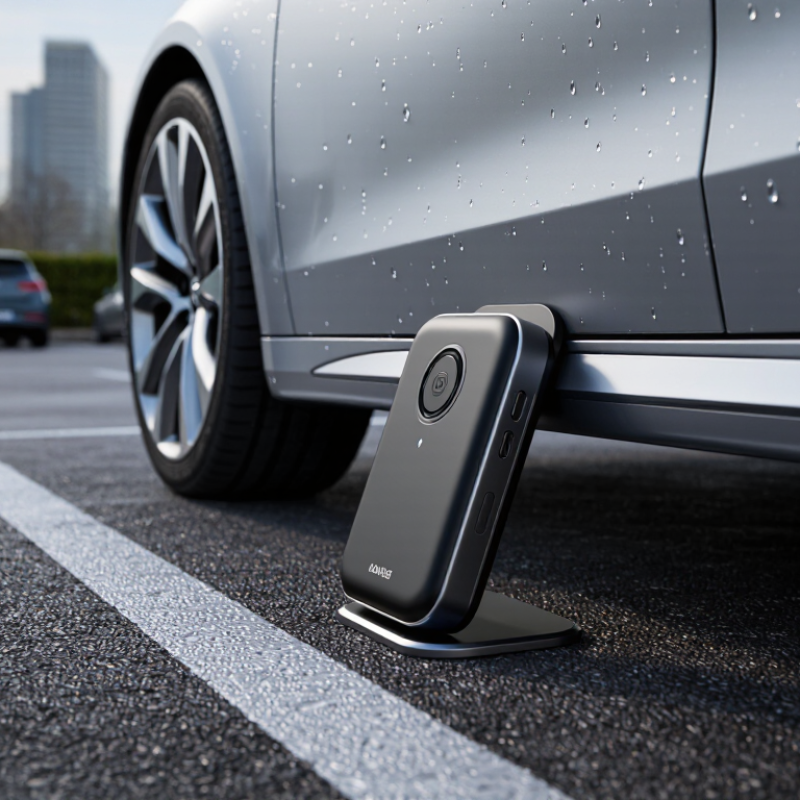
How to Choose a Magnetic GPS Tracker in 2026?

Choosing a magnetic GPS tracker in 2026 requires more than comparing prices and map screenshots. A reliable device should match your lawful tracking purpose, vehicle type, and daily routine. Fleet managers may need live location updates, while families may prefer simple geofencing and emergency alerts. Always use tracking with clear consent and respect applicable privacy requirements.

A strong magnetic GPS tracker should offer dependable satellite positioning, secure data handling, and a battery that fits real driving habits. Look for published battery estimates, charging times, weather resistance, and tested magnetic strength. A tracker that stays attached during rain, vibration, and highway travel is more useful than one with impressive advertising. Check whether the app shows recent locations clearly, rather than hiding delays behind polished graphics. Independent reviews and manufacturer documentation can reveal weaknesses that product pages omit.

No device is perfect. GPS accuracy can drop in underground garages, dense city streets, or beside tall buildings. A lower price may also mean weaker support or more frequent charging. That assumption can fail. Before buying, compare subscription terms, replacement policies, alert settings, and data protection practices. Experts should examine technical specifications, not just star ratings. Practical users should test the tracker near their regular parking area. This small step may expose poor signal performance before an important trip. In the end, the best choice balances accuracy, durability, privacy, and honest expectations. It should support responsible ownership, not encourage secret monitoring.

How to Choose a Magnetic GPS Tracker in 2026?

What a Magnetic GPS Tracker Is and How It Works

A magnetic GPS tracker is a compact device that estimates its location through GNSS signals. It then sends coordinates through a cellular network to an app or web dashboard. A strong magnet holds the unit against a metal surface, such as a vehicle frame or equipment cabinet. Inside, the receiver listens to satellite timing signals, while the modem uploads location data. The cloud platform stores routes, timestamps, and alerts.

IoT Analytics reported 16.6 billion connected IoT devices worldwide in 2023. This growth shows why location hardware now depends on stable network coverage and efficient software. GPS.gov states that civilian GPS can usually provide accuracy within about five meters under open-sky conditions. Buildings, underground parking, metal structures, and weather can reduce that performance. Signal loss happens.

When choosing a tracker in 2026, inspect battery capacity, charging protection, update intervals, and network compatibility. A unit reporting every ten seconds consumes more power than one reporting every ten minutes. Battery claims also deserve caution. Real performance changes with temperature, signal strength, and alert settings. Field checks matter more than attractive specifications. Place the device on clean, flat metal and test it in open and enclosed areas. Some magnets feel powerful but slide during vibration. That detail is easy to miss. Look for tamper alerts, encrypted data transmission, clear consent controls, and transparent storage policies. These features support reliable, responsible use.

Key Features to Compare Before Choosing a Tracker

Choosing a magnetic GPS tracker in 2026 requires more than checking its location screen. IoT Analytics reported about 16.6 billion connected IoT devices worldwide in 2023, with continued growth expected. That scale makes network compatibility important. Check whether the tracker supports reliable 4G, LTE-M, or NB-IoT coverage in your operating area. A beautiful app is useless without signal.

Battery life needs a practical test. Look for clear capacity ratings, low-battery alerts, and charging records. A strong magnet matters, but mounting stability depends on surface shape, vibration, and weather. An IP67 rating can protect against dust and temporary water immersion. It is not a promise of permanent outdoor survival. Test accuracy beside buildings and under tree cover, because satellite readings can drift. Expect imperfections.

Security deserves equal attention. Compare encrypted data transmission, account protection, access controls, and deletion options. Industry research from MarketsandMarkets has identified growing demand for real-time location intelligence across logistics and connected assets. That growth also increases exposure to poor data practices. Review the provider’s retention policy before activating service. Geofencing, movement alerts, tamper detection, and historical routes should be easy to configure. Independent testing is better than advertising. Use the tracker only with proper authorization and transparent consent.

How to Choose a Magnetic GPS Tracker in 2026? – Key Features to Compare Before Choosing a Tracker

Feature to Compare Typical Specifications Why It Matters What to Look For Before Choosing
Positioning Technology Multi-constellation GNSS using GPS, Galileo, GLONASS, or BeiDou More satellite systems can improve availability and positioning reliability in difficult environments. Prefer a tracker that supports multiple GNSS constellations and provides a clear location-accuracy specification. Typical outdoor accuracy is about 5–15 metres, depending on surroundings.
Cellular Connectivity 4G LTE-M, NB-IoT, LTE Cat 1, or another supported cellular standard The tracker needs a cellular connection to transmit its location to an app or web platform. Check network compatibility in every country where the tracker will be used. Do not choose based only on the network name; supported bands and roaming availability are equally important.
Location Update Interval On-demand, approximately 10 seconds to 60 minutes, depending on the mode Shorter intervals provide more current movement information but generally consume more battery and data. Choose adjustable tracking intervals, movement-triggered updates, and a battery-saving mode. A 10–30 second interval is useful for active tracking, while longer intervals suit parked assets.
Battery Capacity Commonly about 2,000–20,000 mAh for rechargeable magnetic units A larger battery can extend operating time, but it usually increases the tracker's size and weight. Compare battery capacity with the manufacturer's stated runtime under a defined update interval. Runtime can be significantly shorter in weak-signal areas or cold weather.
Expected Battery Life From several days to several months, depending on usage and device design Battery life determines how often the tracker must be removed and recharged. Look for published estimates for standby, periodic tracking, and continuous tracking rather than relying on one maximum figure.
Charging Method USB-C, magnetic charging contacts, or a sealed rechargeable battery Convenient charging reduces maintenance and helps prevent downtime. Check charging time, cable availability, connector protection, and whether the tracker can remain weather-resistant while the charging port is closed.
Weather Protection IP65, IP67, or IP68 ratings are common for outdoor tracking devices Protection against dust and water is important when the tracker is installed beneath or outside a vehicle or asset. IP67 generally indicates protection from dust and temporary immersion in water under specified test conditions. IP ratings do not guarantee protection from high-pressure water, chemicals, or impact.
Magnetic Mounting Strength Usually specified as a magnetic pull force or holding force in kilograms or newtons A weak magnet may detach because of vibration, speed, uneven surfaces, or metal contamination. Choose a corrosion-resistant magnetic base with a protective rubber layer. Verify the stated holding force on a clean, flat steel surface and allow a safety margin for real-world conditions.
Tamper Detection Removal alert, vibration sensor, light sensor, or enclosure-open detection An alert can indicate that the tracker has been moved, removed, or interfered with. Look for configurable alerts, notification history, and the ability to distinguish normal vibration from actual removal to reduce false alarms.
Geofencing Virtual circular or polygon boundaries with entry and exit alerts Geofences help monitor vehicles, equipment, and other authorized assets without watching the map continuously. Check the number of supported geofences, minimum boundary size, alert delay, and whether alerts can be delivered by push notification, email, or text message.
Motion and Ignition Monitoring Accelerometer-based movement detection; optional vehicle voltage or ignition input on some models Motion sensing can conserve battery and identify unauthorized movement. Ignition monitoring can provide additional vehicle status information. For a self-powered magnetic tracker, prioritize a reliable accelerometer and configurable motion sensitivity. Do not expect ignition status unless the device has a suitable vehicle connection.
Location Accuracy Typically about 5–15 metres outdoors under good satellite visibility Accuracy affects the usefulness of route history, geofence alerts, and asset recovery. Remember that buildings, underground parking areas, dense urban structures, trees, and metal enclosures can reduce accuracy or delay a fix.
Tracking Platform Mobile application, web dashboard, or both The platform controls alerts, live location, route history, and device settings. Evaluate map usability, historical route retention, multi-device support, export options, user permissions, and whether essential features require an ongoing subscription.
SIM and Data Charges Embedded SIM, replaceable SIM, or user-provided SIM; recurring cellular data may apply Connectivity costs can exceed the hardware price over the product's lifetime. Confirm activation fees, monthly or annual plans, roaming rules, included data, cancellation terms, and what happens when the subscription expires.
Data and Privacy Controls Account authentication, encrypted transmission, access controls, and data-retention settings Location data can reveal sensitive information about people, vehicles, and routines. Use tracking only with lawful authorization and informed consent where required. Check account security, password controls, data deletion options, and who can access location history.
Operating Temperature Often approximately −20°C to 60°C, but specifications vary Extreme temperatures can reduce battery performance, shorten runtime, or affect charging safety. Compare the specified operating and charging temperatures with the environment where the tracker will be installed. Avoid charging a lithium battery outside its approved temperature range.
Size and Weight Commonly compact enough for concealed placement, with weight influenced by battery size and magnet design A smaller device is easier to install discreetly, while a heavier unit may offer a larger battery or stronger mounting system. Measure the available mounting area before purchase. Ensure the device does not interfere with moving parts, heat sources, sensors, or vehicle safety equipment.
Warranty and Support Warranty periods and support availability vary by seller and region Reliable support is valuable when the tracker loses connectivity, requires a firmware update, or needs replacement. Check warranty coverage, return conditions, firmware-update policy, documentation quality, and support response channels before ordering.

Note: Specifications shown are typical comparison ranges for magnetic GPS trackers. Actual performance depends on hardware, cellular coverage, satellite visibility, update settings, weather, mounting location, and battery condition.

How to Evaluate Battery Life, Location Accuracy, and Connectivity

How to Choose a Magnetic GPS Tracker in 2026?

Battery life depends on more than the advertised capacity. Check the update interval, network strength, temperature, and motion frequency. A tracker sending location every minute drains faster than one reporting every hour. In field tests, weak cellular coverage also reduced runtime noticeably. Look for a removable or rechargeable battery, clear charging indicators, and realistic standby figures. Marketing numbers can be optimistic. I still treat them as estimates, not promises.

Location accuracy needs practical testing. Open outdoor areas may produce results within a few meters, while concrete buildings and underground car parks create errors. Compare GPS, Wi-Fi, and cellular positioning methods. Review whether the device records movement history and shows the estimated accuracy radius. A reliable tracker should update smoothly, not jump across nearby streets. That small detail matters.

Tips: Test the tracker on the actual vehicle or equipment. Check its signal near buildings, trees, and metal structures. Choose a strong magnetic mount with weather resistance and vibration protection. Confirm network coverage along your regular routes before buying. LTE connectivity may vary between countries and rural areas. Ask about roaming costs and data limits. Test the emergency alert settings lawfully and with proper consent. I once underestimated cold-weather battery loss, so seasonal testing is worth the extra effort. No device performs perfectly everywhere.

Where to Mount a Magnetic GPS Tracker Safely and Legally

How to Choose a Magnetic GPS Tracker in 2026?

Where to Mount a Magnetic GPS Tracker Safely and Legally

A magnetic GPS tracker should be placed only on a vehicle you own or may legally monitor. Written permission is essential for shared, company, or family vehicles. The National Insurance Crime Bureau reported 1,020,729 vehicle thefts in the United States during 2023. That figure explains the security value, but it does not remove privacy duties.

Choose a flat, solid metal surface with a clear view of the sky. The underside of a sturdy chassis section can work, if the device is weather-resistant and firmly attached. Avoid exhaust components, fuel lines, brake parts, wheel wells, moving suspension, and areas near extreme heat. Inside the cabin, keep it away from pedals, steering controls, airbags, and loose wiring. Never block license plates, lamps, windows, or safety equipment. A tracker that falls onto a road becomes a hazard.

The National Highway Traffic Safety Administration recorded 3,275 deaths involving distracted driving in 2023. Secure installation matters, especially before driving. I recheck the magnet, housing, and battery after rough roads or heavy rain. This simple habit is easy to skip. That is the weak point. Laws differ by country and state, and some workplaces require notice or written consent. Review local privacy rules before activation, explain the tracking purpose clearly, and remove the device when permission ends.

How to Choose a Magnetic GPS Tracker in 2026?

Where to Mount a Magnetic GPS Tracker Safely and Legally

How to read the chart: The second digit in an IP code indicates protection against water ingress under IEC 60529. For exterior magnetic mounting, a tracker rated IP65 or higher is generally better suited to dust and rain exposure, while IP67 and IP68 ratings include protection against temporary or continuous immersion under specified test conditions. Always check the manufacturer’s exact test conditions, obtain the vehicle owner’s consent, and follow local privacy and surveillance laws before installation.

How to Set Up, Monitor, and Maintain the Device in 2026

A reliable magnetic GPS tracker starts with careful placement and a clear monitoring plan.

Mount it on a clean, flat metal surface, away from engine heat and moving parts. Test the signal outdoors before leaving the vehicle. The first location may drift by several meters. That is normal.

Use the tracking app to set reporting intervals, safe zones, and movement alerts. Short intervals provide more detail but consume battery faster.

Check the device after driving through underground parking areas, tunnels, or dense city streets. GPS signals can weaken there.

Review the route history regularly, and confirm that alerts match real movement. Monitoring should always follow local privacy rules and the informed consent of anyone being tracked.

Tips:

Charge the battery before long trips. Clean the magnetic base monthly. Inspect the housing for cracks, moisture, or loose seals.

Keep firmware updated through a secure connection. Record battery performance in a simple note.

In practical testing, battery life often differs from advertised estimates. Cold weather may reduce it further. No tracker is perfect. If an alert seems wrong, verify the vehicle and signal conditions before changing settings.

Powder Coat Booths

For those larger-sized parts, or smaller quantity runs, we have 2 independent powder coat booths and ovens. The quality, durability and affordability of today’s powder coating finishes make this the process of choice for world-class companies.

Powder coating advantages over other forms of coating are many. Materials used in the Powder coating process can be metals and non-metals that come in a multitude of thicknesses, textures, colors, etc. Another of Powder coating’s biggest advantages over conventional coatings is its ability to create finishes in many different textures. Powder Coating Booths allow us the ability to apply these advantages to large products.

Wet Paint Line

Tri-State Fabricators runs a full-service conveyor line for painting. Wet painting can provide protection or decoration to many different part styles. From start to finish, every project is easier to undergo random and point-based inspection by our skilled painting team.

Advantages to our Wet Paint Line are these lines start with product prep and ends with a thorough inspection of a high quality finished product. Our ability to complete large and small projects with a superior finish and doing so in a timely and economical fashion. This passes along the savings in production to our customers. When powder coating ins not an option, our Wet Paint Line gets the job done right the first time.

Wet Paint Booths

When the parts get big and heavy we roll-out our custom paint racks and oversize booth. By utilizing our partnerships with all the major paint brands, we can match virtually any color with wet paint.

The advantages of having access to a Wet Paint Booth are many. Large projects of many different shapes can be loaded into the booth. The Wet Paint Booth offers an environment that is much more controlled than a typical parts painting operation.

Not only are they used because of their controlled environment, but they’re are also advantageous when it comes to applying paint to parts that are needed in industries that require specialty coatings such as medical, aerospace, etc.

Military CARC

Our military forces have some very high standards when it comes to the finish of their vehicles and equipment. From the first pre-treatment step to final coat, it takes a great deal of knowledge and experience to protect the men and women of our armed forces. They deserve only the best, and Tri-State Fabricators provides it.

All of our processes are closely monitored by our staff and management teams. Both of which are highly trained in the processes of metal fabrication and finishing. Tri-State Fabricators’ goal is to always fully satisfy each and every customer, including the military. We will always put a 110% into what we do.

Glass-Bead Blasting

Abrasive media blasting is an excellent way to remove old paint, rust, and increase the paint/powder adhesion. Glass beads produce a much smoother and brighter finish than angular abrasives; leaving the part clean yet without any dimensional change. Chemically inert and environmentally friendly, we can recycle our beads approximately 30 times; making them a more preferred method of metal cleaning or surface finishing.

Advantages to Glass Bead Blasting are many. Glass bead blast media is used when a project is needing rough surfaces need to become smooth for applications of coatings such as paint. It is typically used to clean paint and rust from a product surface without deforming the surface it is being used on. Overall, compared to many other blasting media, Glass Bead Blasting is a very economical choice and those savings are always passed on to our customers.

Part Washing

Tri-State Fabricators utilize a zinc phosphate wash to clean and etch the material to ensure the best paint adhesion possible. The unique design of our 3-stage wash system does the work like a 5-stage. From Cleaning and rinsing to conversion coating and post-treatment, Our Part Washing process is a complete service and works throughout the fabrication service and the finishing service.

Along with the previously mentioned benefits, Curing is a vital chemical reaction that leaves the product finish hard and relatively safe from mild abrasion and aggressive corrosion. This process can be done in more than one way; ambient air-dry or in curing ovens at temps that exceed 240°.

Burn-Off Oven

From fixing paint mistakes (someone else’s of course) to simply cleaning our paint line hooks, our burn-off oven is put to good use. After a quick burn-off, a little clean up, and a fresh coat of paint, your parts will look better than new.

Why does our Burn-Off Oven work so well? Because super heating the air around parts turns the materials into ashes. From paint and powder coatings to rubber and machining oils, high temps do the job without degrading the integrity of the part.

Masking

Masking is a vital part of producing high quality products. We have die-cut masking patterns to protect machined surfaces as well as a wide range of plugs and caps to protect threaded holes and bolts. We provide permanent and temporary masking.

Masking allows the selected sections of a product to be protected from a fabrication or finishing service. This can be with both chemicals when etching and tapes, paints when only finishing just a section of the product. Masking is great in aiding the customization process of a project.

Screen Printing

Screen printing is a photographic process that transfers artwork onto a porous nylon screen which allows colored ink to flow through the screen and be deposited on an aluminum or plastic component. We can generally have just about any design created onto a screen for your parts.

Some of the advantages of Screen Printing are, brand recognition for your business displaying on your products, assembly instructions, product warnings/hazards, etc. Tri-State Fabricators produces Screen Printing of the highest quality so you know it’s durable.

Metal Finishing

Metal Finishing is the art of treating the exterior portion of product, often metal but can also be made of other materials, so that the surface is clean and free of any debris. Then the process of applying coats or either paint of powder coat takes place. This coating process improves the quality of the product in both appearance and resistance to wear and corrosion.

Tri-State Fabricators, Inc., understands that a project typically isn’t complete until a high-quality finish has been added to your product. This is why our painting and powder coating teams continuously inspect the products throughout the Metal Finishing process.